



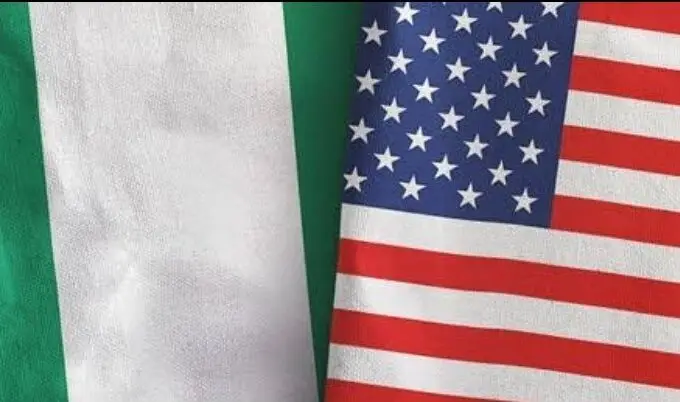
Nigeria has made headlines worldwide by announcing that it will accept the Chinese yuan and euros alongside the U.S. dollar for oil exports. The move, hailed by analysts as a bold step toward financial sovereignty, has sparked intense debate over the future of the global petrodollar system.
According to political scientist Prof. John Mearsheimer of the University of Chicago, a leading authority on power politics and international relations, the reaction from the United States—including veiled threats of military action from former President Donald Trump—reveals a deeper anxiety: the weakening of dollar dominance as a tool of American global influence.
“Threatening war over a currency choice exposes the vulnerabilities of an empire that has long relied on the dollar as its secret weapon,” Mearsheimer noted.
The Dollar and the Petrodollar System
For decades, the U.S. dollar has been the default currency for international oil transactions, giving Washington immense leverage over global trade. Countries outside this system faced political and economic pressures if they attempted to trade oil in alternative currencies.

Nigeria’s decision to accept the yuan and euros challenges this status quo, signaling a potential shift toward multipolar financial arrangements. Analysts argue that such moves by Africa’s largest economy could inspire other nations to consider alternatives to the dollar, further accelerating the global de-dollarisation trend.
Regional and Global Implications
-
African Sovereignty: Nigeria’s choice represents a strong assertion of economic independence and could encourage greater fiscal autonomy across the continent.
-
BRICS and Emerging Powers: As China, Russia, and other BRICS nations expand influence, dollar alternatives are gaining traction in global trade and energy markets.
-
U.S. Influence: Attempts to weaponize financial systems or threaten military action underscore a declining ability to enforce unilateral economic dominance.
-
Global Multipolarity: The world may be witnessing a gradual shift from a unipolar system dominated by the U.S. to a multipolar order where several major economies exert influence independently.
Why Nigeria Chose This Path
Analysts highlight that Nigeria’s decision is rooted in both dignity and pragmatism. By diversifying currencies for oil trade, Nigeria aims to:
-
Reduce dependence on the dollar, insulating the economy from exchange rate volatility.
-
Strengthen ties with trading partners in Europe and Asia.
-
Signal a commitment to sovereign financial policy aligned with long-term national interests.
Mearsheimer warns that the reaction from Washington—threats of retaliation or military intimidation—may ultimately weaken the perception of U.S. power, as reliance on coercion underscores the limits of the empire’s influence.
A New Era for Global Finance
The Nigerian move is emblematic of a broader trend toward multipolar finance, including:
-
Increasing use of the yuan in international trade.
-
Expansion of BRICS-led financial institutions.
-
Emerging markets exploring alternatives to U.S.-dominated financial systems.
“This is not just about oil payments; it’s about reclaiming sovereignty in global economics,” Mearsheimer emphasized.
Conclusion
Nigeria’s bold currency strategy marks a potential turning point in Africa’s economic autonomy and the global balance of power. As the dollar’s dominance faces growing challenges, nations like Nigeria are redefining what financial independence means in the 21st century.










Leave a comment