


Ogun State continues to consolidate its reputation as Nigeria’s “Gateway State,” with March 10 marking a pivotal moment in the state’s institutional and socio-economic evolution. This development comes as Governor Dapo Abiodun’s administration navigates the fiftieth year since the state’s creation amid global economic pressures and heightened demands for transparency, efficiency, and public accountability.
Today’s analysis synthesizes the key developments shaping the state’s trajectory, spanning fiscal, legislative, and infrastructural domains.
+++
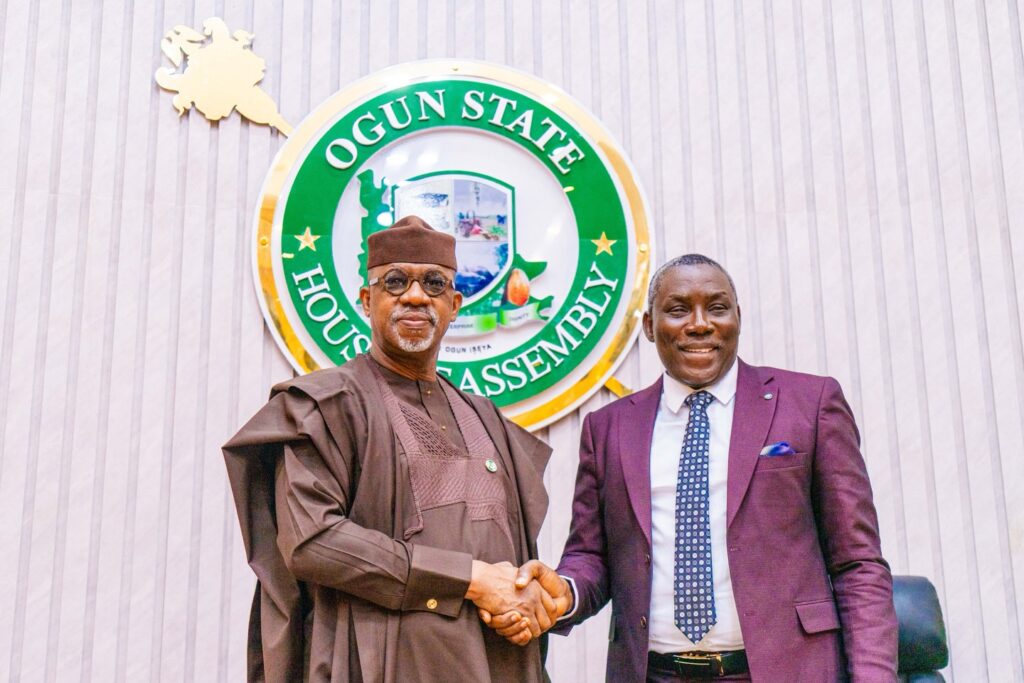
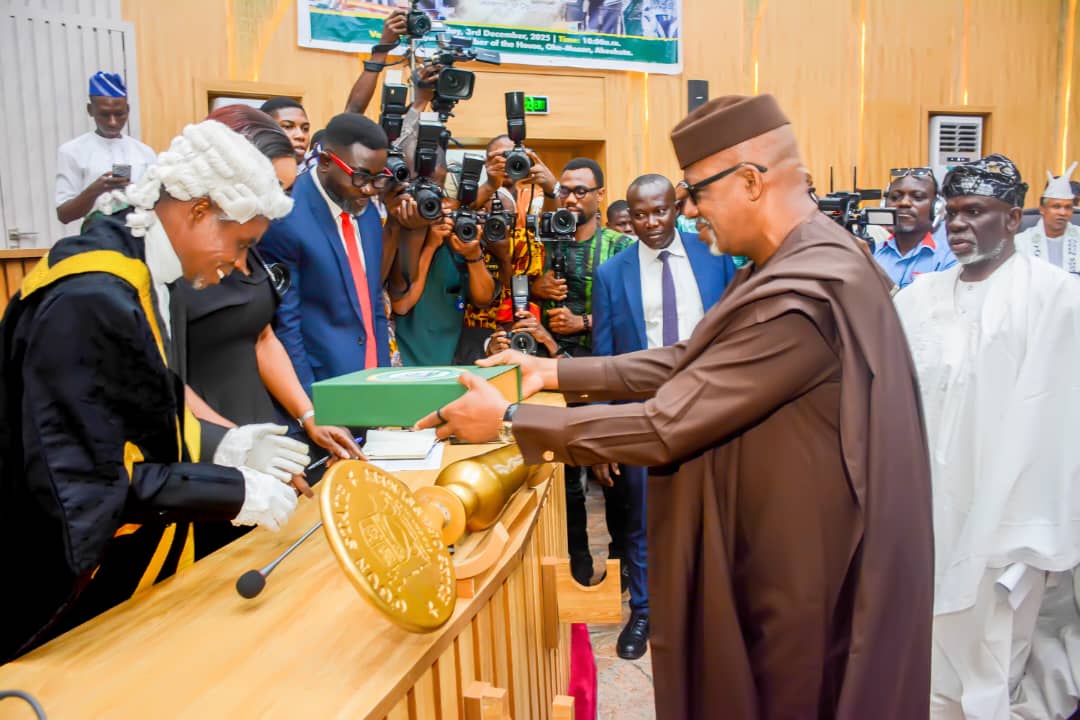
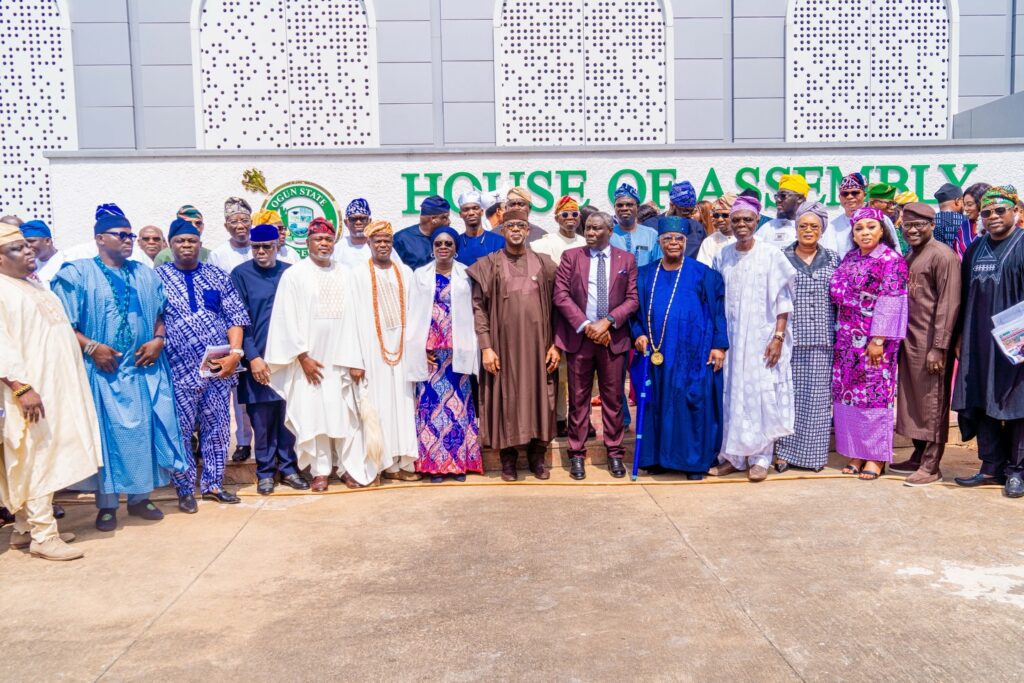
The Ogun State House of Assembly formally passed the Year 2026 Appropriation Bill, totaling N1.669 trillion, exactly 26 days after the executive’s presentation. Presided over by Speaker Oludaisi Elemide at the Assembly Complex, Oke-Mosan, Abeokuta, the plenary session saw the adoption of the House Committee on Finance and Appropriation’s report, presented by Chairman Hon. Musefiu Lamidi.
The budget, branded the “Budget of Sustainable Legacy,” underpins the administration’s ISEYA development agenda, prioritizing Infrastructure, Social Welfare, Education, Youth Empowerment, and Agriculture.
In a demonstration of fiscal discipline and legislative oversight, the Assembly revised targets for three MDAs, resulting in an upward adjustment of Internally Generated Revenue (IGR) by N2.193 billion, offset by reductions in capital receipts to maintain the total ceiling at the approved N1.669 trillion.
The 2026 budget emphasizes capital-intensive projects, with more than 62% of expenditure allocated to long-term initiatives aimed at sustaining industrial competitiveness:
| Expenditure Category | Allocation (Naira) | Functional Focus Area |
|---|---|---|
| Capital Expenditure | 1,044,000,000,000 | Infrastructure, hospital upgrades, airport completion |
| Recurrent Expenditure | 624,760,000,000 | Personnel costs, overhead, debt servicing |
| Personnel Costs | 167,920,000,000 | Civil service salaries, recruitment of professionals |
| Public Debt Charges | 99,980,000,000 | Servicing of internal and external loans |
| Overhead Costs | 291,060,000,000 | Operational costs of MDAs |
| Consolidated Revenue Charges | 65,800,000,000 | Statutory obligations, pension backlogs |
The revenue strategy supporting this ambitious plan relies on N509.88 billion in IGR, with the Ogun State Internal Revenue Service (OGIRS) contributing N250 billion. Additional revenue will come from other MDAs, external funding through FAAC (N554.81 billion), and capital receipts, including grants and loans (N518.90 billion).

Governor Abiodun’s administration has deliberately focused on social infrastructure, allocating 30% of the budget to education and health combined. Infrastructure remains the largest single allocation, receiving N526.15 billion, with projects including:
-
Construction of 450 km of urban and rural roads
-
Expansion of the “Ogun Light-Up” energy project
-
Upgrades to hospitals and public utilities
These investments aim to reduce the cost of doing business while further positioning Ogun State as a premier industrial, logistics, and investment hub.
Analysts say the 2026 budget reflects a sophisticated approach to governance, combining fiscal discipline with targeted capital expenditure to drive inclusive growth. The allocation strategy underscores the administration’s commitment to human capital development, industrial competitiveness, and urban-rural integration, even as the state responds to global macroeconomic shocks.
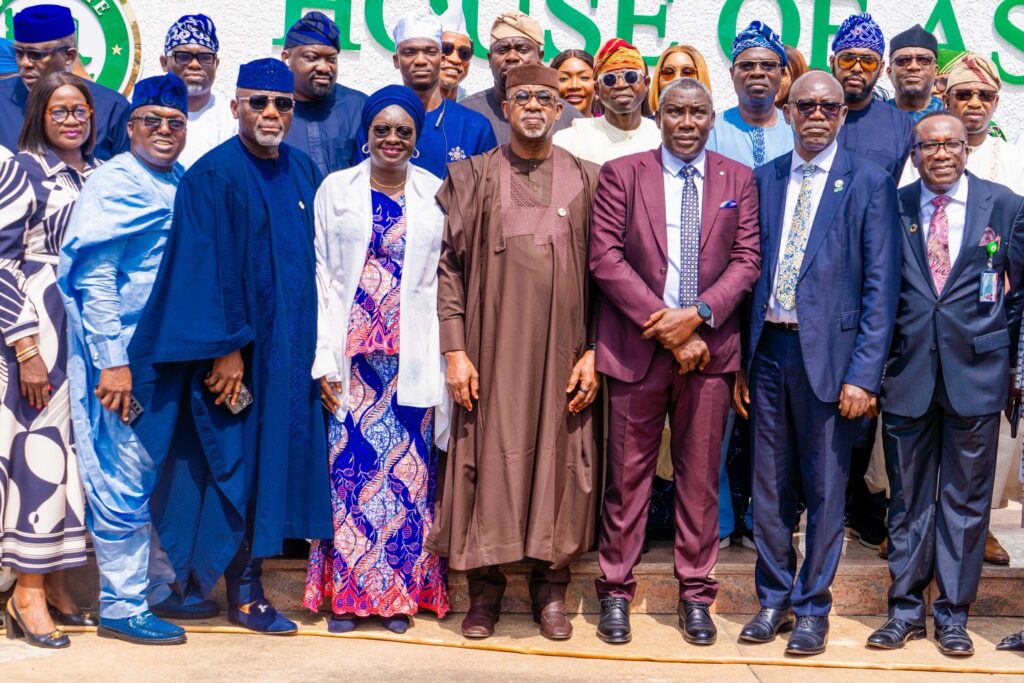
Sagebits Online notes that the passage of this budget also represents a high watermark in legislative-executive collaboration, ensuring transparency, strategic oversight, and alignment with the state’s broader development agenda.












Leave a comment