


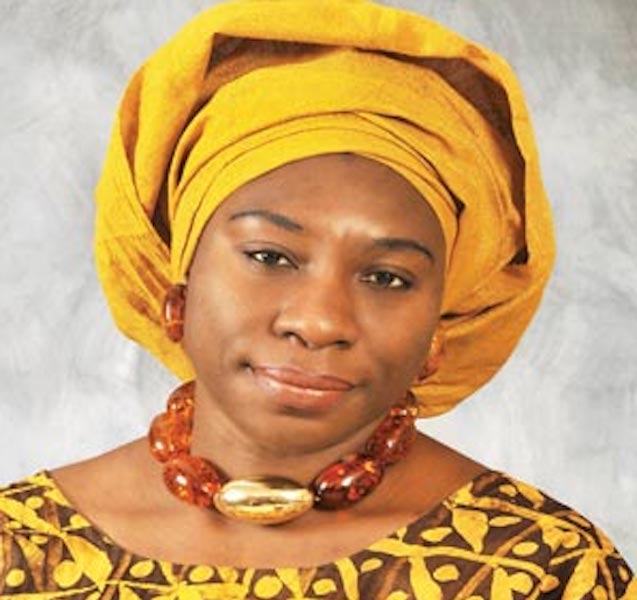
Former Senator representing Ogun Central, Iyabo Obasanjo, has warned that frequent political defections and opportunistic migration among politicians could weaken the foundations of Nigeria’s democracy and erode public trust in governance.
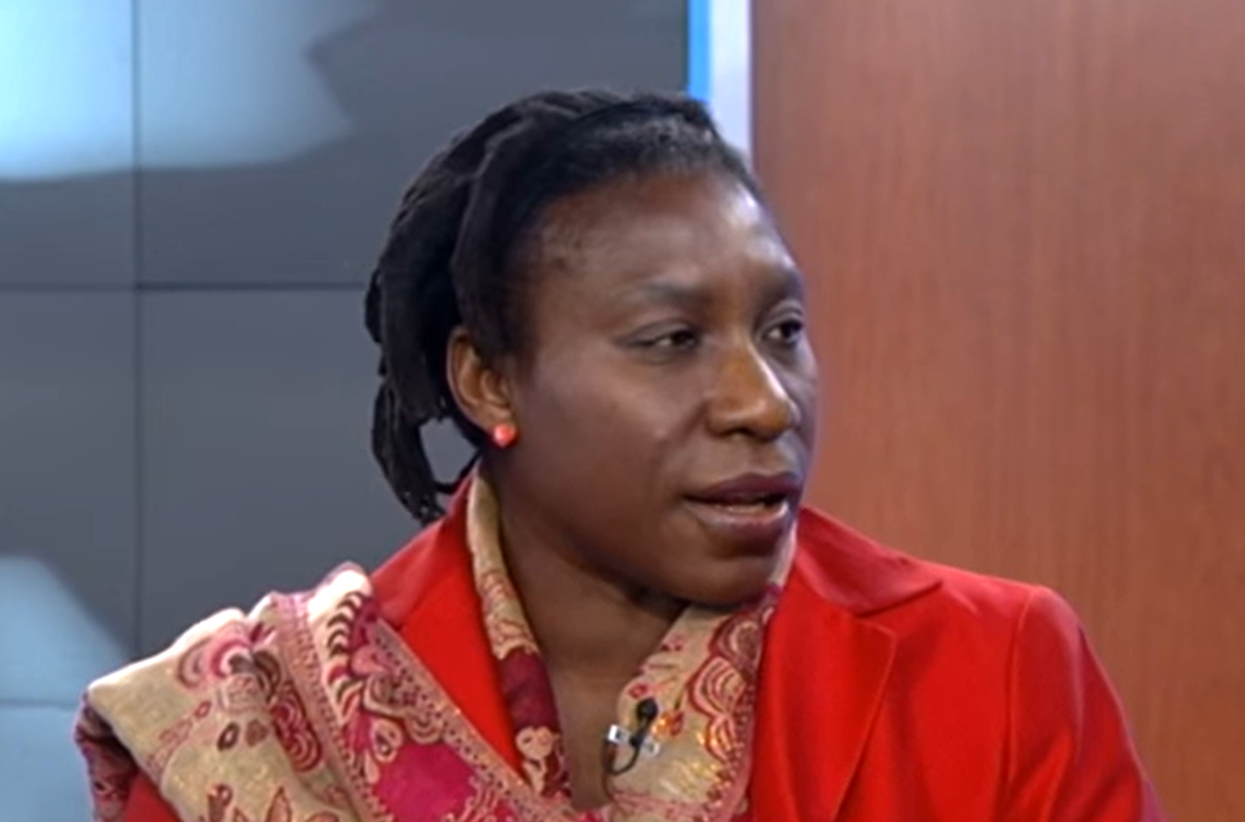
Speaking during an interview on Frontline, a public affairs programme on Eagle 102.5 FM in Ilese Ijebu, Obasanjo expressed concern that the growing culture of politicians moving across states, constituencies, and political bases for electoral advantage poses a serious threat to institutional stability and democratic development.
According to her, democracy thrives when political leaders grow within their communities, build structures over time, and remain accountable to the people who supported their rise.
“Politics should not be about moving into a state simply because it becomes advantageous to contest there. Leaders must build genuine connections with the grassroots and understand the people they seek to represent,” she said.
Obasanjo specifically criticised the trend of political migration, warning that such practices undermine credibility and weaken democratic institutions. She described opportunistic politics as a short-term strategy that ultimately harms the political system.
Her comments come amid discussions surrounding the political career of Solomon Olamilekan Adeola, popularly known as Yayi, who made history by representing senatorial districts in two different states. After a decade-long legislative career in Lagos—serving in the Lagos State House of Assembly, the House of Representatives, and later as Senator for Lagos West—Adeola moved his political base to Ogun State, where he won the Ogun West Senatorial seat in the 2023 general elections.
While acknowledging the evolving nature of politics, Obasanjo insisted that consistency and long-term engagement with constituents are essential for credible leadership.
“If politicians begin to choose where it is easiest to win elections, we risk destroying the foundations of our political system. Democracy grows when leaders grow with their people, not when they shop for constituencies,” she said.

The former senator also reflected on her decision to leave the Peoples Democratic Party, describing the move as a response to years of feeling undervalued despite her contributions to the party.
She explained that the party often reached out only during election periods when it needed her to mobilise support, while overlooking her experience and input during critical decision-making moments.
“They remembered me only when they needed votes. That was frustrating. A political party should value the people who helped build it, not just call on them when it is convenient,” she said.
Obasanjo noted that her decision to leave was not a rejection of politics but a strategic step toward aligning with platforms that recognise commitment and experience.
During the interview, Obasanjo also weighed in on the ongoing national conversation about the possibility of introducing a part-time legislature in Nigeria.
She argued that democratic institutions must evolve with changing societal realities and that policy discussions should be guided by careful analysis rather than emotional reactions.
“Nothing in democracy is written in stone. Institutions must evolve as society changes. We should examine the advantages and disadvantages and determine what works best for our country,” she said.
Using the example of local government funding structures, she explained that many constitutional arrangements were created in a different era and may require review to reflect present-day realities.
On the issue of women’s participation in politics, Obasanjo strongly supported proposals for reserved legislative seats for women, describing it as a necessary step toward inclusive governance.
She emphasised that the challenges facing women in Nigerian politics are largely structural rather than based on competence.
“Women have proven their capacity across different sectors. The barriers are cultural, financial, and institutional. Reserved seats can help correct that imbalance and strengthen democracy,” she said.
Obasanjo also spoke about the expectations that come with being the daughter of former Nigerian president Olusegun Obasanjo, noting that the legacy carries both opportunities and responsibilities.
“Being the daughter of a former president is a responsibility. People expect integrity and commitment, and I have to live up to that every day,” she said.
According to her, growing up around governance gave her firsthand insight into national leadership and shaped her approach to public service.
Addressing the debate around power rotation in Ogun State, Obasanjo said that although zoning is not legally binding, fairness requires that all regions have an opportunity to produce leadership.
She noted that Ogun West has yet to produce a governor, stressing that political balance remains important for unity and inclusion within the state.
Obasanjo added that leadership should not be measured solely by projects but by how well leaders connect with the people at the grassroots.
“Politics is about participation in people’s lives—being accessible, listening, and maintaining constant engagement with the community,” she said.
Reflecting on her long political career, the former senator described politics as demanding and requiring continuous engagement with citizens.
She said experience gained over the years should be used to strengthen institutions and mentor younger leaders entering public service.
“As we grow older, our responsibility should be to build institutions, guide the next generation, and strengthen democratic culture,” she said.
A look into her history revealed that Obasanjo attended Corona School in Victoria Island, Lagos, Capital School in Kaduna, and Queen’s College in Lagos. She obtained a degree in veterinary medicine from the University of Ibadan in 1988, a master’s degree in epidemiology from University of California, Davis in Davis, California, United States, in 1990, and a PhD in the same subject from Cornell University in Ithaca, New York, in 1994.[3]
Before her senatorial election, Obasanjo was Ogun State Commissioner for Health.[4] She was elected as a Nigerian Senator representing Ogun Central Senatorial District of Ogun State in April 2007.[4] She ran for re-election April 2011 on the PDP platform, but was defeated by Olugbenga Onaolapo Obadara of the Action Congress of Nigeria (ACN), who gained 102,389 votes to Obasanjo Bello’s 56,312.[5][6][7]
Obasanjo was elected to the Senate on 28 April 2007 on a People’s Democratic Party (PDP) platform; her Action Congress (AC) opponent Remilekun Bakare challenged this outcome, but the Ogun State Election Petition Tribunal upheld her victory.[8]
She was the Chairman of the Senate’s Health Committee, and a member of the Security & Intelligence, Land Transport, Science & Technology, Education, National Planning, and Inter-Parliamentary Committees.[4] She lost her seat during the National Assembly Elections on 9 April 2011.
Her political reign finally came to a halt in 2015 when she was ‘crushed’ by Senator Gbenga Obadara who snatched the Ogun Central Senatorial district from her







Leave a comment