


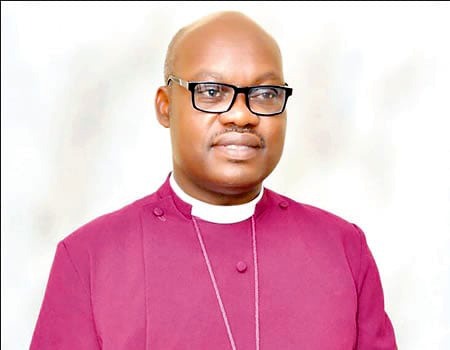
The Anglican Bishop of the Anglican Diocese of Owo, Stephen Ayodeji A. Fagbemi, has raised serious concerns over Nigeria’s worsening security situation, warning that the level of insecurity across the country has become deeply frightening for citizens.
Speaking during a public affairs interview on Monday, the cleric said the growing frequency of kidnappings, terrorist attacks and violent crimes has created an atmosphere of fear in many communities.
According to Bishop Fagbemi, insecurity has moved from being an occasional concern to a dominant issue shaping how Nigerians live, travel and gather for social or religious activities.
“The security situation has reached a level that is frightening for all Nigerians,” he said.
He noted that while major incidents often attract public attention, many other attacks occur without widespread reporting, leaving numerous victims and families to suffer quietly.
“People talk about the incidents that gain publicity, but there are many others that hardly make the news. Yet people have been kidnapped, attacked and in some cases killed. It has become a worrying trend in our communities,” the bishop said.
He added that insecurity has begun to affect religious activities, with some churches forced to suspend programmes or adjust gatherings because of safety concerns.

Memories of the Owo Church Attack
Reflecting on one of the most traumatic incidents in recent years, Bishop Fagbemi recalled the attack on St. Francis Xavier Catholic Church Owo in Owo, Ondo State, which occurred during a Pentecost service in June 2022.

He said he was only a short distance away when chaos erupted during the attack, as worshippers fled in panic.
“It was a terrible experience. People were running everywhere, some hiding, and the entire community was thrown into confusion. Later we heard that innocent worshippers had been killed. It was horrific and deeply traumatic,” he recalled.
The incident, which drew international condemnation, left dozens of worshippers dead and many others injured after gunmen attacked the church during the service.
The bishop explained that the emotional impact of the tragedy continues to affect residents and worshippers in the community.
“Even now, many people feel anxious about attending church. Fear has become part of everyday life,” he said.
Concerns Over Slow Justice Process
Bishop Fagbemi also criticised delays in prosecuting suspects connected to the attack, noting that prolonged judicial processes weaken public confidence in the justice system.
“More than three years later, the suspects are still awaiting trial. Families of victims remain traumatised. Justice delayed is justice denied,” he said.
He warned that slow prosecution of such crimes could embolden criminals.
“If perpetrators believe there are no consequences, they will continue to carry out attacks. Swift justice is necessary to deter future crimes,” he added.
The cleric further stressed that many communities across Nigeria are dealing with repeated kidnappings and attacks that receive little public attention.
According to him, these incidents have disrupted everyday life in several areas, affecting businesses, education and religious activities.
“Insecure communities cannot develop. Businesses close, schools are disrupted and gatherings become risky. When security fails, every other aspect of development suffers,” he said.
Bishop Fagbemi also expressed concern about the financial burden some churches face in trying to provide security during services and events.
“Even small congregations now contribute money for security arrangements. Some barely survive on weekly offerings yet must pay for protection. This should not be the responsibility of citizens,” he said.
“Security is a constitutional duty of government, not something citizens should have to buy.”
Call for Stronger Security Measures
The bishop urged authorities at all levels of government to intensify efforts to protect lives and property through proactive measures and improved coordination among security agencies.
He also suggested exploring reforms such as decentralised policing and better support for local security structures.
“If states had more direct policing structures, response time could improve and officers would be more accountable to the communities they serve,” he said.
He further recommended increased investment in modern security technology, including surveillance systems, drones and intelligence infrastructure.
“Security must be real and effective, not symbolic,” he noted.
While encouraging communities to remain vigilant and supportive of security initiatives, Bishop Fagbemi emphasised that the primary responsibility rests with government.
“Security is the foundation of peace and development. Without it, the economy, education and social life suffer,” he said.
“Our communities deserve peace, and our children deserve safety. Government must ensure that protecting citizens is treated as a priority, not an option.”









Leave a comment