


President Bola Ahmed Tinubu has reaffirmed Nigeria’s readiness to become a major player in the global digital economy, assuring international investors that the country’s youthful, technology-driven population possesses the skills and adaptability required to thrive in an increasingly interconnected world.
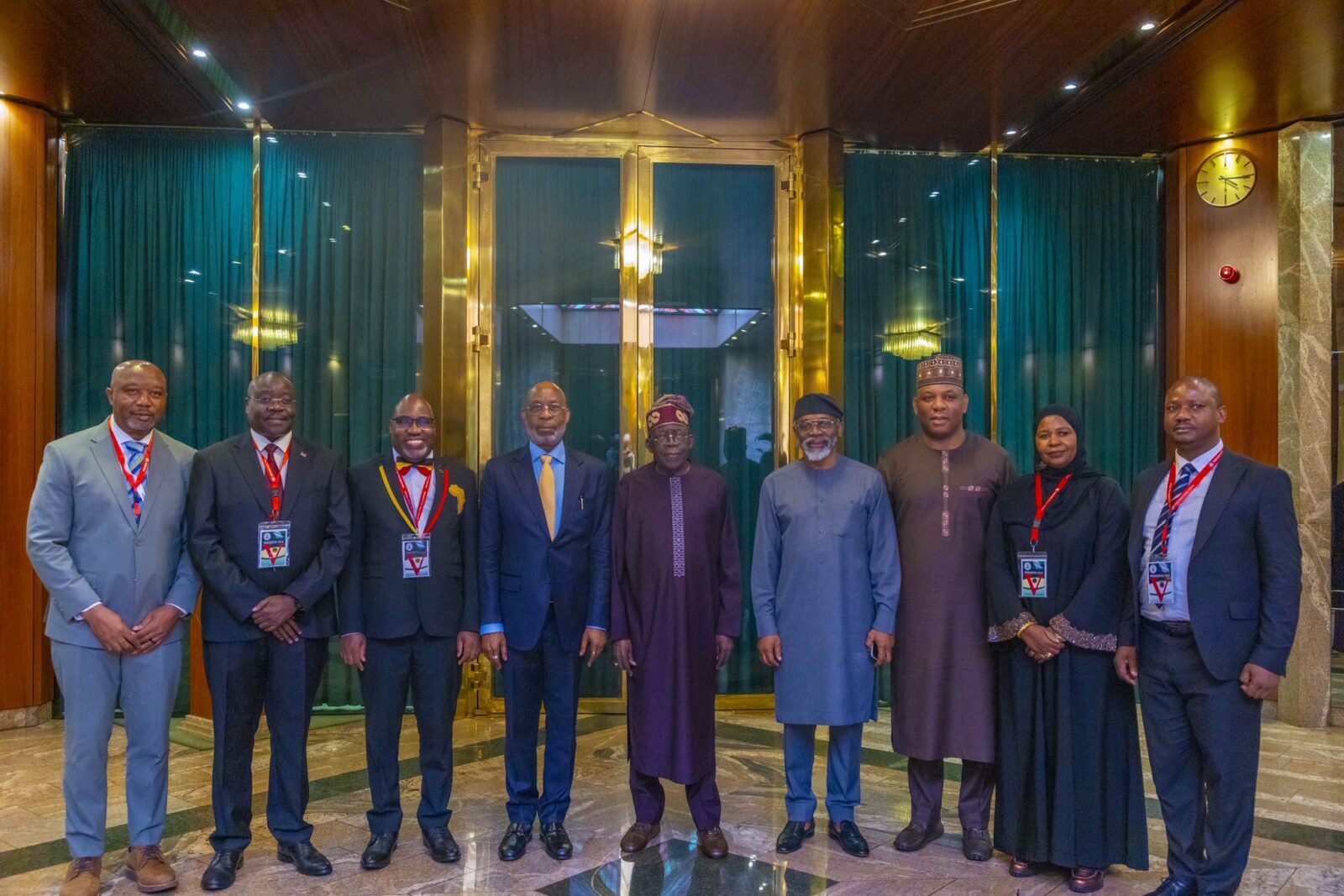
The President gave the assurance on Tuesday at the Presidential Villa, Abuja, while receiving a delegation from Mastercard led by its Global Chief Executive Officer, Michael Miebach.
The meeting focused on expanding digital inclusion, strengthening payment systems, supporting small businesses and accelerating skills development across Nigeria, with Mastercard unveiling plans to train five million Nigerian businesses in digital and financial technologies.
Speaking during the meeting, President Tinubu described Nigeria’s youthful population as the country’s most valuable resource, noting that government reforms are creating a more stable and attractive environment for innovation, investment and entrepreneurship.

According to the President, ongoing efforts to formalise the informal sector and expand digital access are opening new opportunities for economic growth, job creation and financial inclusion.
He noted that small businesses are increasingly embracing technology and registering their operations, a trend he said would enhance access to finance, digital payment solutions and global markets.
President Tinubu also praised Mastercard’s longstanding engagement in Nigeria and pledged continued government support for initiatives that empower young people and entrepreneurs with digital skills.
Advertise here
A major highlight of the engagement was Mastercard’s proposal to provide digital and business development training for five million Nigerian enterprises.
The initiative is expected to strengthen the capacity of micro, small and medium-sized enterprises (MSMEs), improve access to digital payment systems and support broader financial inclusion objectives.
The President urged Mastercard to work closely with institutions such as the Bank of Industry (BOI), which maintains extensive databases of small businesses nationwide, to maximise the impact of the programme.
He stressed that efficient payment platforms remain critical to the growth and inclusion of small businesses within the formal economy.
Advertise here
Minister of Finance and Coordinating Minister of the Economy, Taiwo Oyedele, said President Tinubu’s economic reforms have significantly improved opportunities within Nigeria’s digital economy.
According to him, the administration’s policies have accelerated the formalisation of businesses, with more than 10,000 informal enterprises reportedly applying for registration daily in recent months.
Oyedele noted that the government’s broader reform agenda spans tax administration, public sector digitisation, consumer credit expansion and financial inclusion.
He added that the administration is targeting the empowerment of at least three million Nigerian youths through digital economy initiatives and skills development programmes.
Advertise here
The Finance Minister further highlighted Nigeria’s growing influence in Africa’s technology ecosystem, revealing that five of the continent’s nine fintech unicorns are Nigerian.
He identified significant opportunities for Mastercard in Nigeria’s expanding credit economy, including consumer lending, mortgages, auto financing, student loans and business credit.
Oyedele also pointed to efforts aimed at facilitating cross-border transactions within Africa using local currencies, reducing dependence on foreign intermediary currencies and lowering transaction costs.
Advertise here
The meeting underscored the Federal Government’s commitment to partnering with global technology and financial services companies to drive economic transformation.
Observers say Mastercard’s proposed investment in business training and digital inclusion aligns with Nigeria’s ambition to become a leading digital economy in Africa while equipping millions of entrepreneurs with the tools required to compete in the global marketplace.
The engagement also reinforces the administration’s strategy of leveraging private-sector partnerships to expand financial access, stimulate enterprise growth and create employment opportunities for Nigeria’s rapidly growing youth population.

[contact-form][contact-field label=”Name” type=”name” required=”true” /][contact-field label=”Email” type=”email” required=”true” /][contact-field label=”Website” type=”url” /][contact-field label=”Message” type=”textarea” /][/contact-form]







Leave a comment