



The Ogun State Government, under the leadership of Dapo Abiodun, has approved a set of palliative measures aimed at easing the burden on public servants following the recent increase in fuel prices and rising transportation costs.
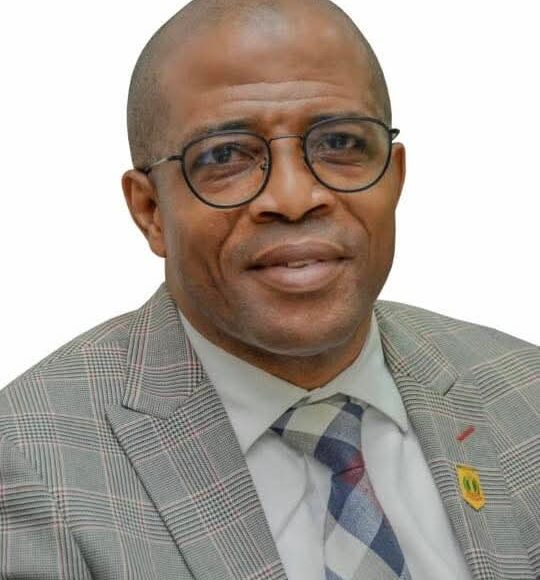
The intervention, announced by the State Head of Service, Kehinde Onasanya, includes a one-day off-duty arrangement per week for eligible workers and a ₦10,000 special transport allowance to be paid monthly for three months, beginning in April 2026.
According to the statement, the initiative is designed to cushion the economic pressure on workers while maintaining productivity across the public service.

The government noted that the rising cost of fuel has significantly affected commuting expenses and overall living conditions, making targeted support necessary.
The Head of Service explained that while most workers will benefit from both the weekly day-off and the transport allowance, certain categories of essential personnel are exempted from the off-duty arrangement due to the nature of their responsibilities.

These include medical workers, judicial staff, teaching and non-teaching personnel across educational institutions, security operatives, and key administrative officers whose roles require consistent physical presence.
However, all affected categories, including exempted staff, will receive the ₦10,000 transport allowance as part of the government’s broader welfare package.
To ensure continuity in governance and service delivery, Onasanya stated that Accounting Officers in Ministries, Departments, and Agencies (MDAs) will determine the specific off-duty day for each eligible worker, with schedules structured to avoid operational disruptions.
He described the intervention as timely and responsive, reflecting the administration’s commitment to the welfare and well-being of its workforce amid prevailing economic challenges.
Onasanya also called on public servants to reciprocate the government’s gesture through increased dedication, discipline, and improved efficiency in their duties, noting that a motivated workforce remains central to effective governance.









Leave a comment