


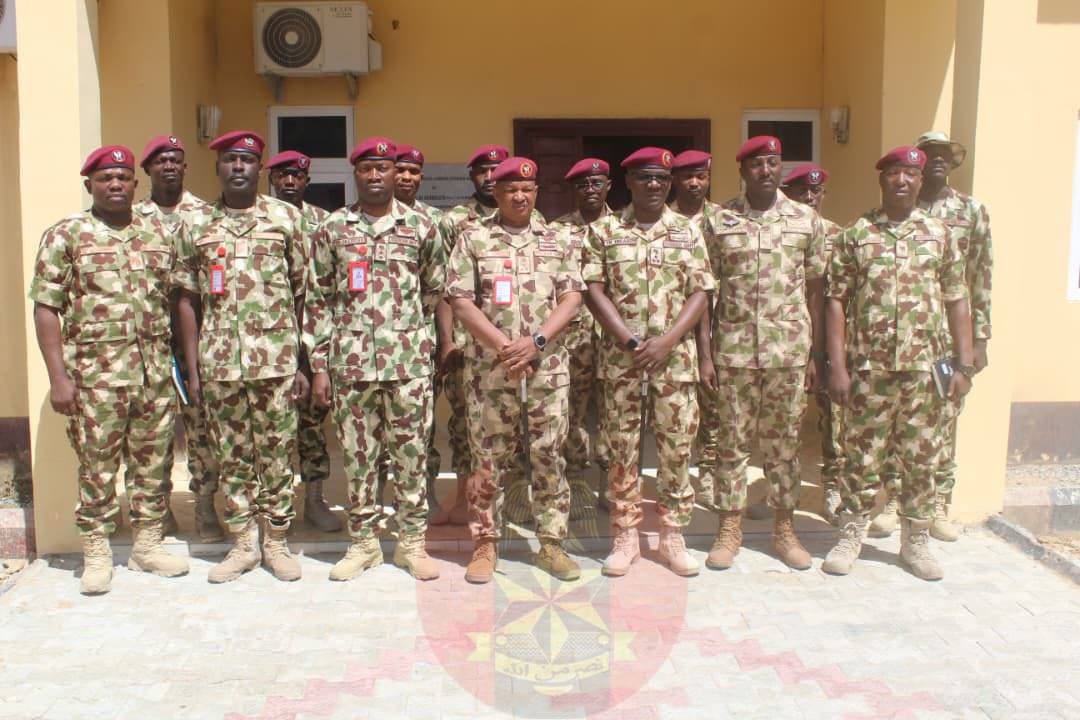
Nigeria’s security landscape remains under pressure as the administration of Bola Ahmed Tinubu confronts multiple threats ranging from insurgency in the Northeast to kidnapping and illegal mining activities in parts of the Northwest and North Central regions.
The renewed concerns follow a recent attack by the extremist group Boko Haram on the Ngoshe community in Gwoza, Borno State, which resulted in casualties among civilians and members of the Nigerian military.
In response to the incident, President Tinubu reaffirmed his administration’s commitment to strengthening the country’s security forces, promising improved military equipment, enhanced intelligence-gathering technology, and expanded welfare support for wounded soldiers and their families.
Despite ongoing security challenges, public confidence in parts of the military remains relatively strong, particularly in the operations of the Nigerian Air Force, which has carried out sustained air strikes targeting insurgent positions across the Northeast.

Alongside military operations, the government is also intensifying efforts to strengthen internal security through recruitment into law enforcement agencies.
Nationwide screening for 50,000 police constables begins today, Monday, March 9, as part of efforts by the Nigeria Police Force to expand its workforce and improve community policing across the country.
At the same time, the Federal Government has commenced preparations for the recruitment of beneficiaries into the Batch B phase of the Youth Economic Intervention and De-Radicalisation Programme (YEIDEP).
The initiative is designed to tackle some of the underlying drivers of insecurity—particularly youth unemployment and poverty—by providing entrepreneurship support and startup funding to millions of young Nigerians.
Officials say the programme aims to empower as many as 20 million youths nationwide, reducing their vulnerability to radicalisation and recruitment by criminal and extremist groups.
Analysts say the success of these security and economic interventions will play a key role in determining the country’s ability to contain insurgency, banditry, and other forms of organised crime in the coming years.










Leave a comment