


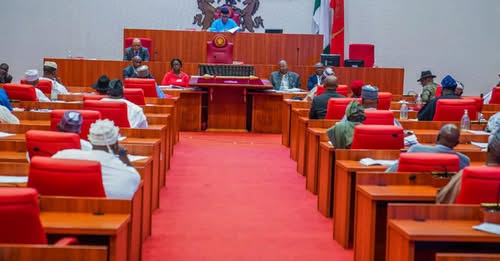
Nigeria’s electoral framework has come under renewed scrutiny following the passage of amendments to the 2026 Electoral Act by the National Assembly of Nigeria, a move that has sparked criticism from opposition parties and civil society groups.
At the centre of the controversy is a provision in the amended law that removes certificate forgery as a legal ground for challenging election results, a change critics argue could weaken the ethical standards underpinning Nigeria’s democratic process.
The opposition African Democratic Congress (ADC), alongside prominent political figures including former presidential candidate Peter Obi, has raised concerns that the amendment may shield candidates with questionable academic credentials from legal scrutiny.

Opponents of the provision argue that the change could undermine public trust in the electoral system, particularly as political parties begin preparations for the 2027 general elections.
Despite the ongoing debate, the Independent National Electoral Commission (INEC) has proceeded with administrative preparations for the next national polls.
The electoral body recently confirmed that it has finalised the timetable for the 2027 general elections, emphasizing that it will continue to operate within the existing legal framework until any further amendments are formally gazetted and become binding law.
Analysts say the controversy surrounding the Electoral Act amendment could shape political discourse in the coming months, as parties and stakeholders push for stronger safeguards to protect the credibility and transparency of Nigeria’s electoral process.









Leave a comment