


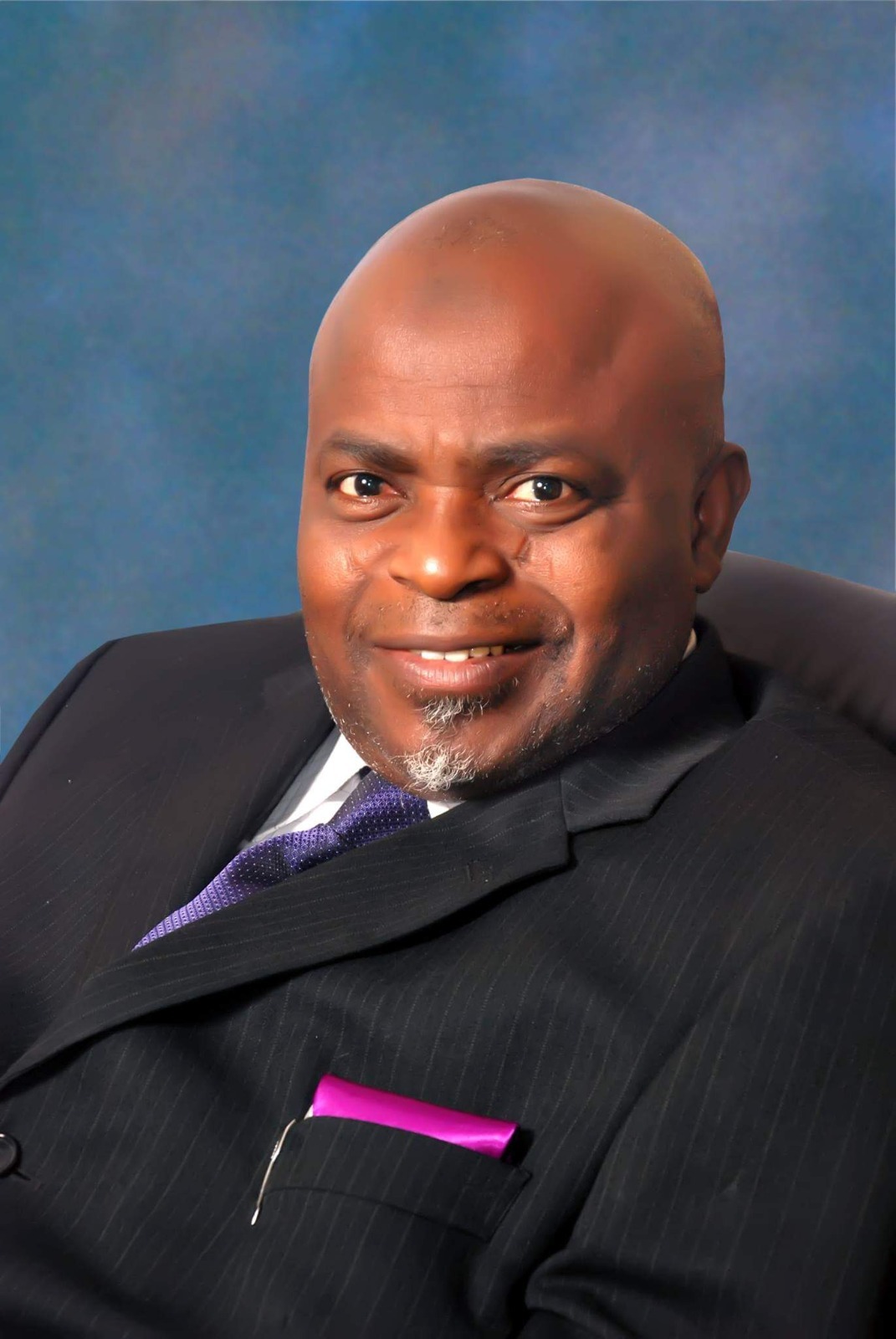
Former Speaker of the Osun State House of Assembly and former member of the House of Representatives, Hon. Mojeed Alabi, has defended Nigeria’s democratic system against growing criticism over the country’s developmental challenges, insisting that democracy itself cannot be blamed for underdevelopment.
Speaking while reflecting on Nigeria’s 27 years of uninterrupted democratic rule, Alabi argued that governance failures, weak institutions, economic hardship and poor leadership choices—not democracy—remain the primary factors hindering national development.
According to him, democracy remains the most viable framework for citizen participation, accountability and inclusive governance, stressing that no democratic society becomes underdeveloped simply because it operates a democratic system.
“Democracy can never be, has never been, and will never be a factor for underdevelopment,” Alabi declared.
The former lawmaker maintained that while Nigerians may be frustrated by the country’s socio-economic realities, it would be inaccurate to conclude that democracy is responsible for those shortcomings.
Alabi described Nigeria’s democratic journey as a work in progress, arguing that democratic consolidation is a gradual process that requires patience, institution-building and sustained reforms.
He noted that countries often cited as successful democracies did not achieve stability and prosperity overnight but evolved over decades through continuous improvements in governance systems.
According to him, Nigeria should be viewed as an emerging democracy rather than a fully consolidated one.
“Democracy is not a one-off thing. It is a process. It is something that has to be nurtured, built over years and consolidated upon before we can reach the level attained by advanced democracies today,” he said.
He explained that although Nigeria successfully transitioned from military rule in 1999, the country is still navigating the complex process of deepening democratic values, strengthening institutions and delivering meaningful dividends of governance.
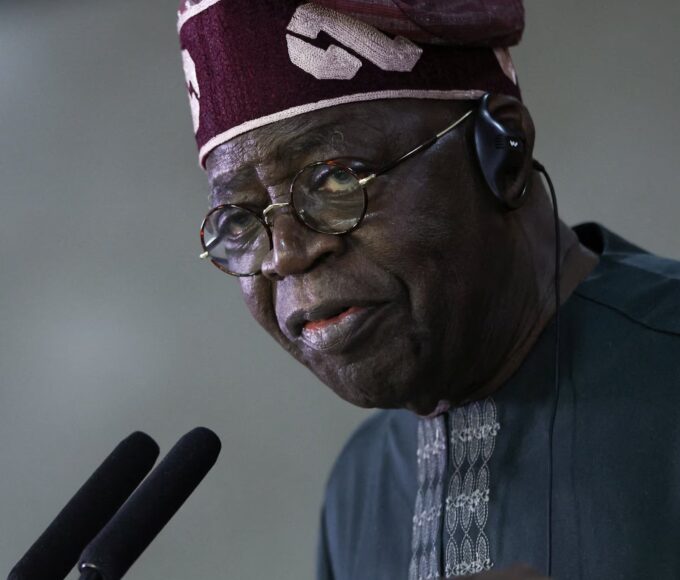
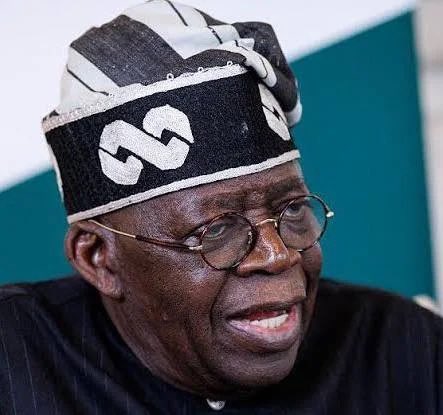
Commenting on President Bola Ahmed Tinubu’s Democracy Day address, Alabi said one of the most significant aspects of the speech was the President’s acknowledgement that many Nigerians are yet to fully experience the benefits of democracy.
He described the admission as a realistic assessment of the country’s situation and a reminder that government must continue working towards improving citizens’ welfare.

According to him, recognizing shortcomings is a necessary step toward finding solutions.
“That was an admission that government cannot rest on its oars. It was an acknowledgement that we are not yet where we want to be and that the journey toward democratic consolidation is still ongoing,” he said.
Alabi stressed that democratic success should not be measured solely by the conduct of elections but by the extent to which governance improves the lives of ordinary citizens.
The former Speaker expressed concern over the persistence of insecurity across the country, including banditry, terrorism, kidnapping and armed robbery, but argued that many of these challenges are rooted in widespread poverty and economic exclusion.
He maintained that when large segments of the population remain economically vulnerable, social instability becomes more difficult to contain.
According to him, the inability of democratic governance to significantly improve living standards for many citizens has contributed to conditions that fuel criminal activities.
“In the midst of poverty, people are bound to have recourse to actions that further compound our problems. Banditry, Boko Haram, armed robbery and other forms of insecurity are connected to the fact that many Nigerians are not economically empowered,” he said.
Alabi argued that citizens who have access to legitimate economic opportunities are less likely to resort to criminal behaviour.
He therefore called for greater investment in job creation, education, entrepreneurship and economic empowerment programmes capable of improving living conditions and reducing social tensions.
While acknowledging that difficult economic reforms may be necessary to stabilise the economy and secure long-term growth, Alabi insisted that government must ensure the burden of such reforms is shared fairly across society.
He warned against situations where political office holders continue to enjoy privileges while ordinary citizens bear the full weight of austerity measures and economic adjustments.
According to him, public confidence in government reforms can only be sustained when citizens see evidence that leaders are making sacrifices alongside the people.
“We cannot afford a situation where people in government continue to live large while asking ordinary Nigerians to tighten their belts for a better future,” he stated.
“If sacrifices are required for national recovery, then those sacrifices must apply to everyone—whether in government, in the ruling party, the opposition, or outside politics entirely.”
Alabi further stressed that democracy thrives when leaders remain accountable, transparent and responsive to the needs of citizens.
He argued that public trust is strengthened when governments demonstrate fairness, uphold the rule of law and ensure that public resources are managed responsibly.
According to him, the success of Nigeria’s democratic experiment ultimately depends not on the structure of democracy itself, but on how effectively leaders utilise democratic institutions to deliver development, security and prosperity.
As Nigeria marks over two decades of uninterrupted civilian rule, Alabi maintained that the focus should remain on improving governance outcomes rather than questioning democracy as a system.
He concluded that with stronger institutions, inclusive economic policies and responsible leadership, democracy remains the country’s best pathway toward sustainable development and national progress.











Leave a comment