



The Ogun State Government says investigations into the recurring gas emissions that have disrupted academic activities and affected hundreds of students and teachers in Ijebu-Ode have entered a critical phase, with emerging evidence pointing to possible geological activity beneath the town.
Commissioner for Environment, Mr. Ola Oresanya, disclosed that authorities have narrowed their focus to a suspected underground fault line after ruling out several potential sources of the mysterious emissions that have repeatedly affected schools and surrounding communities.
Speaking during an interview on Frontline, a current affairs programme on Eagle 102.5 FM, Ilese-Ijebu, Oresanya said scientific findings increasingly suggest that the gas may be migrating from deep beneath the earth through underground fractures connecting affected locations.
According to him, investigators have made significant progress by eliminating a number of suspected sources while geological evidence continues to support the earth-crust theory.
“We have made appreciable progress with our investigations and succeeded in eliminating several locations and sources that are not connected to the incidents. What we are now seeing is that the gas may actually be coming from the earth’s crust,” Oresanya stated.
“The geological evidence before us indicates that all the locations where gas has been detected appear to lie on the same straight line, suggesting a common underground pathway.”
The commissioner explained that experts are now examining whether the phenomenon could be linked to tectonic movements within the earth’s crust capable of releasing trapped gases through underground fractures.

In what has become one of the most significant aspects of the investigation, Oresanya revealed that experts are also reviewing an earlier academic warning suggesting that Ijebu-Ode could experience seismic activity in the coming years.
He referenced an inaugural lecture delivered earlier this year by a Professor of Solid Earth Physics at Tai Solarin University of Education, who reportedly warned that the area could witness earthquake activity by 2028.
“She gave an inaugural lecture on the possibility that Ijebu-Ode may witness an earthquake in 2028,” Oresanya said.
“You cannot simply dismiss such a statement, especially considering what we are currently investigating.”
While stressing that no definitive conclusion has been reached, the commissioner noted that the recurring gas emissions have compelled investigators to pay closer attention to the geological structure of the area.
The mysterious incidents first emerged on April 1, 2026, when dozens of students and teachers at Our Lady of Apostles Secondary School (OLAS), Ijebu-Ode, reportedly developed breathing difficulties, dizziness, and fainting symptoms after inhaling an unidentified gaseous substance.
Subsequent occurrences affected students and staff at Anglican Girls Grammar School (AGGS) and other locations, with more than 200 persons reportedly impacted in multiple incidents over the past two months.

The latest recurrence, recorded on June 2, renewed concerns among residents and prompted authorities to intensify investigations.
Although all affected individuals were treated and stabilised, government officials expanded the scope of the inquiry beyond conventional environmental explanations due to the repeated nature of the incidents.
Oresanya disclosed that monitoring equipment deployed around affected locations confirmed the presence of methane gas, while traces of hydrogen sulphide were also detected during investigations.
The findings prompted authorities to examine nearby industrial operations and gas infrastructure as possible sources.
As a precautionary measure, the Ogun State Government directed the temporary shutdown of gas pipeline operations serving industries within the affected axis.
“The safety and lives of our people are far more important than any economic consideration. We have shut down the pipeline operations to eliminate every possible source,” he said.
He, however, clarified that the decision does not imply that the pipeline has been identified as the source of the emissions but was necessary to aid the investigation.
The commissioner further revealed that quarry and mining activities within the area are being investigated as part of the ongoing probe.
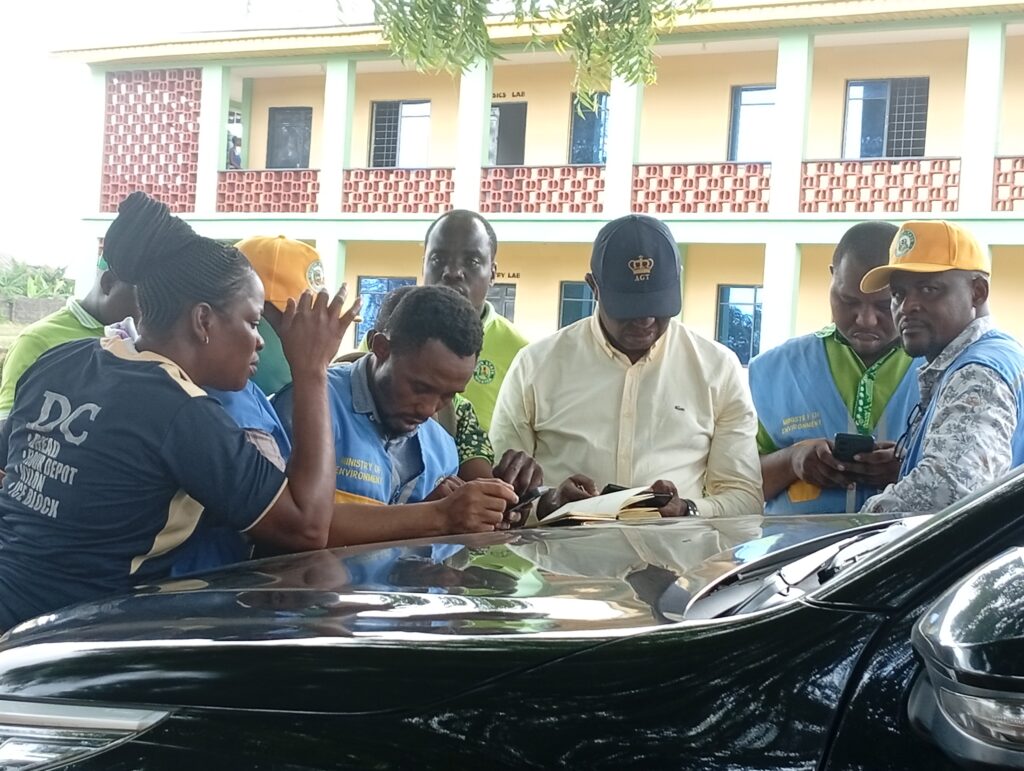
According to him, experts are assessing whether blasting activities could have created or widened underground fractures through which trapped gases may be escaping to the surface.
“If investigations eventually establish that quarry operations are contributing to the problem, government will not hesitate to take appropriate action,” he said.
He, however, emphasized that no evidence has yet linked quarry activities directly to the incidents.

One of the strongest indicators emerging from the investigation is the apparent alignment of affected locations along what experts believe may be a geological corridor beneath the town.
Oresanya said preliminary findings show that schools and communities affected by the emissions appear to be situated along the same underground path.
Geologists are currently mapping the suspected fault line to determine whether it serves as a conduit for methane and other gases escaping from deep underground formations.
The investigation team includes experts from Olabisi Onabanjo University (OOU), the Federal University of Agriculture, Abeokuta (FUNAAB), the Nigerian National Petroleum Company Limited (NNPCL), while engagement with the Nigerian Geological Survey Agency is also underway.
The commissioner dismissed suggestions that the incidents were caused by criminal activities, sabotage, or deliberate attacks.
According to him, security agencies including the Department of State Services (DSS), the Nigeria Police Force, Amotekun Corps, and other security outfits have thoroughly combed affected areas without uncovering evidence of foul play.
“This is not a deliberate attack on our children. Security agencies have been actively involved and no evidence of sabotage has been found,” he said.
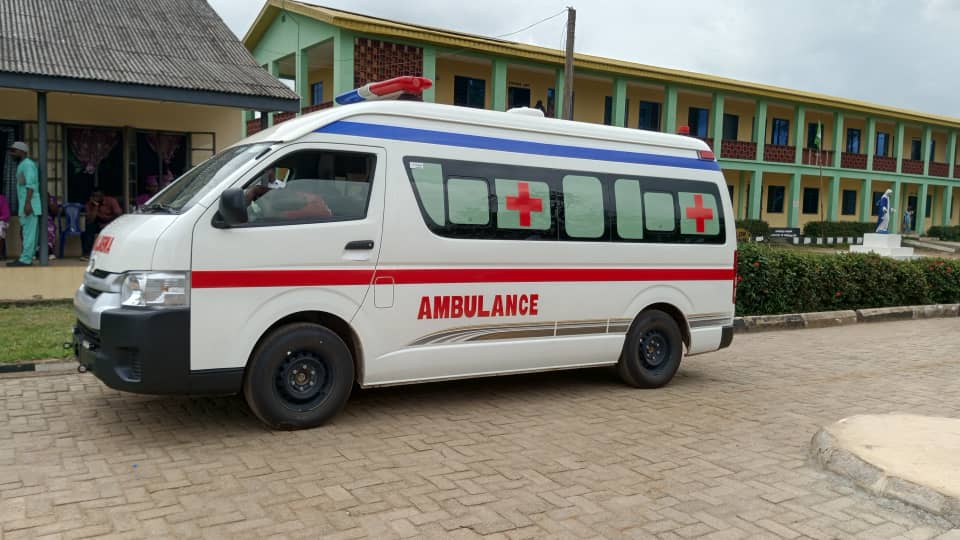
Despite growing public concern, the state government has ruled out closing schools, opting instead to deploy gas detectors, ambulances, emergency medical teams, and continuous monitoring equipment to affected institutions.
Oresanya stressed that the government remains committed to allowing scientific evidence to guide its decisions rather than speculation.
Whether the emissions are linked to natural tectonic processes, underground geological disturbances, quarry activities, or a combination of factors, he said conclusions would only be drawn after comprehensive investigations.
“We do not want to prescribe treatment before completing the diagnosis,” he stated.
As investigations continue, what began as a mysterious health emergency in schools has evolved into a major geological inquiry that could reshape understanding of the subsurface environment beneath Ijebu-Ode and neighbouring communities.












Leave a comment