Tuesday , 13 October 2026
Home Economy Monday Brief: Nigeria’s 2026 Budget Signals Push for Growth Amid Debt Pressures
EconomyNews

Monday Brief: Nigeria’s 2026 Budget Signals Push for Growth Amid Debt Pressures

The N58.18 trillion fiscal plan seeks to move the economy from stabilization to inclusive growth despite a heavy debt-servicing burden.

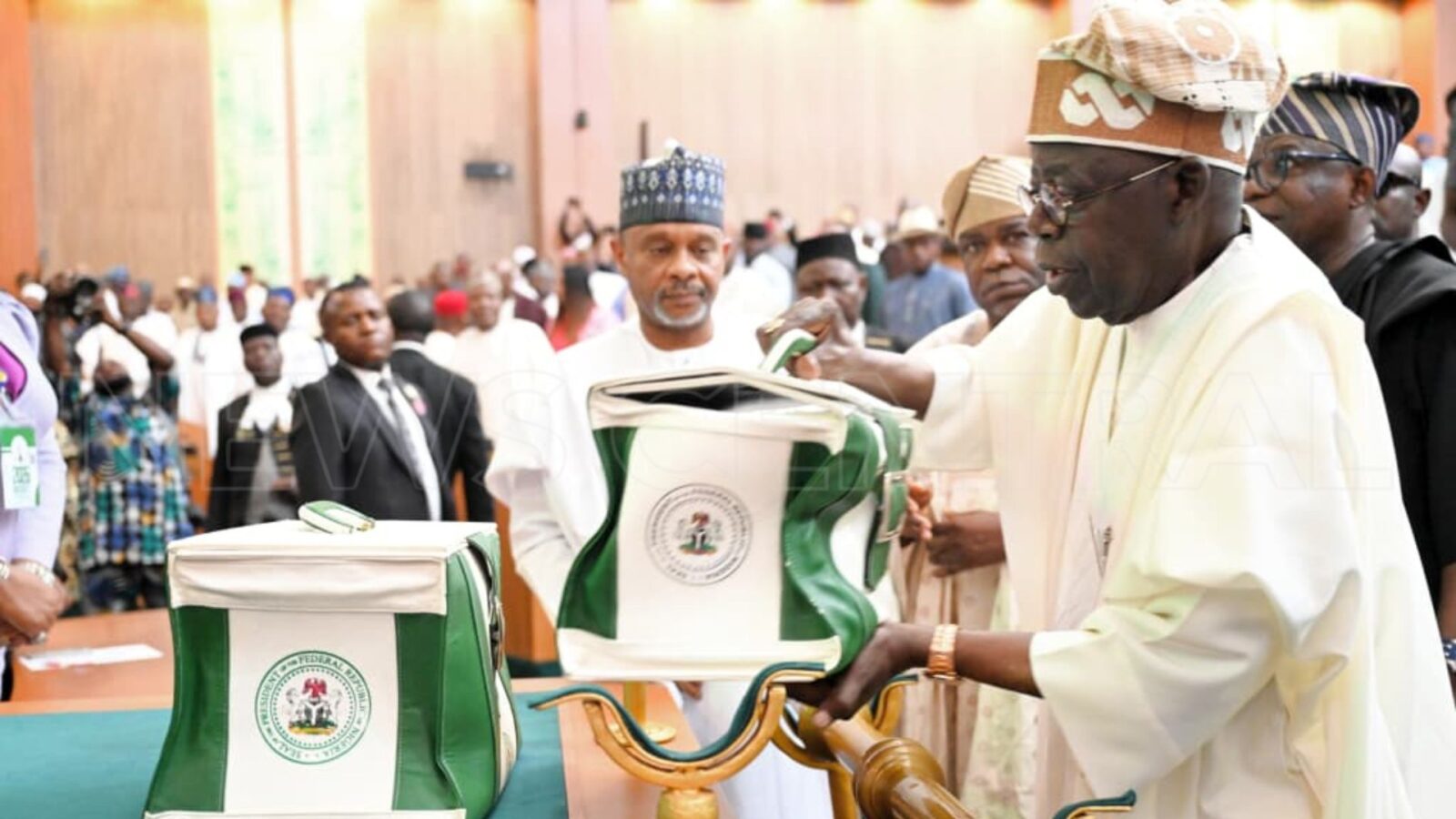
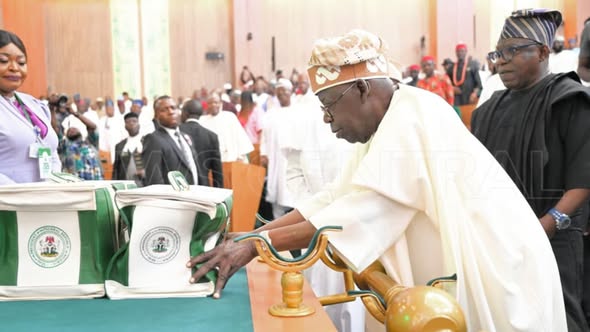
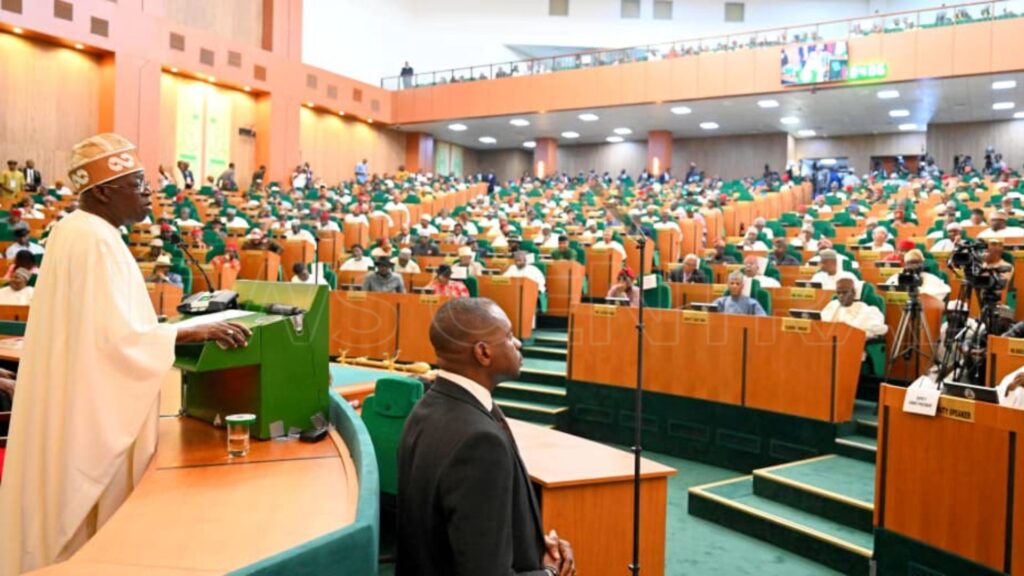
 Nigeria’s fiscal direction for 2026 is anchored on a N58.18 trillion spending plan presented by President Bola Ahmed Tinubu to a joint session of the National Assembly of Nigeria, outlining the government’s strategy to transition the economy from stabilization to sustained growth.

Tagged the “Budget of Consolidation, Renewed Resilience, and Shared Prosperity,” the fiscal framework is designed to strengthen economic recovery while addressing long-standing structural weaknesses in public finance.

Government projections indicate that Nigeria’s economy could expand by 4.4 percent in 2026, slightly higher than the 4.2 percent growth recorded in 2025, reflecting expectations of improved macroeconomic stability and increased economic activity.

A key component of the strategy is the digital transformation of government revenue systems. Authorities plan to introduce end-to-end digitisation of revenue collection, including standardized electronic collections and automated reconciliation processes aimed at reducing leakages within the federation’s revenue framework.

Despite these reforms, analysts note that Nigeria’s fiscal outlook remains constrained by the country’s growing debt obligations.

The 2026 budget projects N15.52 trillion for debt servicing, an amount that nearly equals the N15.25 trillion allocated for recurrent non-debt expenditure, highlighting the pressure debt repayments continue to place on government finances.

Capital expenditure has been projected at N26.08 trillion, signalling the administration’s intention to prioritize infrastructure and development projects as part of efforts to stimulate economic growth.

However, the spending plan also anticipates a budget deficit of N23.85 trillion, representing about 4.28 percent of Nigeria’s Gross Domestic Product (GDP). The deficit suggests the government will still rely significantly on borrowing to finance its fiscal agenda.

Economists say the success of the 2026 fiscal framework will largely depend on improved revenue mobilisation, prudent borrowing, and the ability of the government to translate capital spending into tangible economic expansion.

Author

  • Funmi Adewoju Suleodu

    Olufunmilayo Adewoju Suleodu is a veteran journalist, editor, and publisher with more than three decades of experience in journalism, communications, and public affairs.

    She has worked across news media, magazine publishing, communications, development-sector engagements, and digital journalism. She currently publishes SageBits Online and reports on governance, development, business, education, traditional institutions, and public affairs.

    She is also an elected officer of the Nigeria Union of Journalists (NUJ), Ogun East Independent Chapel, reflecting her continued engagement with the journalism profession and media development.

    Based in Ogun State, she is available for freelance reporting, feature writing, editorial assignments, research, project documentation, and development communications work.

    Detailed professional history and references are available upon request.

    View all posts
Written by
Funmi Adewoju Suleodu

Olufunmilayo Adewoju Suleodu is a veteran journalist, editor, and publisher with more than three decades of experience in journalism, communications, and public affairs. She has worked across news media, magazine publishing, communications, development-sector engagements, and digital journalism. She currently publishes SageBits Online and reports on governance, development, business, education, traditional institutions, and public affairs. She is also an elected officer of the Nigeria Union of Journalists (NUJ), Ogun East Independent Chapel, reflecting her continued engagement with the journalism profession and media development. Based in Ogun State, she is available for freelance reporting, feature writing, editorial assignments, research, project documentation, and development communications work. Detailed professional history and references are available upon request.

Leave a comment

Leave a Reply

Your email address will not be published. Required fields are marked *

Related Articles

Super Falcons target third-round ticket against Comoros

Nigeria’s Super Falcons will seek to secure a place in the third...

Sanwo-Olu charges Nigerian youths to shape future at Seyi Tinubu’s 41st birthday colloquium

Lagos State Governor, Babajide Sanwo-Olu, has challenged young Nigerians to participate actively...

Ogun 2027: Adebutu met INEC requirements, campaign aide insists over omission from final list

The Director of Media for the Ladi Adebutu Campaign Organisation, Afolabi Orekoya,...

Sanwo-Olu charges Nigerian youths to shape future at Seyi Tinubu’s 41st birthday colloquium

Lagos State Governor, Babajide Sanwo-Olu, has challenged young Nigerians to participate actively...