


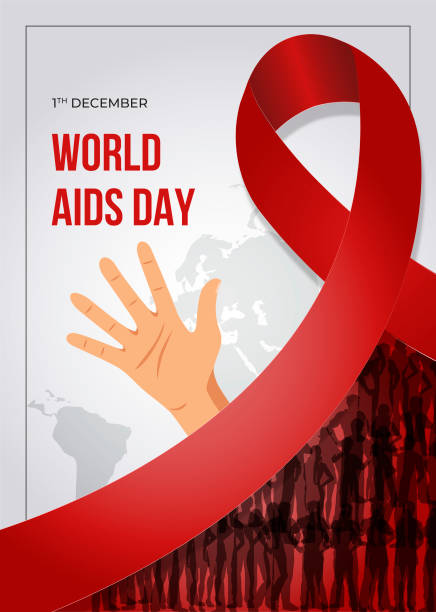
The United Nations Children’s Fund (UNICEF) has warned that 1.8 million children could die of AIDS-related causes by 2040 unless countries urgently scale up HIV services for mothers, children, and adolescents.
Raising the alarm ahead of World AIDS Day on December 1, the agency highlighted that shrinking funding and persistent gaps in early diagnosis and treatment are putting millions of young lives at risk.
According to recent UNICEF-UNAIDS modelling, if programme coverage declines by half:
-
1.1 million additional children could acquire HIV
-
820,000 additional child deaths could occur by 2040
This scenario would push the total toll among children to three million infections and 1.8 million deaths. Even at current service levels, nearly two million new infections and close to one million AIDS-related child deaths are projected due to the slow pace of progress.

The report revealed that 150,000 adolescents acquired HIV in 2024 alone, underscoring widening access gaps, particularly affecting girls in sub-Saharan Africa.
Ahead of World AIDS Day, the World Health Organization (WHO) called for renewed political commitment, global cooperation, and human-rights-centred approaches under the theme: “Overcoming disruption, transforming the AIDS response.” WHO cautioned that the global HIV response is at a crossroads, with service disruptions increasing risks for vulnerable communities.
Global estimates for 2024 indicate:
-
40.8 million people living with HIV
-
630,000 AIDS-related deaths
-
1.3 million new infections
Sub-Saharan Africa remains the epicentre, home to nearly 65% of all people living with HIV.
UNICEF Associate Director of HIV and AIDS, Anurita Bains, noted that progress made over the years is now at risk due to abrupt global funding cuts, warning:
“Ending AIDS in children is now in jeopardy. Without focused action, decades of gains could be reversed and millions of young lives could be lost.”
Her concerns were echoed by Dr Jean Kaseya, Director General of the Africa Centres for Disease Control and Prevention (Africa CDC), who called on African leaders to shape the continent’s health future through stronger regional institutions, expanded local manufacturing, and sustainable financing systems.
UNICEF’s 2024 global data showed:
-
120,000 children (0–14 years) acquired HIV, with 75,000 deaths, averaging about 200 child deaths per day
-
150,000 adolescents (15–19 years) acquired HIV, with girls accounting for two-thirds of cases globally and 85% of new infections in sub-Saharan Africa
The agency highlighted that only slightly more than half of children living with HIV were receiving antiretroviral therapy, compared to nearly four out of five adults, leaving an estimated 620,000 children without life-saving treatment.
UNICEF urged governments and development partners to:
-
Protect and prioritise HIV services for mothers and children
-
Strengthen prevention of mother-to-child transmission
-
Expand paediatric treatment
-
Integrate HIV care into broader health systems
-
Ensure predictable donor support through innovative and sustainable financing mechanisms
“The time to act is now. Children cannot wait,” UNICEF stated, stressing that urgent intervention is critical to reversing the course of the HIV epidemic among the world’s most vulnerable populations.












Leave a comment