


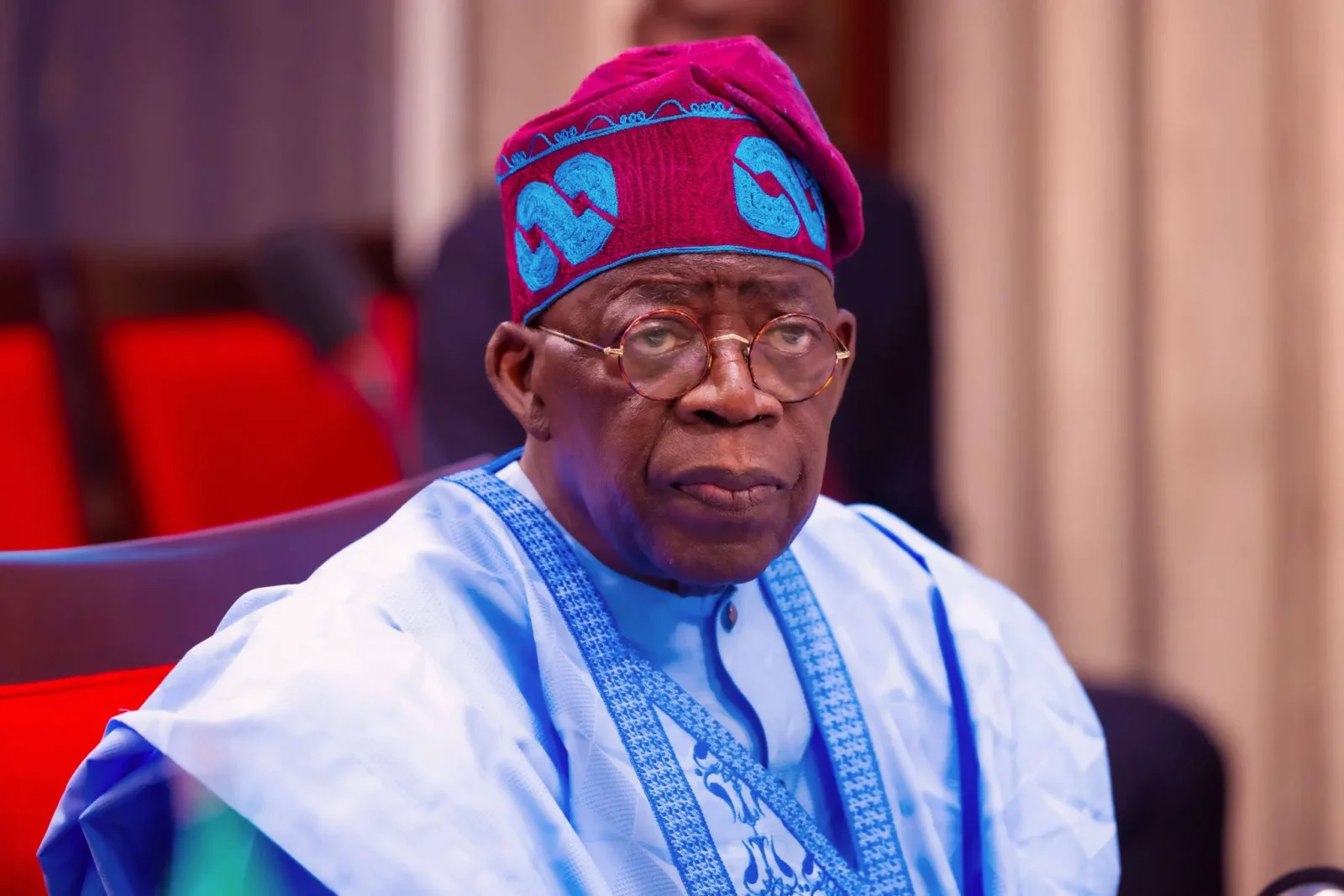
President Bola Ahmed Tinubu has ruled out a return to the former petrol subsidy regime, insisting that Nigeria must continue with its economic reforms despite calls by opposition politicians for a reversal of the policy.
Tinubu made the declaration on Monday, October 19, 2026, during an event organised by the City Boy Movement and the Relax-Tinubu-Is-Fixing-Nigeria movement in Abuja, where he defended his decision to remove petrol subsidy on his first day in office in May 2023.
Using a religious analogy drawn from the Bible and the Holy Quran, the President likened calls for a return to the subsidy regime to asking Moses to return to Egypt after leading the Israelites out of captivity.
“I remember my scripture studies, both in the Bible and in the Holy Quran. When Moses and Musa left Egypt, they faced a challenge, and the Red Sea parted and gave way. You cannot ask Moses to go back to Egypt,” Tinubu said.
He maintained that the removal of petrol subsidy was necessary to prevent the country from facing a deeper financial crisis, arguing that the government could no longer sustain the previous arrangement.
“I came, and I removed the subsidy on my first day. Nigeria would have gone bankrupt; there was nothing left to pay for subsidies,” he said.
The President also criticised political opponents promising to restore the subsidy, insisting that reversing the policy would amount to returning to an economic arrangement his administration considers unsustainable.
His remarks come amid a growing political debate over the future of petrol pricing and the broader economic reforms introduced since 2023. Opposition figures, including former Vice-President Atiku Abubakar, have advocated restoring petrol subsidies, while other political leaders have proposed alternative approaches to reducing fuel prices and easing the cost of living.
Tinubu has consistently defended his administration’s reforms, arguing that they are intended to strengthen public finances, improve economic stability and create conditions for long-term growth.
However, the removal of petrol subsidy triggered a sharp increase in pump prices, contributing to the rising cost of transportation, food distribution and other essential goods. Critics have continued to question whether the benefits of the reforms are reaching households quickly enough to offset the financial pressure on ordinary Nigerians.
At the event, Tinubu also urged young Nigerians to obtain their Permanent Voter Cards (PVCs) and participate actively in the 2027 general elections.
He called on supporters to take the administration’s message to campuses, markets and communities, encouraging them to explain its policies and achievements to prospective voters.
“Make sure every young person you know has a PVC and uses it. Tell them what we have done and tell them what we will do. Campaign with your ideas,” he said.
The President described the coming election as an opportunity for supporters to communicate their vision for the country, urging them to focus on ideas and the administration’s record.
Tinubu’s latest comments reinforce his administration’s position that there will be no return to the old petrol subsidy system. The debate, however, remains central to the 2027 political contest, with Nigerians continuing to weigh the government’s economic arguments against the immediate effects of higher fuel costs on household budgets and business operations.





Leave a comment