


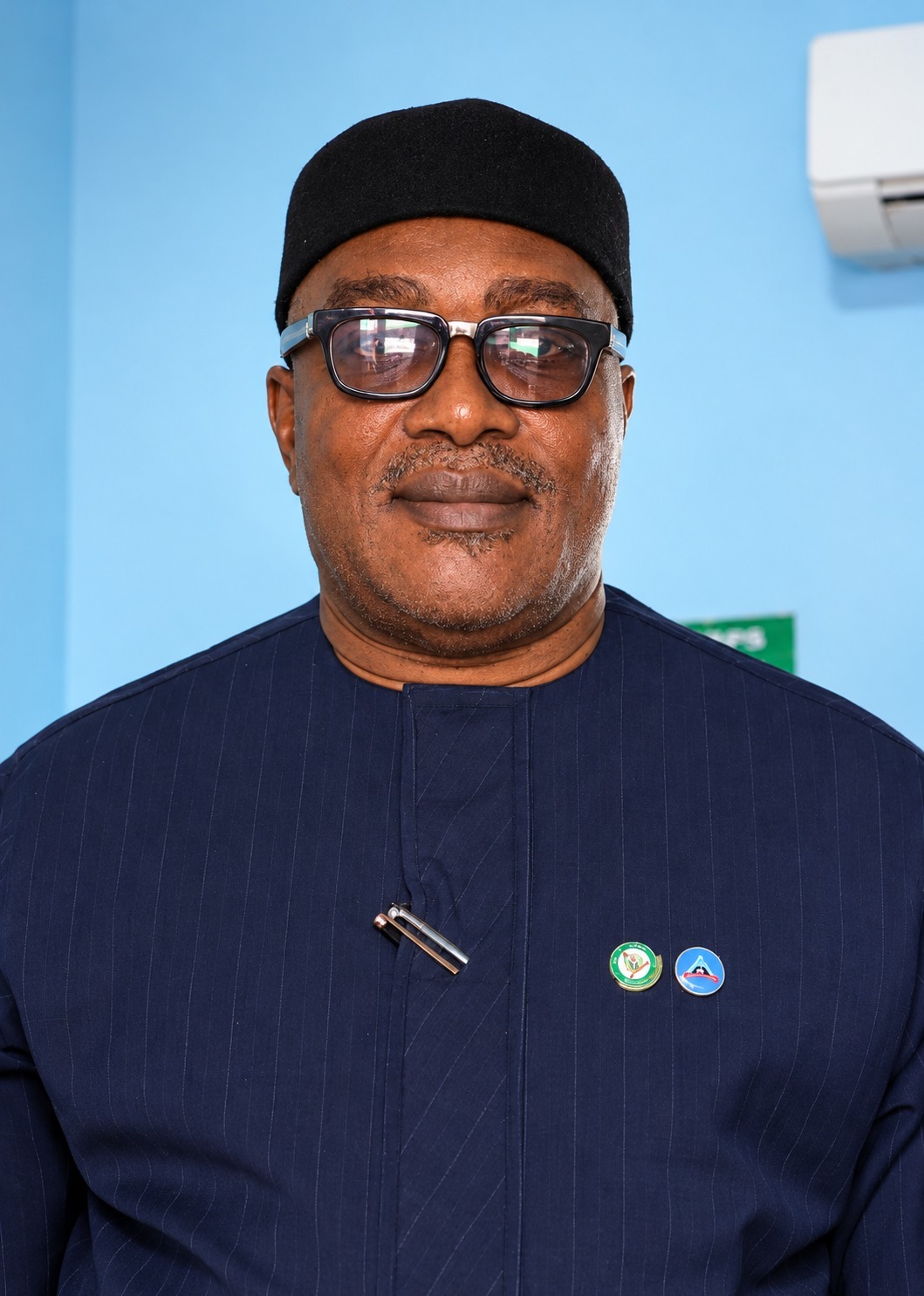
A former Director of the Department of State Services (DSS), Mike Ejiofor, has warned that Nigeria’s 2027 general election could become one of the most violent in the country’s history if growing political tension, inflammatory rhetoric and attacks involving party supporters are not urgently addressed.
Ejiofor gave the warning on Thursday during an exclusive interview on Frontline, a current affairs programme on Eagle 102.5 FM, Ilese-Ijebu, Ogun State.
He attributed the rising political tension to the high stakes surrounding the election, noting that the ruling party was determined to retain power while opposition parties were equally determined to take over government.
“This 2027 election is going to be one of the most violent in Nigeria history. The reasons are obvious. The stakes are high. The incumbent wants to continue, and the opposition wants to take over power by all means,” he said.
The former intelligence chief expressed concern over political rhetoric capable of encouraging hostility, particularly threats associated with electoral manipulation and expressions such as “rig and die”.
He said the growing political atmosphere should concern every patriotic Nigerian because of its implications for national security, stressing that politics must remain focused on public service rather than the pursuit of power through intimidation and violence.
Ejiofor clarified that he was not a politician and did not ordinarily discuss partisan politics, but said the close relationship between political developments and national security made it necessary for him to speak out.
He reminded political actors that the primary purpose of government was to promote the welfare and security of the people, urging parties to campaign on their programmes, policies and achievements instead of encouraging hostility among supporters.
He also linked growing public resentment to economic hardship, arguing that many Nigerians at the grassroots level had not been adequately informed about the government’s economic reforms and their expected long-term benefits.
According to him, although the APC-led government had defended its economic policies as necessary for laying the foundation for future growth, the immediate hardship confronting ordinary citizens remained a major source of frustration.
“The problem remains that people are hungry and the government has come out in defence of its policy that it will come with hardship but an average man on the street does not understand the macroeconomics,” he said.
He argued that government officials needed to intensify efforts to explain economic policies in ways ordinary Nigerians could understand, particularly at the grassroots.
Ejiofor further warned that attacks involving political leaders and supporters could undermine democratic participation if security agencies failed to act decisively.
He referenced reported incidents involving President Bola Tinubu at the National Mosque in Abuja, Labour Party’s 2023 presidential candidate, Peter Obi, in Delta State, and former Vice-President Atiku Abubakar.
On the incident involving Tinubu at the National Mosque, Ejiofor condemned the reported attack on the President but suggested that restrictions imposed on traders and other people around the area ahead of the presidential visit might have contributed to the tension.
He explained that people whose livelihoods depended on activities around the mosque were reportedly asked to suspend their businesses because of the President’s visit.
While acknowledging that security restrictions were necessary during presidential movements, he considered the measures around the mosque excessive and potentially aggravating.
The former DSS director also expressed concern over what he described as partisan perceptions surrounding the handling of political violence.
He observed that attacks involving opposition figures were frequently attributed to the ruling party, while incidents affecting ruling-party members were sometimes blamed on opposition supporters or angry members of the public.
He insisted that security agencies must remain politically neutral and investigate all incidents without regard to the political affiliation of those involved.
“The security agencies are expected to be neutral. You see, you are not in a military government where you have regime protection. Although, an incumbent government also needs to be protected,” he said.
Ejiofor stressed that the responsibility of security agencies should go beyond arrests to include thorough investigations, prosecution and convictions capable of deterring future offenders.
He also criticised the reported denial of campaign venues to opposition parties and the destruction of their billboards in some states, describing such actions as inconsistent with democratic principles.
To address the growing tension, he called on the Federal Government to convene a national stakeholders’ meeting involving political party leaders, civil society organisations and other relevant groups.
According to him, such a meeting would provide an opportunity to warn political actors against conduct capable of triggering violence and threatening national stability.
“I think a major stakeholder meeting should be summoned by the Federal Government, inviting all the political party leadership, civil society organisations and to warn of the consequences of certain things that are done or left undone that could lead to breakdown,” he suggested.
On security preparations for the 2027 elections, Ejiofor urged the Office of the National Security Adviser (ONSA) to strengthen coordination among the DSS, Nigeria Police Force, military, Economic and Financial Crimes Commission, Nigeria Security and Civil Defence Corps and the Independent National Electoral Commission (INEC).
He said intelligence agencies should provide timely information to identify and prevent emerging threats, while the National Security Adviser should regularly convene security meetings to assess developments and coordinate responses.
He also emphasised the need for INEC to conduct a fair and credible election, warning that allegations of bias and public distrust could deepen political frustration and potentially trigger violence.
Although he acknowledged concerns arising from the 2023 general election, he urged opposition parties to give the electoral commission an opportunity to conduct the next election.
He cited the recent off-cycle governorship elections in Osun and Anambra states as examples of electoral exercises in which, in his assessment, INEC performed well, while stressing that the 2027 general election would require an even higher level of preparedness.
Ejiofor also identified misinformation, recycled political statements and artificial intelligence-generated videos as emerging threats to electoral credibility.
He warned that old political statements and videos from previous election cycles were being recirculated as current developments to influence public opinion and mislead voters.
He therefore urged Nigerians to verify political information before sharing it, particularly content circulating on social media platforms.
The former DSS director further cautioned religious leaders, traditional rulers and civil society organisations against making public statements capable of inflaming political tensions.
His warning comes as political parties and their supporters intensify preparations for the 2027 general election, with concerns mounting over political hostility, security threats, economic hardship and the spread of misinformation.
He maintained that preventing electoral violence would require collective responsibility, political restraint, credible elections and impartial enforcement of the law.






Leave a comment