


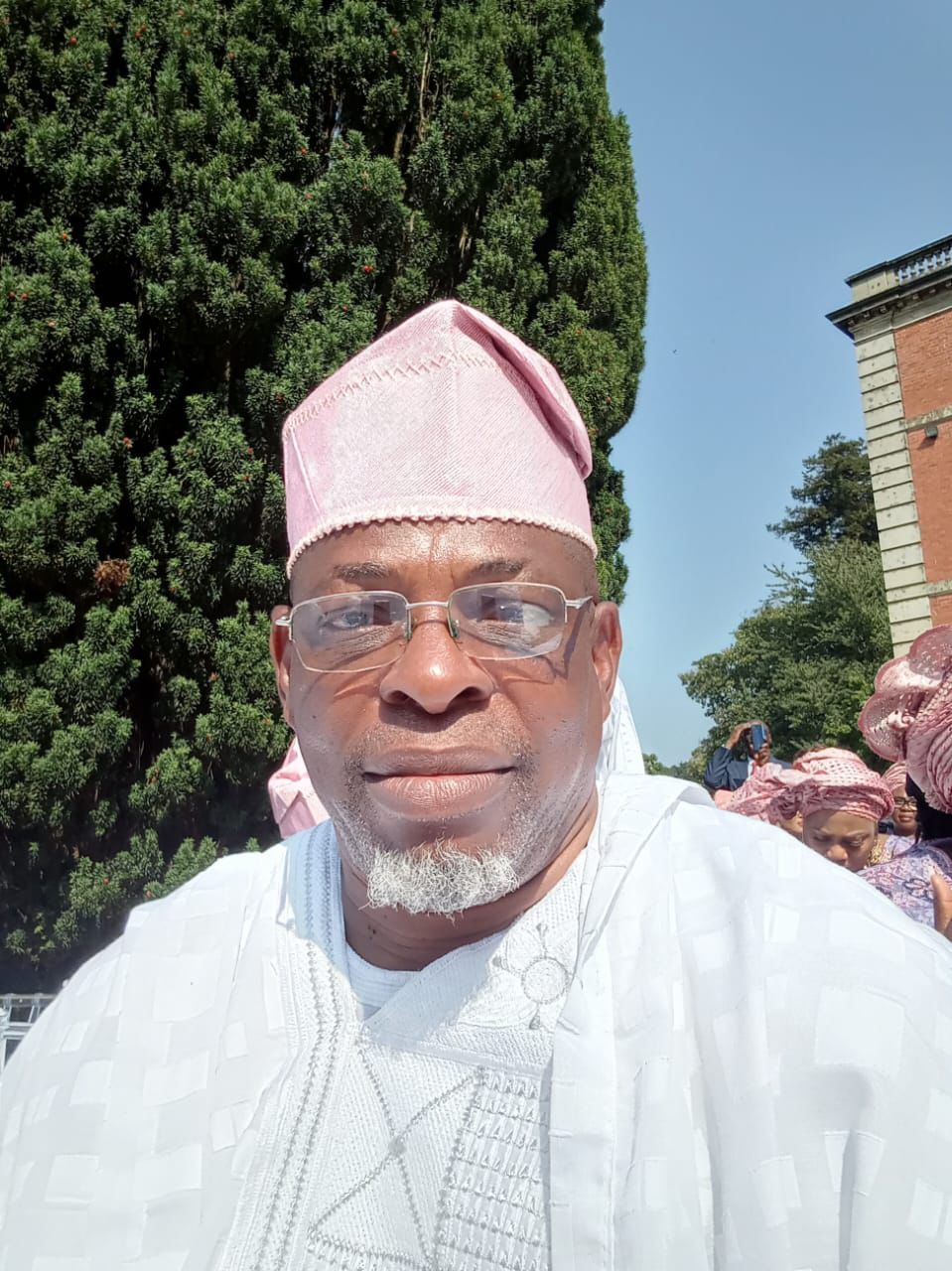
The Director of Media, Public Relations and Protocol of the Nigerians in Diaspora Commission (NIDCOM), Abdulrahman Balogun, has defended Nigeria’s continued diplomatic engagement with South Africa over recurring xenophobic attacks against Nigerians, insisting that dialogue remains the most sustainable path to resolution despite mounting frustration over repeated killings.
Speaking during an interview on Frontline, a current affairs programme on Eagle FM, Balogun acknowledged public anger over the attacks but maintained that diplomacy remains Nigeria’s preferred strategy.
“Let me just say here that there is no end to diplomacy. We’ll continue to discuss it,” he stated.
‘Attacks Have Persisted Since 1994’
Balogun described the recurring attacks as “very unfortunate” and traced the history of xenophobic violence against Nigerians in South Africa to the post-apartheid era.

According to him, successive Nigerian governments have engaged South African authorities through diplomatic missions, bilateral meetings, and parliamentary interventions in efforts to secure lasting protection for Nigerians living in the country.
“From 1994, we’ve been having these attacks up and down, and governments from that time have been trying to find a lasting solution,” he said.
He referenced major waves of violence recorded in 2000, 2009, 2014, 2019, and subsequent years, noting that delegations led by former Vice President Yemi Osinbajo and other federal officials had previously visited South Africa as part of intervention efforts.
The NIDCOM spokesperson disclosed that more than 100 Nigerians have reportedly lost their lives in different attacks in South Africa since the commission became operational in 2019.
“Since we came on board in 2019, we must have recorded over 100 Nigerians killed in all kinds of attacks in South Africa,” he said.
He clarified, however, that the most recent incident involved fewer confirmed deaths, while stressing that the broader trend remains deeply concerning.
Balogun also expressed dissatisfaction with what he described as weak accountability mechanisms in South Africa.
“I am not aware of any of those cases where perpetrators have been punished or reprimanded,” he added.
Addressing calls for retaliatory measures against South Africa, including proposals for sanctions and economic restrictions, Balogun warned that such actions could negatively affect Nigeria’s own economy.
He pointed to the strong business relationship between both countries and the presence of multinational companies operating across Nigeria and South Africa.
“If you shut it down, Nigeria will be more affected and we will hurt ourselves economically,” he argued.
The NIDCOM official maintained that emotional reactions must be balanced against long-term national and economic interests.
Balogun revealed that diplomatic discussions between both countries remain ongoing at different levels, including engagements involving Nigeria’s Ministry of Foreign Affairs and the South African High Commission in Abuja.
According to him, Nigeria continues to demand proper investigation of attacks, prosecution of offenders, protection for Nigerians abroad, and implementation of existing bilateral agreements.
He also referenced earlier efforts to establish an early-warning mechanism between both countries but noted that implementation has remained weak.
“Things are going on. Not all diplomatic shuttles are in the public space for people to know,” he said.
On evacuation efforts, Balogun disclosed that about 130 Nigerians have registered for voluntary return following renewed unrest in South Africa.
He explained that most affected individuals are informal workers, including traders, artisans, and service providers.
According to him, evacuation remains voluntary and is being coordinated through Nigeria’s diplomatic mission in South Africa, similar to previous evacuation exercises from countries such as Sudan, Libya, Ukraine, and Lebanon.
Despite growing criticism over the effectiveness of diplomacy, Balogun insisted that sustained engagement, regional cooperation, and multilateral intervention remain Nigeria’s best available tools.
He maintained that confrontation alone cannot provide a lasting solution to xenophobic violence.
According to him, Nigeria will continue working through diplomatic channels, African institutions, and bilateral agreements to seek improved protection for its citizens abroad.









Leave a comment