


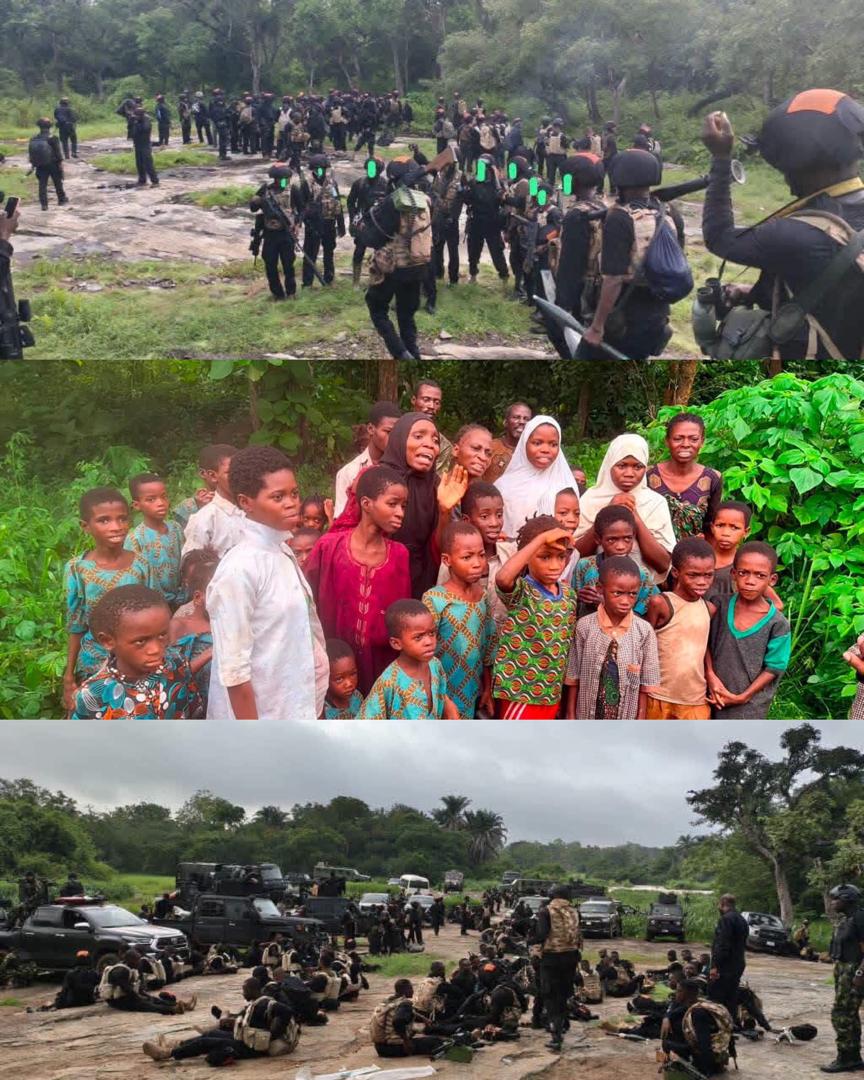
A major breakthrough has been recorded in Nigeria’s counter-terrorism efforts following the unconditional release of schoolchildren and their teachers abducted by suspected Ansaru terrorists in Oyo State nearly two months ago.
The victims regained their freedom at about 6:00 p.m. on July 10, 2026, after an extensive joint security operation that combined military precision, intelligence gathering and inter-agency collaboration within the vast Oyo National Forest.

The children and their teachers were kidnapped on May 15, 2026, an incident that sparked widespread concern across the country. In response, President Bola Ahmed Tinubu directed security agencies to ensure their safe rescue, prompting the establishment of a Defence Headquarters-led Joint Inter-Agency Task Force (JIATF).
The task force brought together specialised personnel from the Nigerian Army, Nigerian Navy, Nigerian Air Force, the Office of the National Security Adviser (ONSA), the Nigeria Police Force, Department of State Services (DSS), National Intelligence Agency (NIA), Nigeria Security and Civil Defence Corps (NSCDC), and the Defence Intelligence Agency (DIA).
Military authorities disclosed that unlike conventional rescue missions that may rely on rapid assaults, commanders deliberately adopted a cautious, intelligence-led strategy aimed at safeguarding the lives of the hostages.
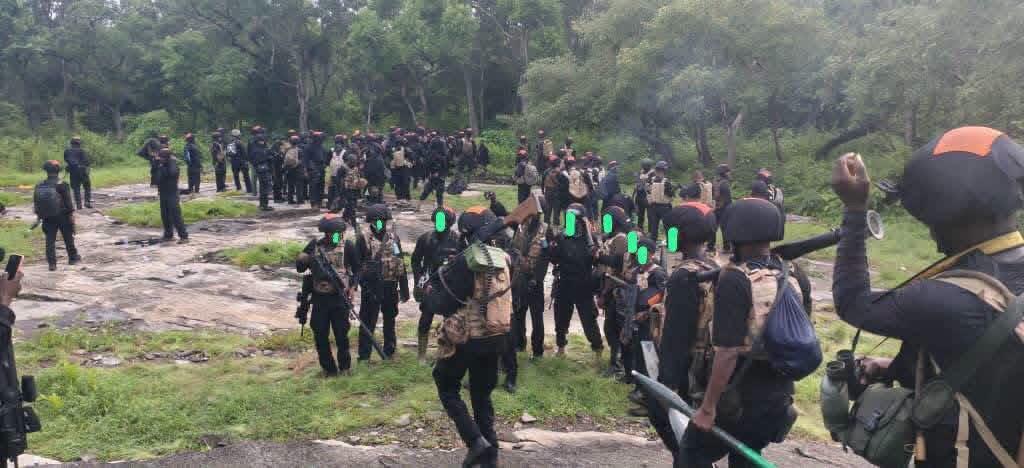
Under the coordination of the General Officer Commanding 2 Division and the oversight of Defence Headquarters, troops advanced gradually through the difficult terrain of the Oyo National Forest, maintaining a sustained operational presence for several weeks.
Security sources said the forces systematically mapped terrorist positions, identified supply routes and monitored communication channels while carefully avoiding actions that could jeopardise the safety of the abducted children and their teachers.
The operation was further strengthened by continuous Intelligence, Surveillance and Reconnaissance (ISR) support provided through ONSA and coordinated air support from the Nigerian Air Force, Nigerian Navy and the Nigeria Police Force.
Through these efforts, security forces reportedly identified and neutralised critical terrorist infrastructure, including logistics hubs, communication networks and strategic hideouts used by the insurgents.
Authorities revealed that the operation extended beyond the forest itself, with security agencies dismantling support structures linked to the terrorist group. Several suspected collaborators, informants and logistics suppliers operating in communities surrounding the forest were apprehended, while investigations also targeted individuals believed to have maintained links with the group in other parts of the country.
The sustained pressure significantly weakened the terrorists’ operational capacity, leading to internal disarray within the camp. Security officials disclosed that the loss of key operatives, disruption of supply lines and growing isolation triggered widespread defections among the fighters.
With their support network dismantled and their operational capabilities severely degraded, the remaining members of the group eventually released the captives without conditions.
Defence authorities stressed that the duration of the operation should not be interpreted as a delay but rather as a deliberate strategy designed to maximise the chances of rescuing the hostages unharmed.

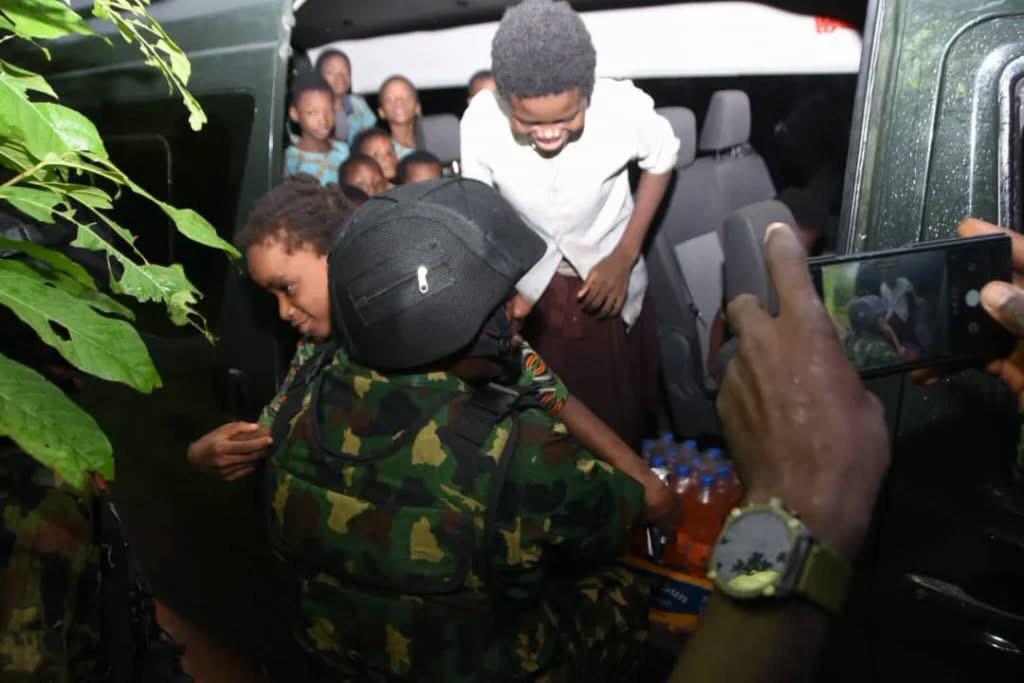
The released children and teachers are currently undergoing medical examinations and receiving psychosocial support before being formally handed over to the Oyo State Government for reunification with their families.
Security officials described the outcome as a significant demonstration of the effectiveness of intelligence-driven counter-terrorism operations and the growing synergy among Nigeria’s security and intelligence agencies.
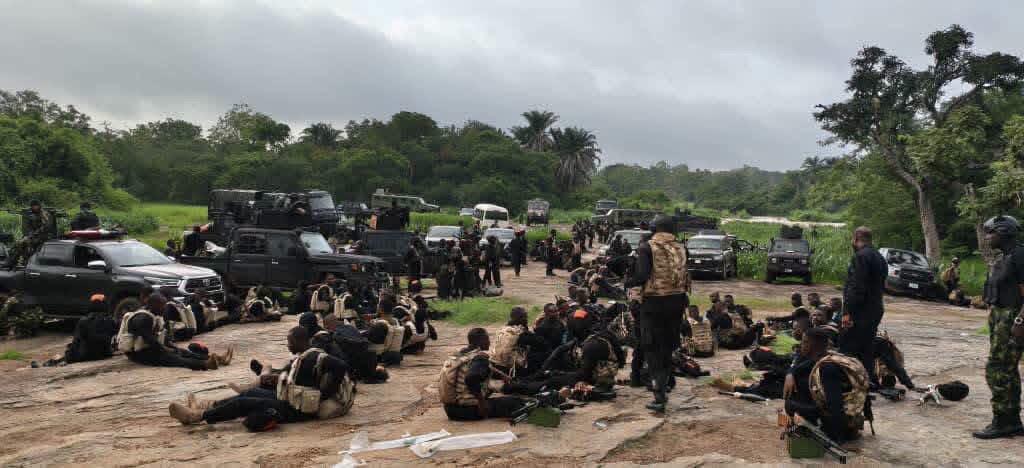
They noted that the mission highlights the Armed Forces’ ability to combine patience, precision and coordination in resolving complex hostage situations while prioritising the safety of innocent civilians.






Leave a comment