


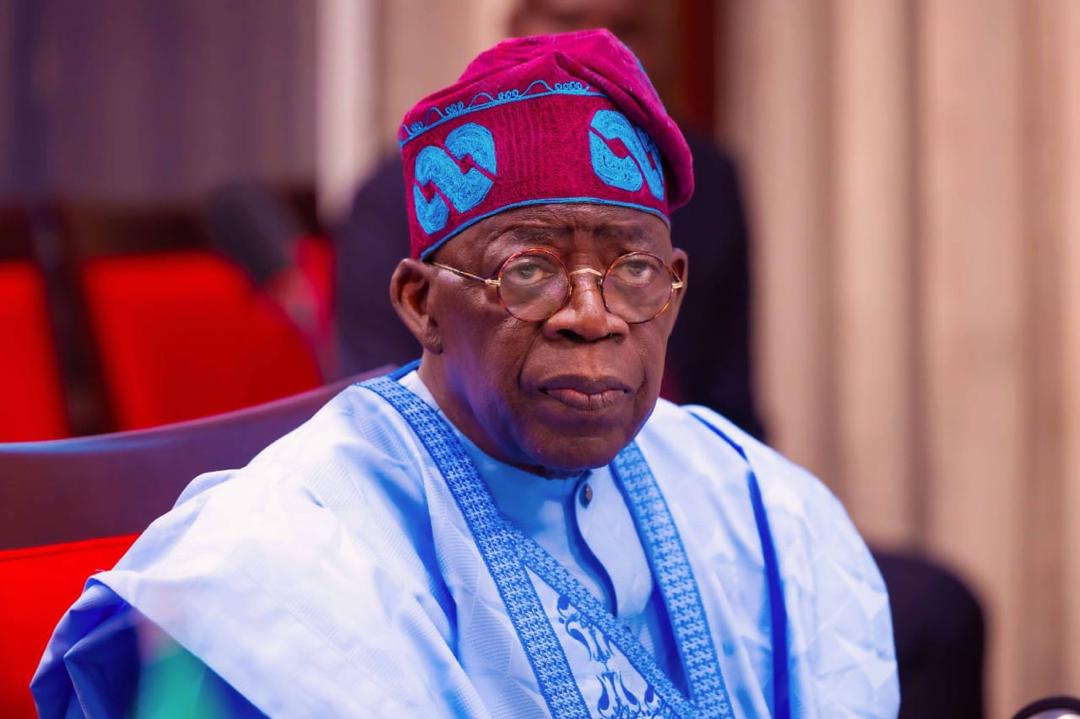
The Federal Government has dismissed allegations by a coalition of opposition leaders that Nigeria’s anti-corruption and security agencies are being weaponised for political purposes, describing the claims as subterfuge by a “failed opposition” searching for scapegoats.
In a State House press release issued on Sunday by the President’s Special Adviser on Information and Strategy, Bayo Onanuga, the Presidency said opposition politicians were attempting to confuse the polity and distract Nigerians from what it described as the gains of President Bola Tinubu’s reform agenda.
According to the statement, politicians defecting to the ruling All Progressives Congress (APC) have done so voluntarily, driven by confidence in the government’s policies. The Presidency argued that Nigeria’s constitution guarantees freedom of association and questioned claims that democracy is under threat simply because politicians are changing parties.
The Federal Government also rejected accusations that the Economic and Financial Crimes Commission (EFCC) is being used to target opposition figures, insisting that the agency remains independent and operates within its statutory mandate. It maintained that President Tinubu does not issue directives on who should be investigated or prosecuted and that anyone with questions to answer should defend themselves through due process.
“The prosecution is conducted by the courts,” the Presidency said, adding that no one is above the law and that political affiliation should not shield anyone from accountability.
The government further noted that some of the opposition figures raising concerns had been investigated or prosecuted by the EFCC even before President Tinubu assumed office in 2023, while others had been linked to international financial probes. It described the allegations of “weaponisation” as a diversion from substantive campaign issues ahead of the next general elections.
Opposition Raises Alarm
The Presidency’s response followed a joint statement by a coalition of opposition leaders, including former Senate President David Mark, former Vice President Atiku Abubakar, Mallam Lawal Batagawara, Chief Bode George, Labour Party’s Peter Obi, and former APC National Chairman Chief John Odigie-Oyegun.
The opposition accused the APC-led government of deploying institutions such as the EFCC, the Nigeria Police Force, and the Independent Corrupt Practices and Other Related Offences Commission (ICPC) for “systematic persecution of opposition leaders,” warning that selective justice threatens Nigeria’s multiparty democracy ahead of the 2027 elections.

They argued that allegations involving ruling party figures are often ignored, while opposition figures face aggressive investigations and media trials. As examples, the coalition cited former ministers who resigned after public pressure over alleged scandals but, months later, have yet to be charged.
One case involved a former minister implicated in a financial scandal who, according to the statement, remains active in the President’s re-election campaign despite no prosecution. Another concerned a minister who resigned only after a university publicly denied the authenticity of his academic certificate, yet has not been charged months after leaving office.
The opposition warned that such patterns undermine public trust in anti-corruption efforts and fuel perceptions of selective enforcement.

Concerns Over EFCC Independence
The coalition further alleged that the independence of the EFCC is being eroded, with the agency at risk of being perceived as a political tool rather than a neutral institution for accountability. They warned that unresolved social and political injustice could escalate into unrest as the country approaches another election cycle.
In response, the Presidency maintained that the EFCC’s work has strengthened Nigeria’s global standing, citing the country’s recent removal from the Financial Action Task Force (FATF) grey list as evidence of credible anti-corruption reforms.
Calls for Reform and Vigilance
While defending government actions, the Presidency urged politicians not to undermine national institutions or politicise the fight against corruption. It described the anti-graft campaign as a collective responsibility that should not be trivialised by what it called baseless narratives.

On their part, the opposition leaders called for sweeping reforms, including the depoliticisation of the EFCC, the establishment of an independent review body to audit public accounts from 2015 to 2025, and safeguards to prevent Nigeria from drifting toward a de facto one-party state.
As both sides trade accusations, the dispute underscores rising political tension ahead of the 2027 general elections, with governance, accountability, and the independence of state institutions emerging as central issues in the national debate.









Leave a comment