


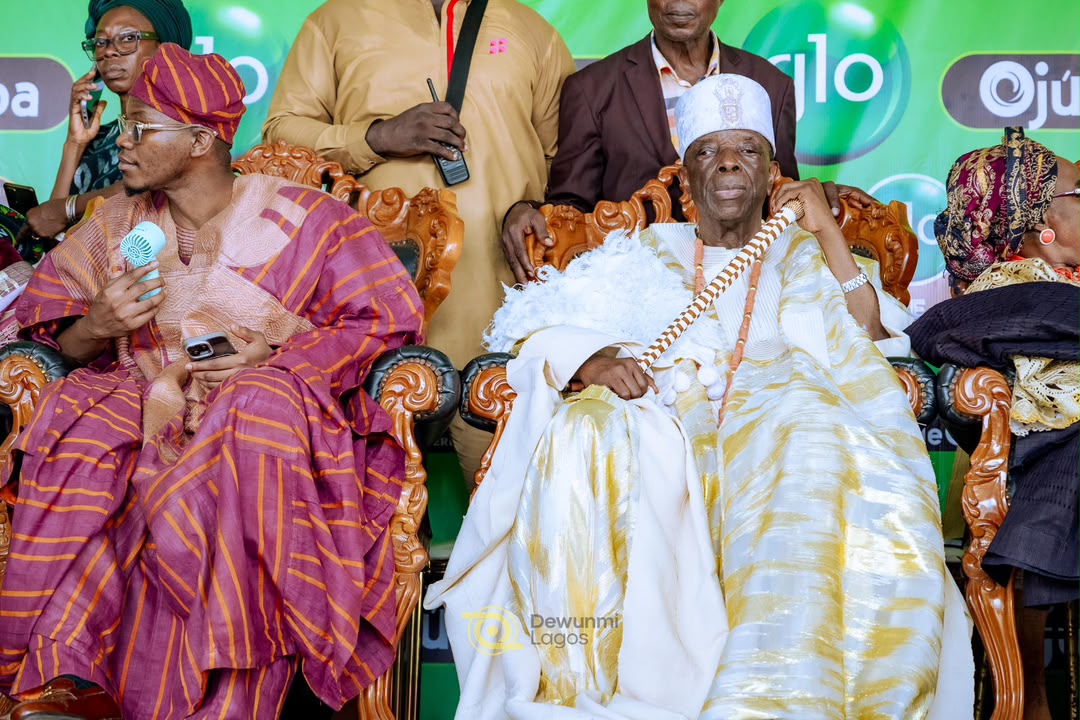
The 2026 Ojude Oba Festival was more than an annual cultural gathering. It was a powerful statement of continuity, resilience and identity.
Held on Friday, May 29, 2026, in the ancient city of Ijebu-Ode, Ogun State, the globally acclaimed festival returned under extraordinary circumstances. For the first time in more than six decades, the celebration took place without the physical presence of the Awujale and Paramount Ruler of Ijebuland, Oba Sikiru Kayode Adetona, whose passing in July 2025 ended one of the longest and most influential reigns in Nigerian traditional history.
Yet, rather than diminish the significance of the festival, the absence of the revered monarch amplified its meaning.
Under the theme, “Celebrating the Legacy of Oba Sikiru Adetona,” thousands of sons and daughters of Ijebuland, alongside visitors from across Nigeria and beyond, converged on Ijebu-Ode to honour a monarch whose 65-year reign transformed Ojude Oba from a local homage-paying ceremony into one of Africa’s most recognised cultural festivals.
From the early hours of the day, the city wore a festive look. Major roads leading into Ijebu-Ode were filled with colourful processions, luxury vehicles, traditional drummers, horse riders, tourists and media crews documenting what has increasingly become one of Nigeria’s most important cultural exports.
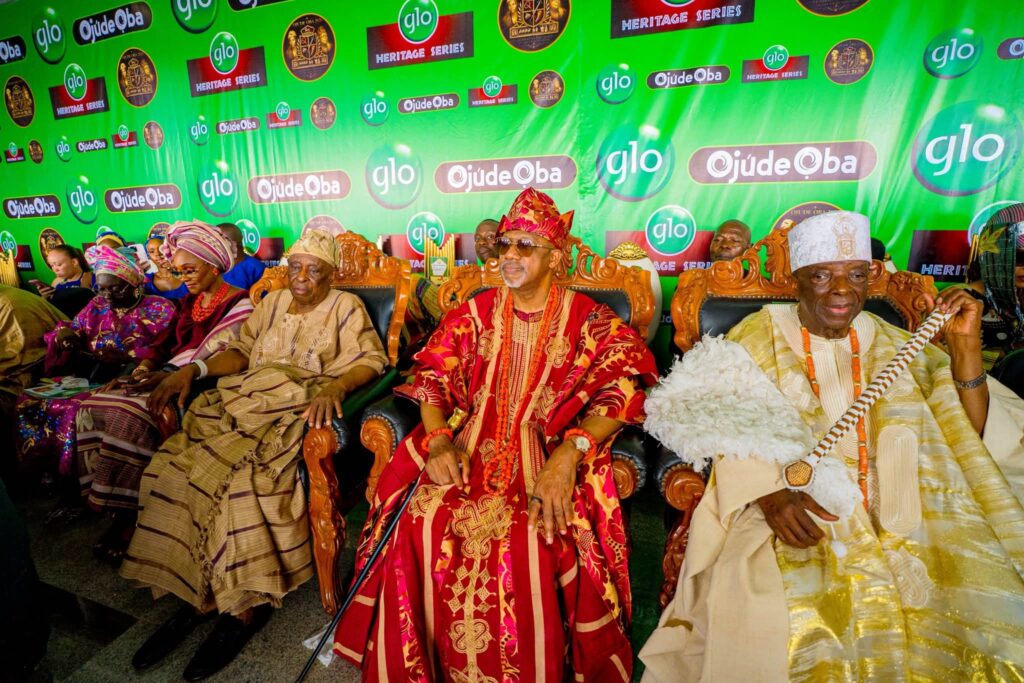
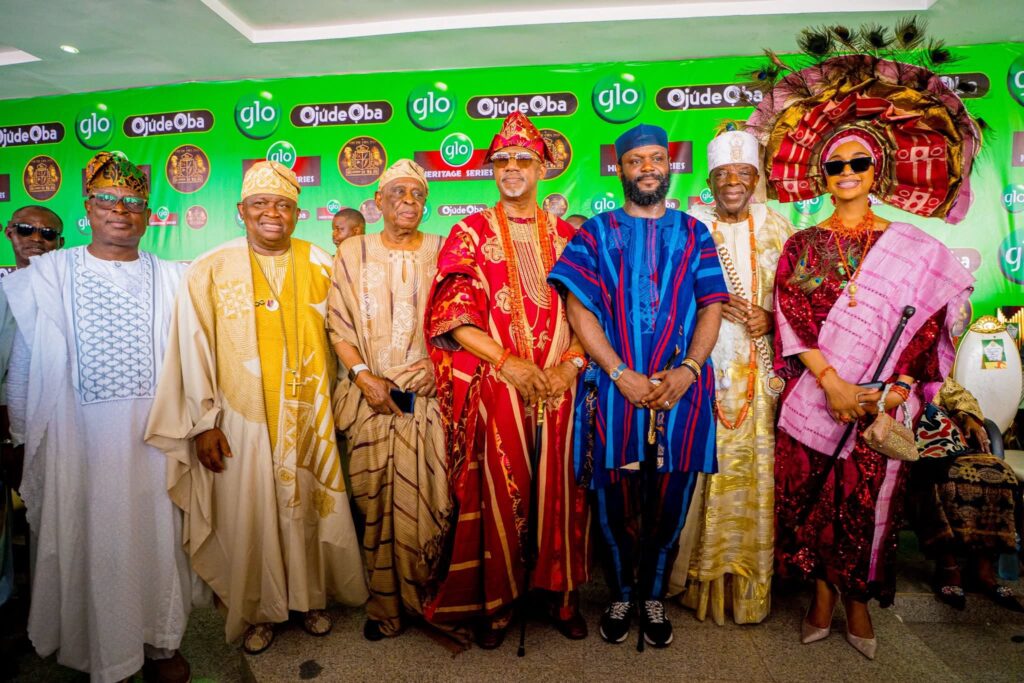
With the Awujale stool temporarily vacant and the selection process for a new monarch still unresolved, the responsibility of presiding over the festival fell on the shoulders of the Afobaje Kingmakers led by the Ogbeni Oja of Ijebuland, Olorogun Dr. Sunny Kuku.
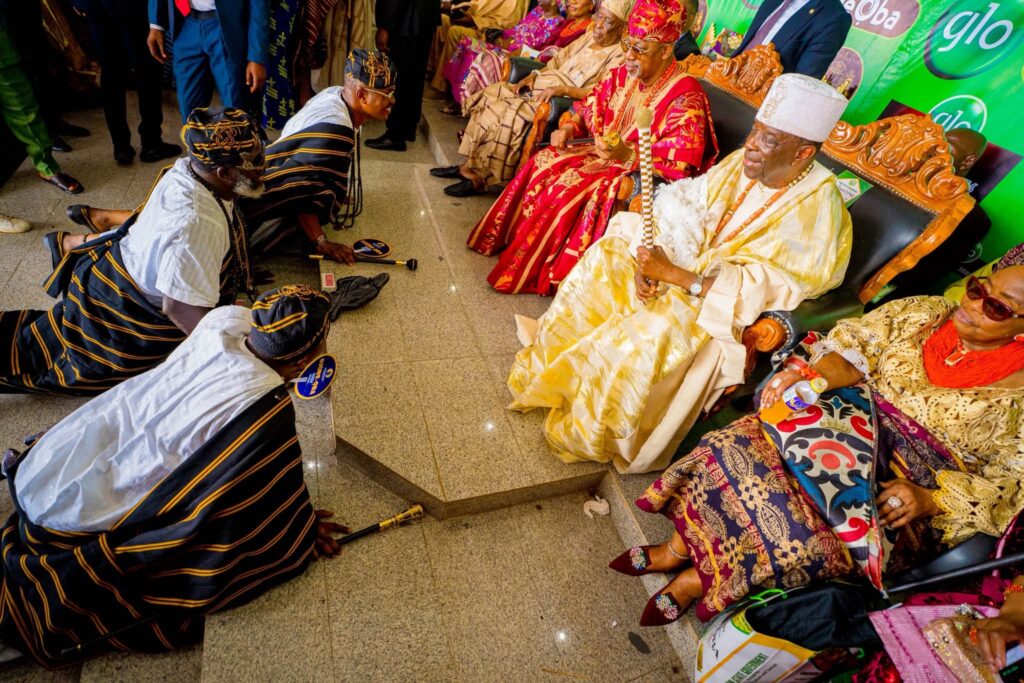
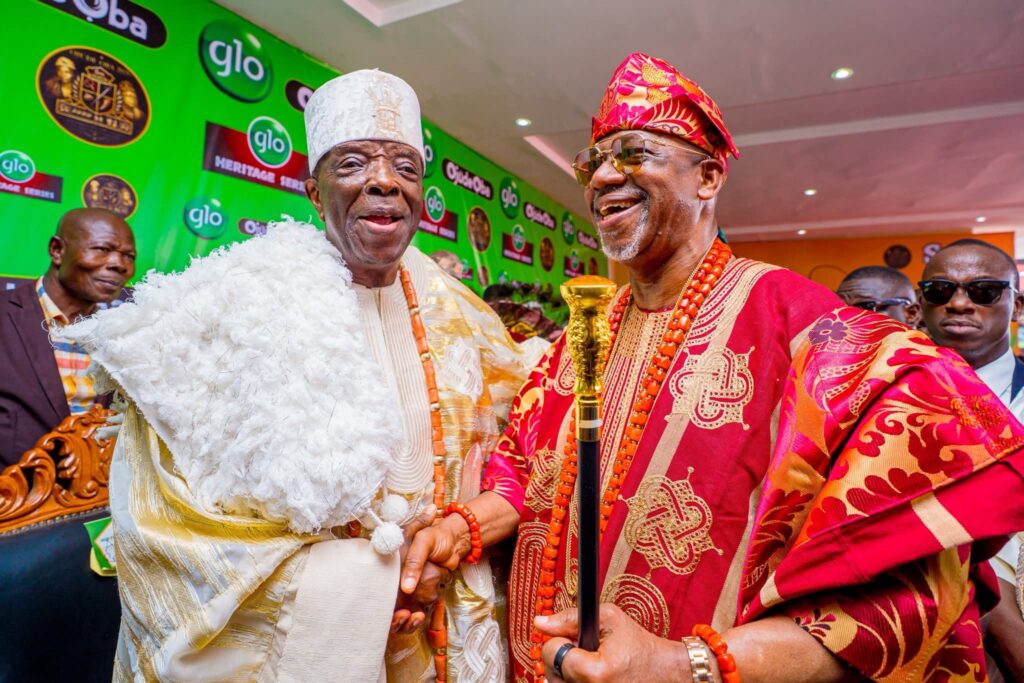
Representing the traditional institution, Chief Kuku received the homage of the people and delivered a message that resonated throughout the day. He described the late Awujale as a visionary leader whose wisdom, courage and commitment elevated Ijebuland’s cultural heritage to global prominence.
His presence at the pavilion symbolised more than ceremonial leadership; it demonstrated the strength of traditional institutions and reassured the world that the cultural heartbeat of Ijebuland remains strong despite the ongoing royal transition.
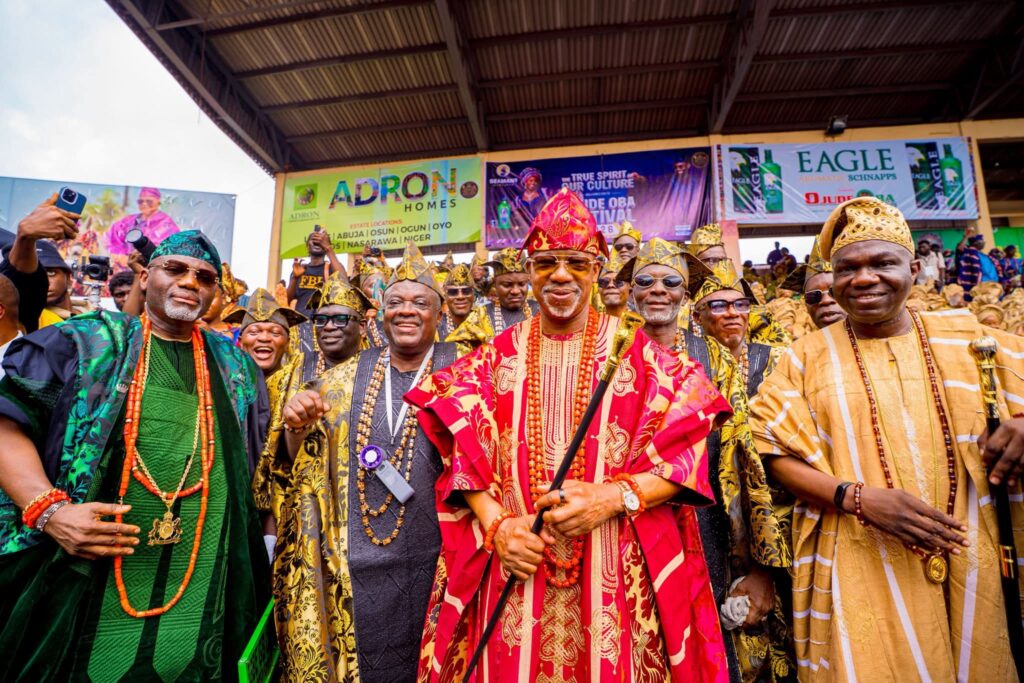
The festival’s main arena, the Awujale Pavilion opposite the royal palace, quickly became a spectacle of colour, elegance and tradition.
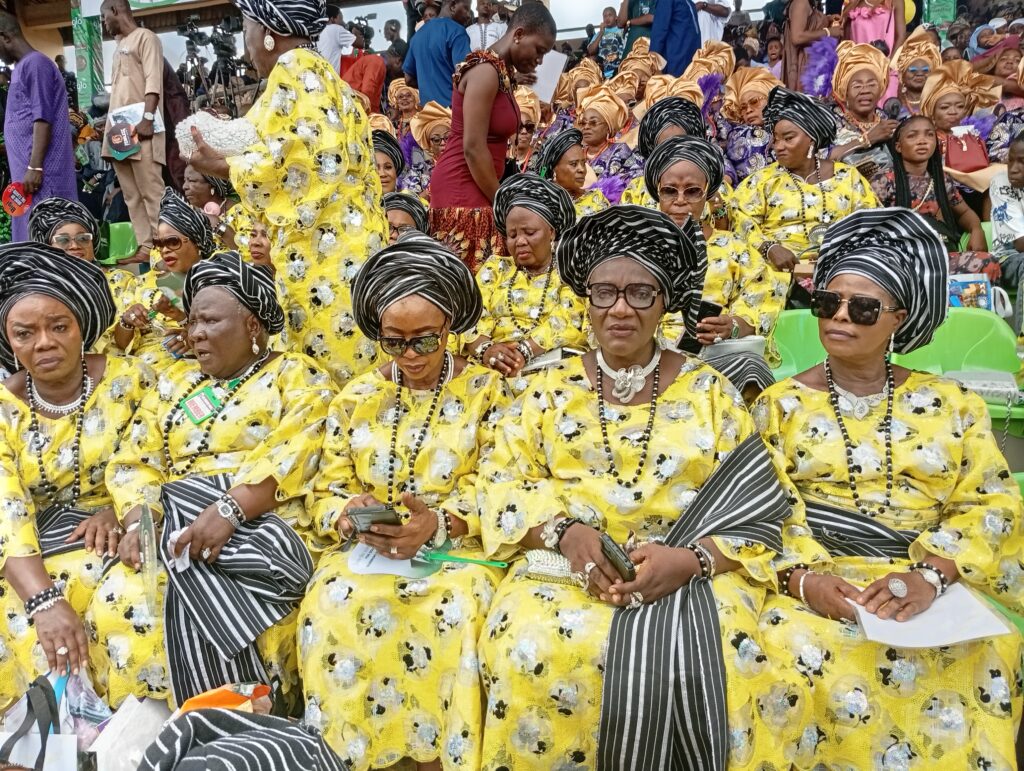
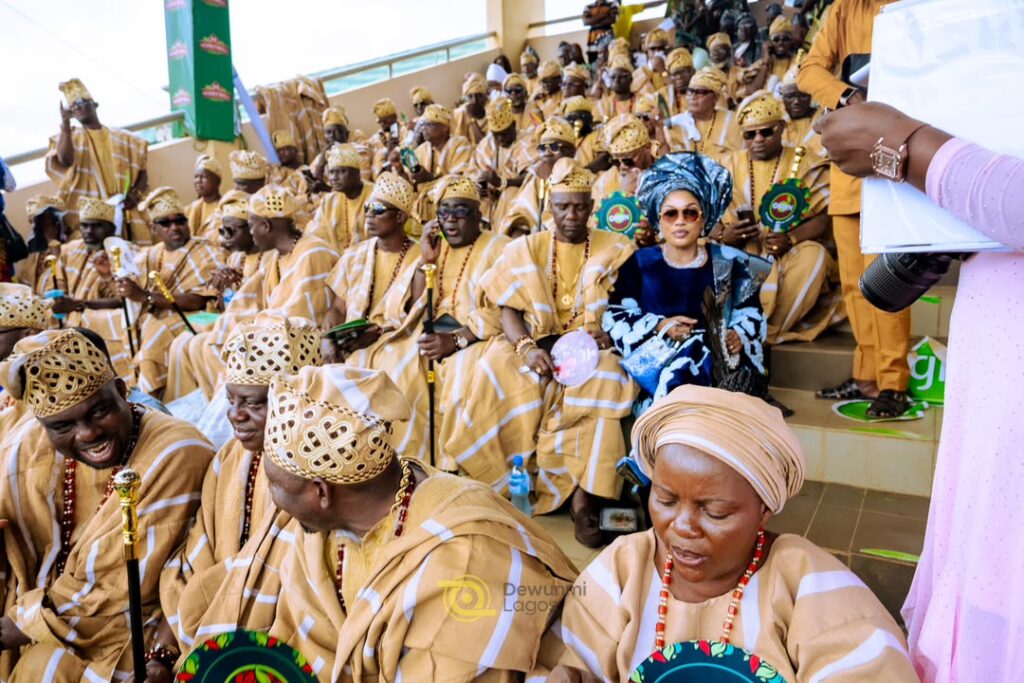
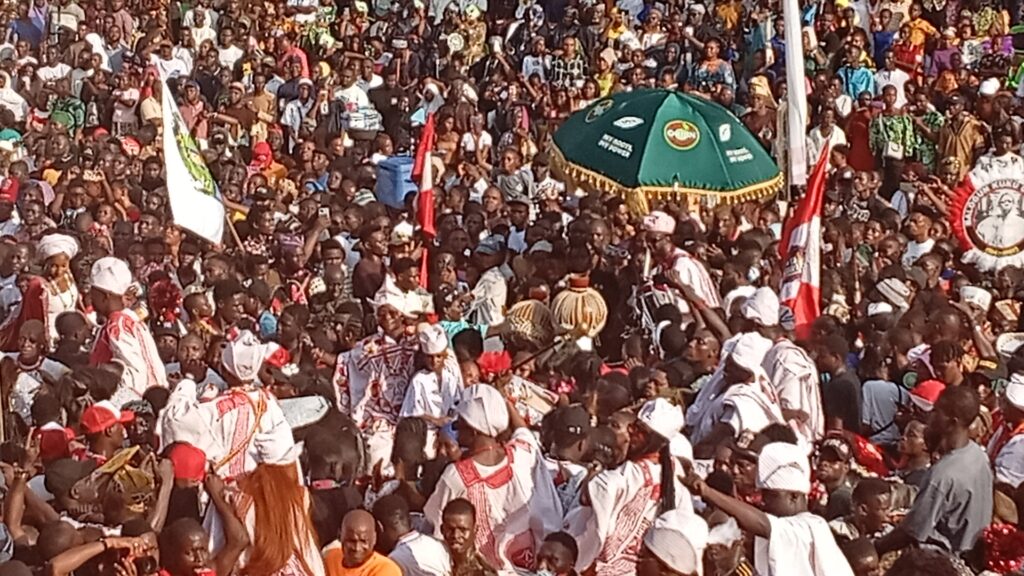
The famous Regberegbe age-grade groups, which have served for centuries as pillars of social organisation within Ijebu society, dominated the opening phase of the celebration. More than 90 groups appeared in coordinated attire, showcasing breathtaking combinations of aso-oke, lace, damask, sanyan and alaari fabrics.
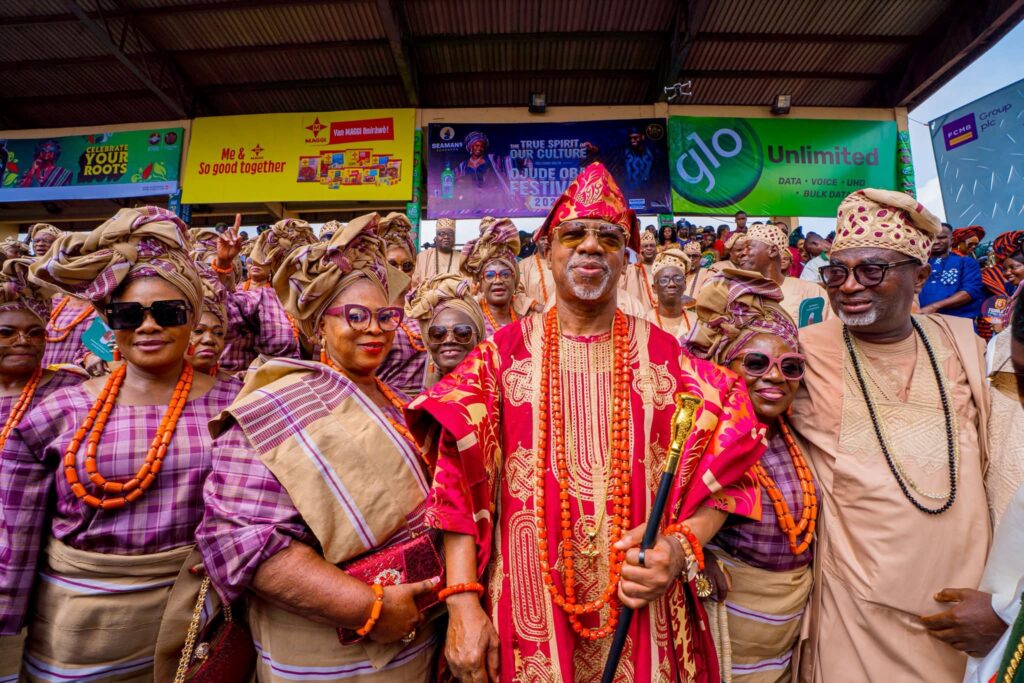
Each group competed not only in fashion but also in presentation, cultural expression and collective pride. Women adorned with coral beads, elaborate gele and handcrafted fans marched alongside distinguished elders and young professionals, reflecting the intergenerational nature of the institution.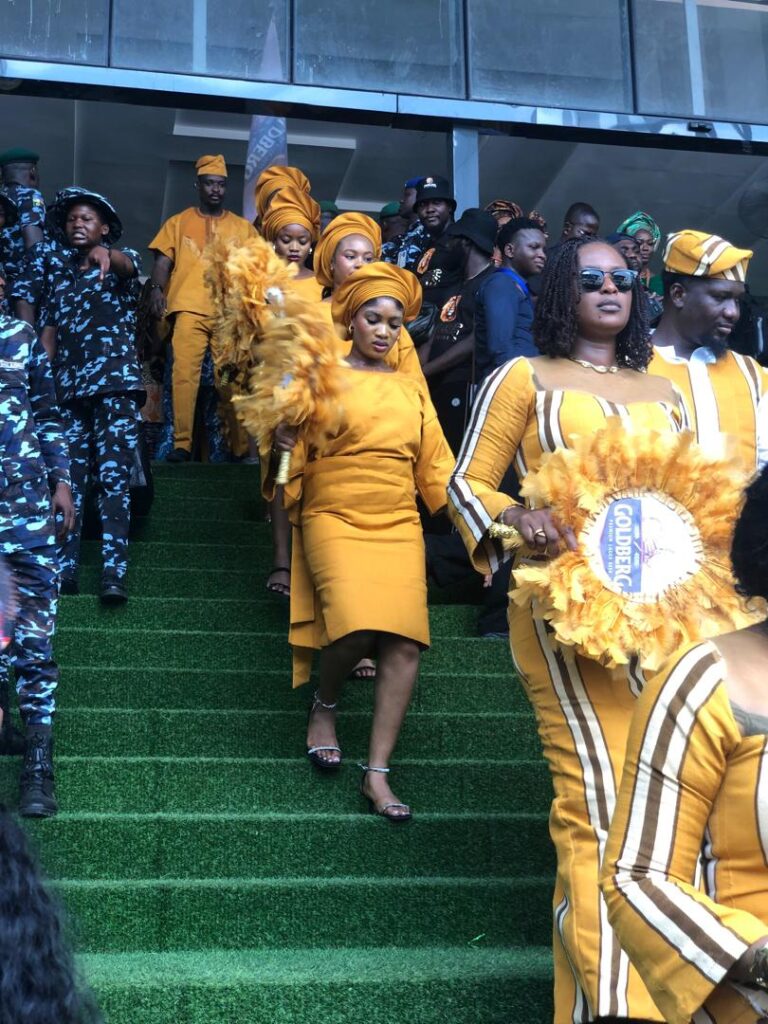
The procession represented one of the festival’s most enduring strengths — its ability to unite the old and the young, the wealthy and the ordinary, under a shared cultural identity.
If the Regberegbe parade displayed elegance, the Balogun horse-riding families delivered spectacle.
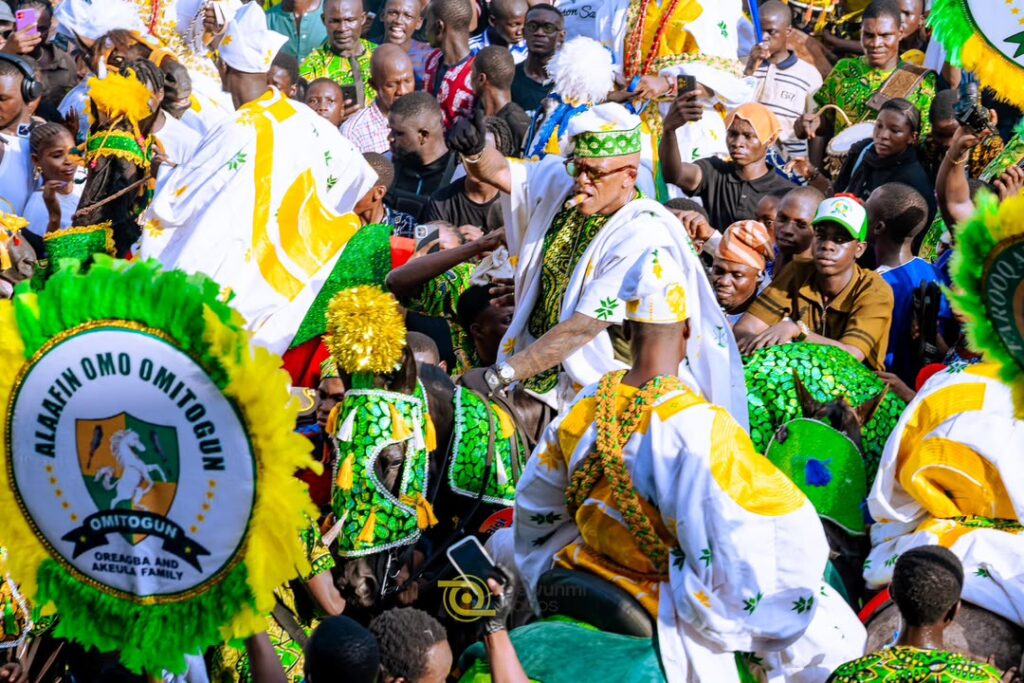
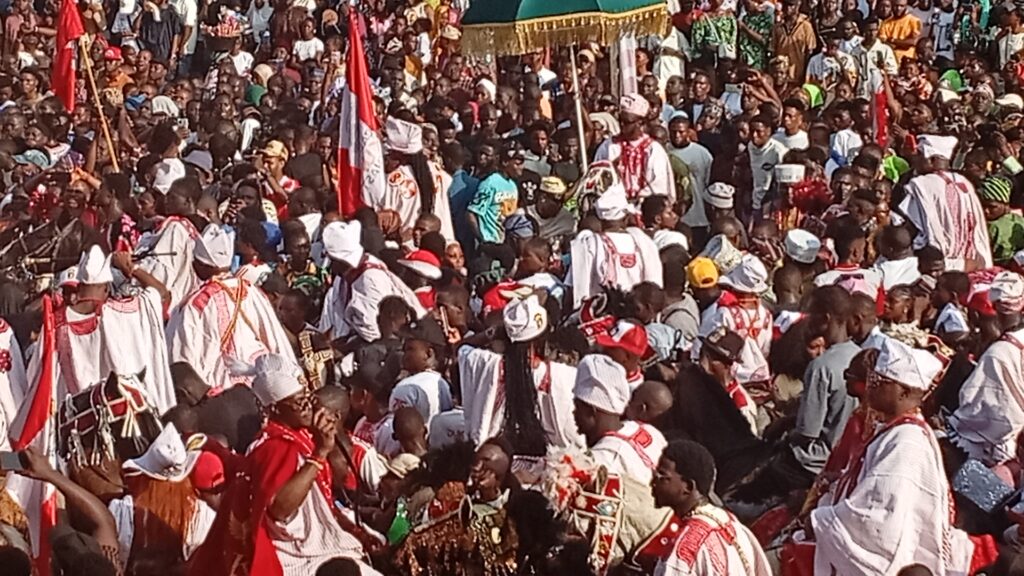

The arrival of the famed warrior families transformed the pavilion into a theatre of history and power. Descendants of ancient military commanders rode magnificently decorated horses through cheering crowds while traditional drummers, praise singers and gun salutes announced their presence.
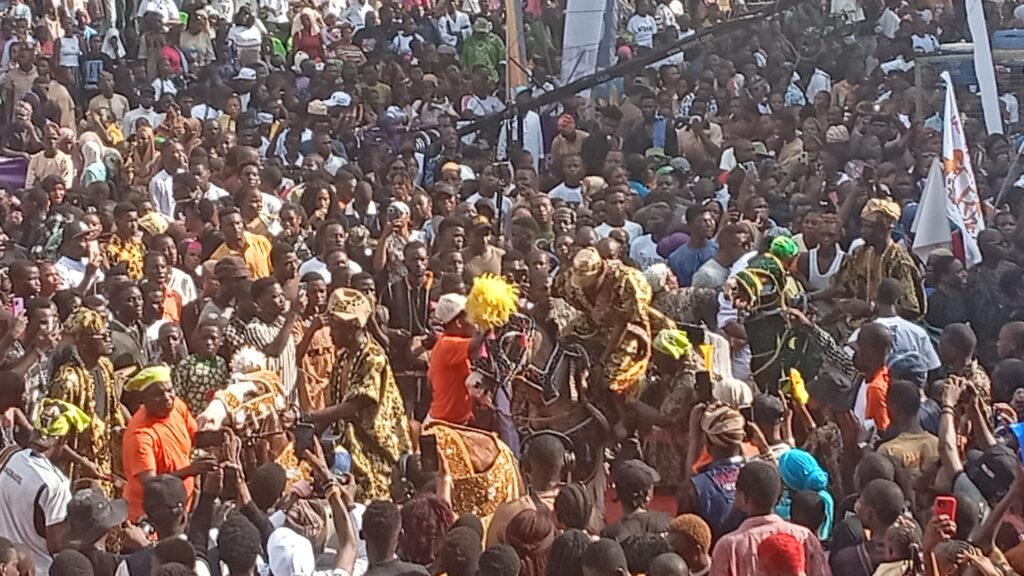
For many attendees, the horse-riding displays remained the defining image of Ojude Oba.
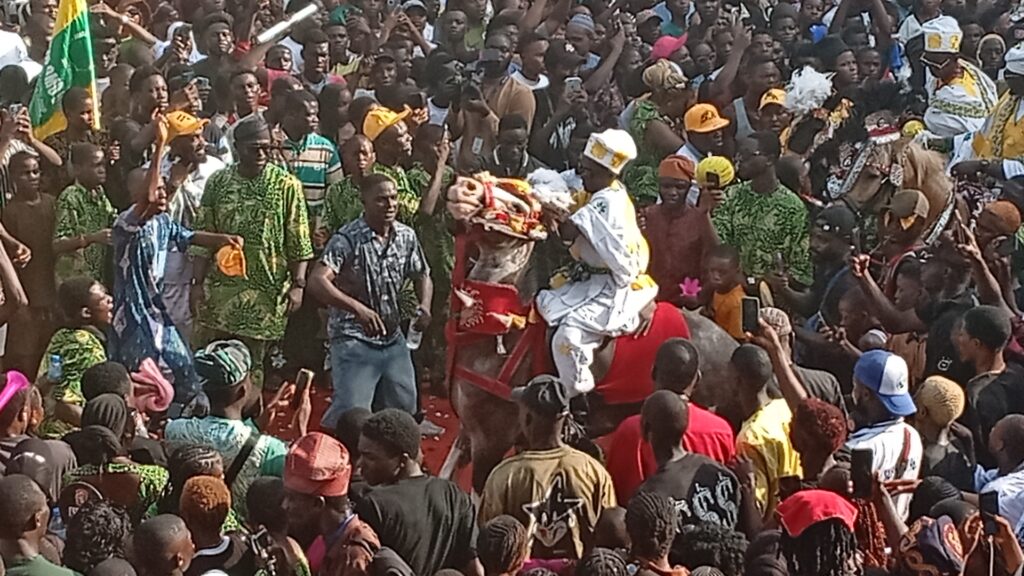
No rider generated more excitement than Farooq Oreagba, whose return to the festival once again captivated social media audiences around the world.
Already celebrated internationally following his viral appearances in previous editions, Oreagba arrived in signature style, dressed in an exquisitely crafted aso-oke ensemble complemented by silver accessories, dark aviator glasses and a commanding presence that instantly drew cameras and admirers.
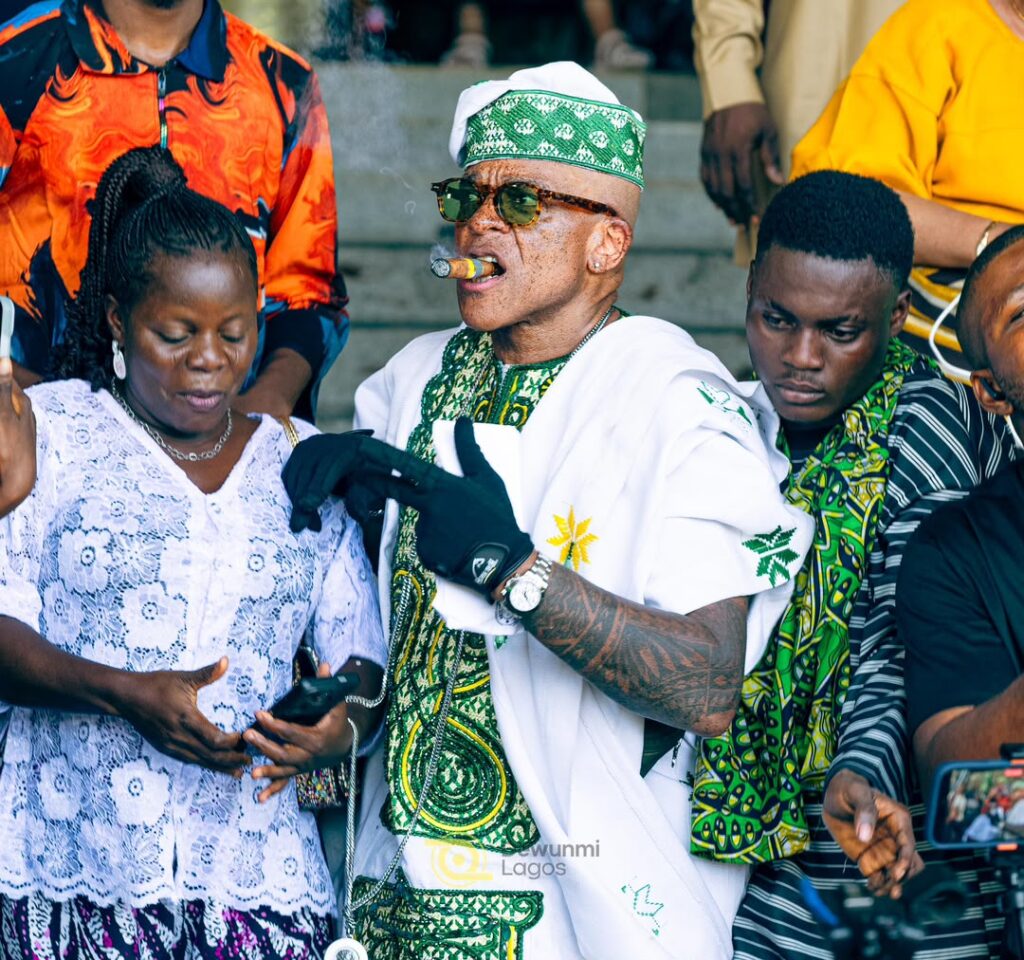
His appearance once again reinforced Ojude Oba’s growing influence as both a cultural and fashion phenomenon.
Beyond the pageantry, the economic impact of the festival was impossible to ignore.
Hotels across Ijebu-Ode and neighbouring towns reportedly reached full occupancy weeks before the event. Restaurants, transport operators, fashion designers, artisans and local traders experienced a significant surge in patronage as visitors flooded the city.
Informal accommodation networks also flourished, with many residents opening their homes to guests and diaspora visitors seeking lodging during the festivities.
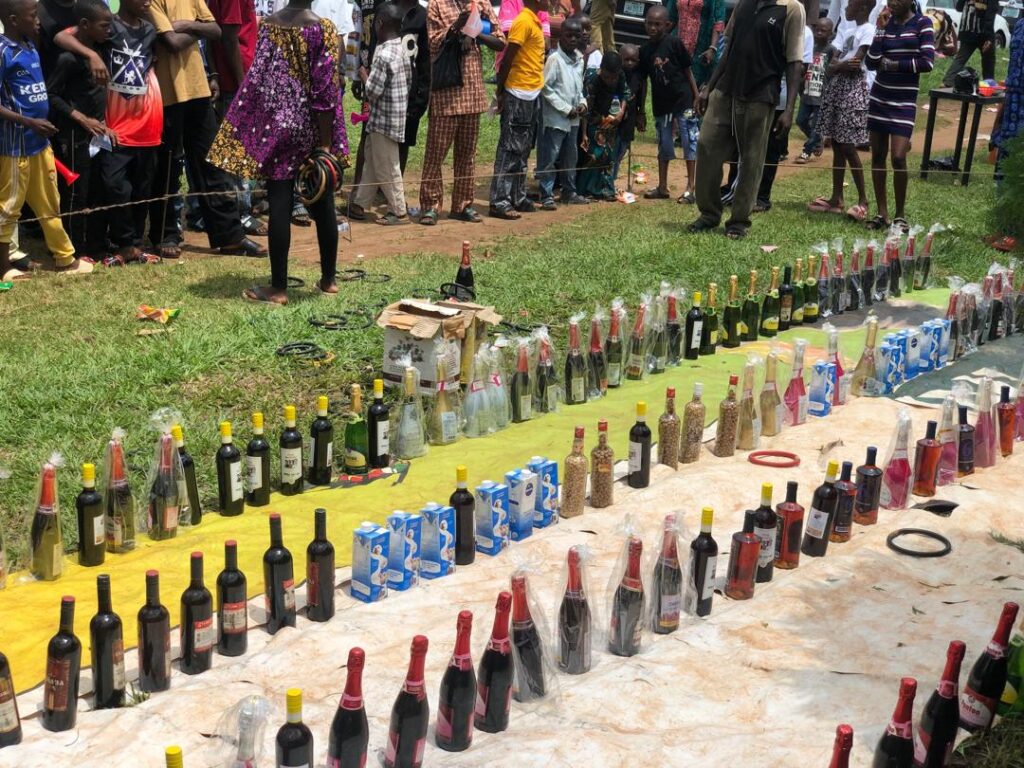
Across Awujale Street, Itoro, Folagbade Road and adjoining neighbourhoods, commercial activities continued deep into the night, creating what many observers described as one of the largest temporary cultural economies in Nigeria.
Governor Dapo Abiodun, who attended the festival alongside political leaders, traditional rulers and business executives, described Ojude Oba as a major tourism and economic asset for Ogun State.
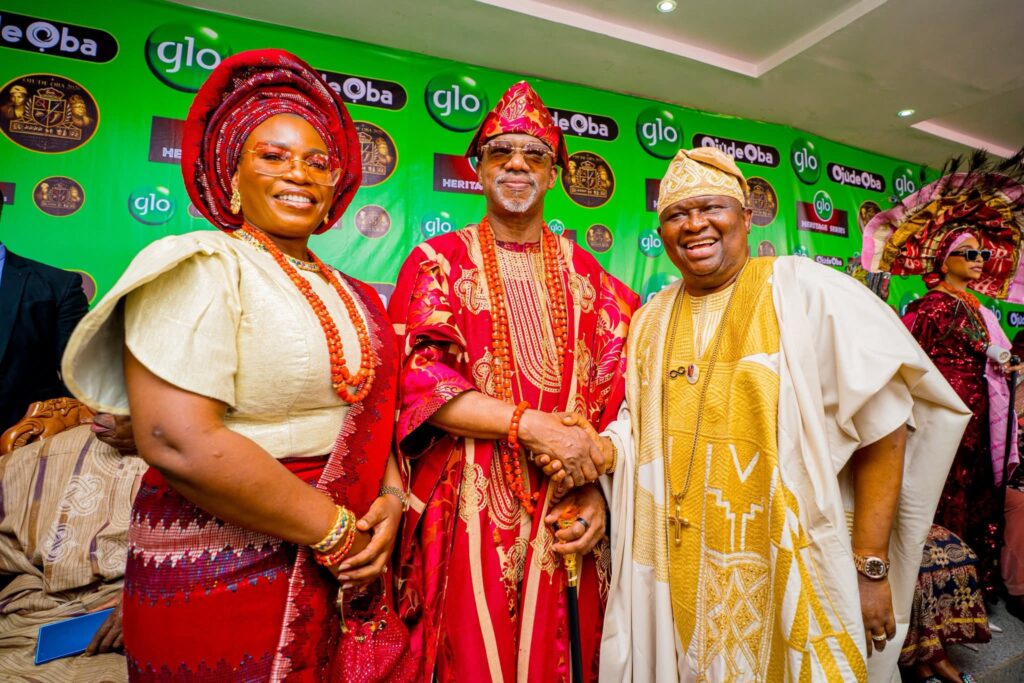
According to the governor, the festival continues to position Ogun State as a leading cultural tourism destination while creating opportunities for local businesses and promoting global awareness of Yoruba heritage.
The commercial significance of the event was further reflected in the extensive participation of corporate organisations.

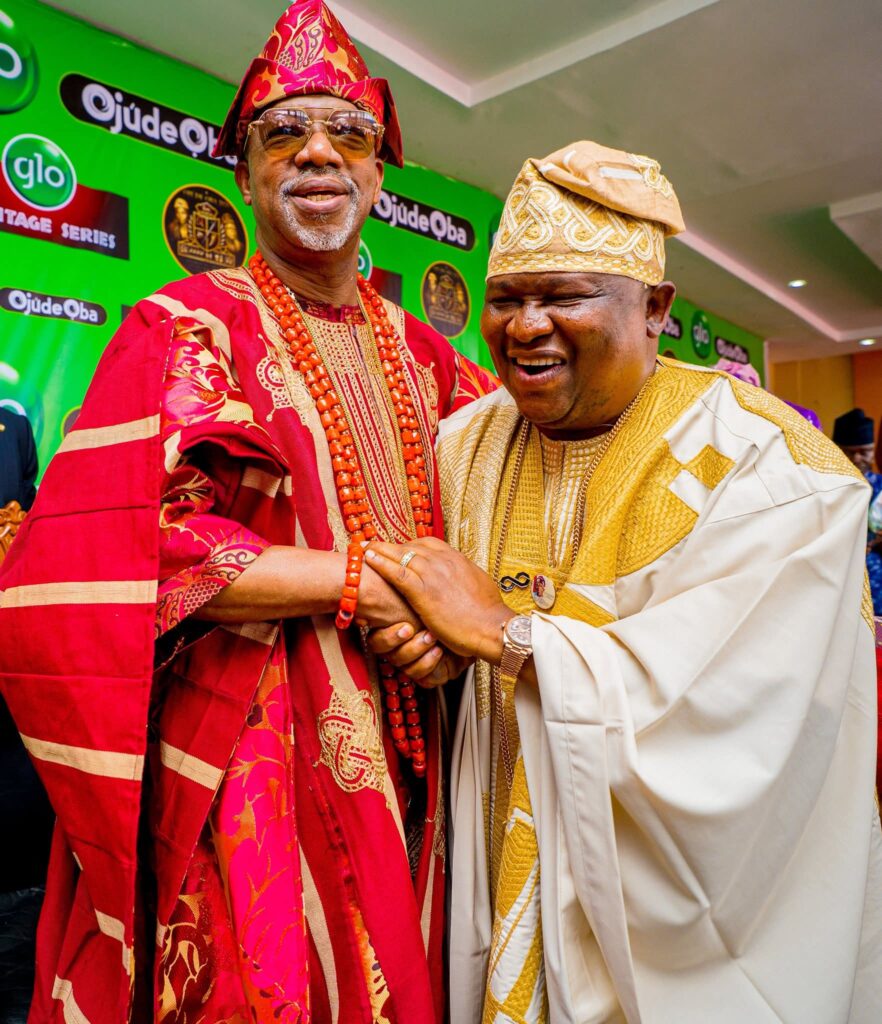
For the 21st consecutive year, Globacom maintained its position as the principal sponsor of the festival, deploying large-scale branding, promotional activities and consumer engagement initiatives across the city.
A message delivered on behalf of Globacom Chairman, Dr. Mike Adenuga Jr., paid glowing tribute to the late Awujale, acknowledging his role in transforming Ojude Oba into an internationally recognised cultural platform.
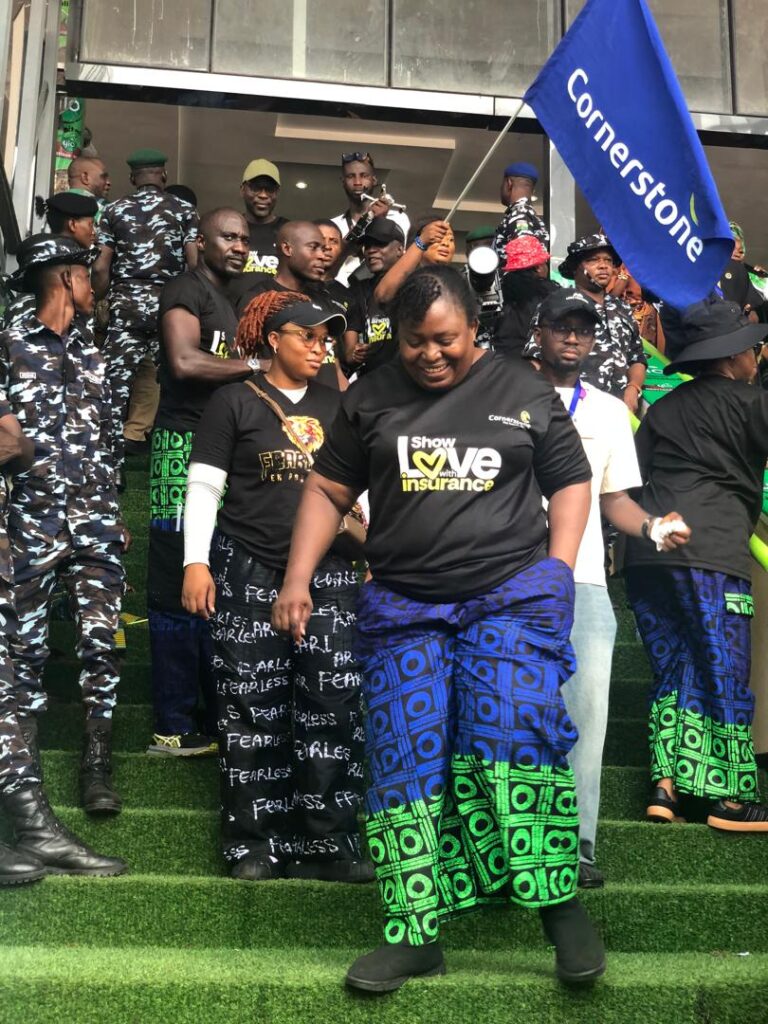
Financial institutions, beverage companies and consumer brands also maintained strong visibility throughout the festival.

Corporate partners leveraged the gathering to connect with audiences through experiential activations, digital campaigns, product showcases and community engagement programmes, reinforcing Ojude Oba’s status as both a cultural and commercial powerhouse.
As daylight faded and celebrations continued across the city, one reality became increasingly clear.
The 2026 Ojude Oba Festival was not defined by the absence of a monarch but by the enduring strength of the institution he built.
Through the leadership of the kingmakers, the pride of the Regberegbe groups, the pageantry of the Balogun families, the support of corporate partners, the hardwork of the Central working Committee of Ojudeoba, the commitments and innovations of the sub committees and the unwavering commitment of the Ijebu people, the festival demonstrated that cultural heritage can transcend generations and survive moments of transition.
For Ijebuland, Ojude Oba 2026 was a tribute to a remarkable king.

For Nigeria, it was a reminder that culture remains one of the nation’s most powerful instruments of unity, identity and economic development.
And for the thousands who gathered beneath the Ijebu sun, it was proof that while a throne may be temporarily vacant, a legacy can never be.








Leave a comment