


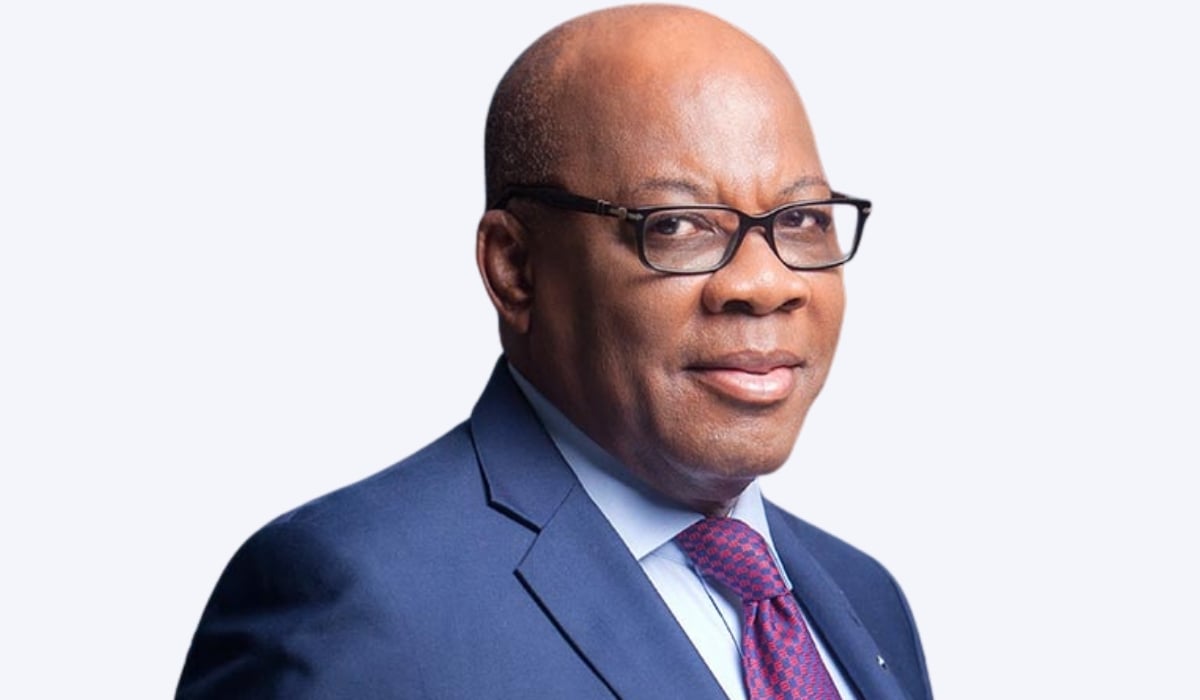
Senior Advocate of Nigeria and former President of the Nigerian Bar Association, Dr. Olisa Agbakoba, has raised fresh concerns over what he described as massive structural leakages within Nigeria’s public finance system, warning that the country may be losing as much as ₦20 trillion annually through institutional inefficiencies, oil sector manipulations, and weak fiscal accountability mechanisms.
Agbakoba spoke on Monday during an interview on Frontline, a current affairs programme on Eagle 102.5 FM, Ilese-Ijebu, Ogun State, where he analysed Nigeria’s worsening fiscal condition, rising debt profile, and the structural weaknesses affecting revenue management across government institutions.
The senior lawyer argued that Nigeria’s continuous dependence on borrowing despite vast revenue streams reflects deep failures in fiscal governance and public finance management.

According to him, the country’s constitutional framework already provides a clear structure for revenue management through the Federation Account as contained in Section 162 of the 1999 Constitution, which mandates that all government revenues be paid into a central account without deductions.
Agbakoba, however, lamented that the constitutional provision has been consistently undermined by revenue-generating agencies operating parallel financial systems outside the established framework.
He alleged that the Nigerian National Petroleum Company Limited (NNPC) remains one of the major contributors to revenue leakages within the federation system, claiming that various deductions and financing arrangements have significantly reduced inflows into the Federation Account.
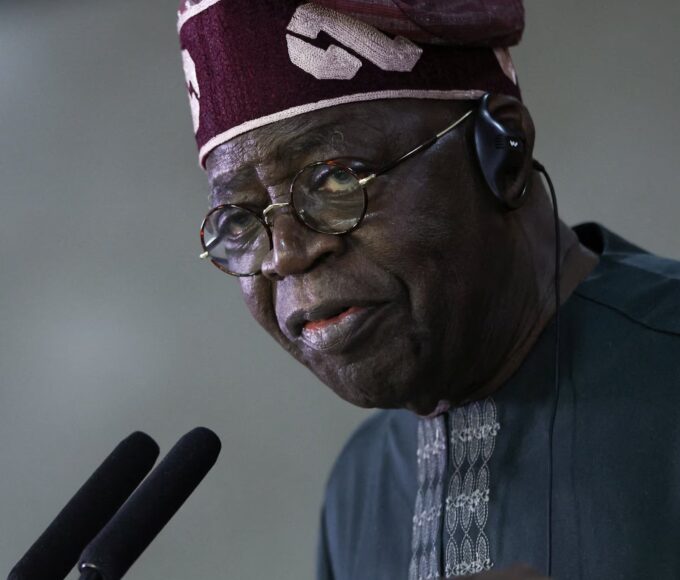
According to him, President Bola Tinubu’s decision to dissolve the former NNPC board under Mele Kyari and ongoing anti-corruption investigations involving some officials indicate that the presidency itself recognises the depth of the crisis within the oil sector.

Agbakoba stated that despite the country’s enormous resource base, Nigeria continues to accumulate debt because revenues that ought to fund governance are either diverted, poorly managed, or trapped within inefficient institutional arrangements.
He compared the situation to a household head borrowing money despite already having sufficient funds in his account, insisting that Nigeria’s challenge is not necessarily lack of income but inability to properly consolidate and manage its earnings.
The former NBA President further criticised what he described as unconventional oil financing arrangements, including forward crude sales where future oil production is allegedly committed in advance to secure immediate funding.
He referenced projects such as Project Gazelle, Project Yield, Project Leopard, and Eagle Export Funding, alleging that future crude oil earnings have been heavily mortgaged to raise short-term liquidity.
Agbakoba argued that such arrangements weaken long-term fiscal stability and reduce the country’s future earning capacity.
He also expressed concern over repeated spending on refinery rehabilitation projects in Port Harcourt, Kaduna, and Warri despite limited operational output from the facilities.
According to him, it remains economically irrational for Nigeria to continue exporting crude oil while importing refined petroleum products despite years of investment in refinery rehabilitation.
The senior lawyer noted that the Dangote Refinery currently remains the only major breakthrough capable of reducing Nigeria’s dependence on imported fuel products.
He maintained that leakages are not limited to crude oil revenues alone but extend across petroleum profit tax, royalties, licensing fees, gas penalties, stamp duties, solid minerals, and company income tax collections.
Agbakoba estimated that the country may currently be operating at nearly 60 per cent below its actual revenue potential due to systemic leakages and institutional inefficiencies.
Citing international assessments, including World Bank estimates, he noted that concerns over revenue leakages in Nigeria are already recognised globally, though he believes the actual figures may be significantly higher than official projections.
He warned that growing debt servicing obligations now consume a substantial portion of government revenue, leaving very little for infrastructure development, salaries, healthcare, education, and social welfare.
According to him, Nigeria’s fiscal policy has become unsustainable because a significant share of government earnings is now used primarily to service debt obligations rather than fund development.
Agbakoba also criticised the political environment, arguing that many political actors appear more focused on calculations for the 2027 elections than addressing governance and economic challenges confronting ordinary Nigerians.
He said the obsession with political alignments and party defections has overshadowed serious conversations about economic restructuring, fiscal reforms, and institutional accountability.
While acknowledging that the removal of fuel subsidy and exchange rate reforms introduced by the Tinubu administration were structurally necessary, Agbakoba faulted the lack of adequate mitigating measures to cushion their effects on citizens.
He questioned why savings from subsidy removal were not channelled into a dedicated national infrastructure fund capable of financing roads, schools, hospitals, and other development projects.
Instead, he argued that increased allocations are merely being distributed to state governments without sufficient accountability frameworks to guarantee developmental impact.
Agbakoba noted that many states now receive significantly higher federal allocations than before subsidy removal, yet there has been little corresponding improvement in infrastructure, public services, or living conditions.
According to him, the continued disconnect between rising government revenues and worsening poverty levels demonstrates the depth of institutional failure within Nigeria’s fiscal architecture.
He warned that unless Nigeria urgently reforms its revenue collection systems, enforcement structures, expenditure management processes, and institutional accountability mechanisms, the country would remain trapped in cycles of borrowing, inefficiency, and underdevelopment despite abundant natural and economic resources.
Agbakoba added that fiscal leakages and economic governance should become central issues in the build-up to the 2027 general elections, urging Nigerians to demand concrete plans from political leaders on how they intend to block revenue losses and restore fiscal discipline.
He maintained that the country possesses enough resources to significantly improve citizens’ welfare if revenues are properly managed and leakages effectively addressed.





Leave a comment