


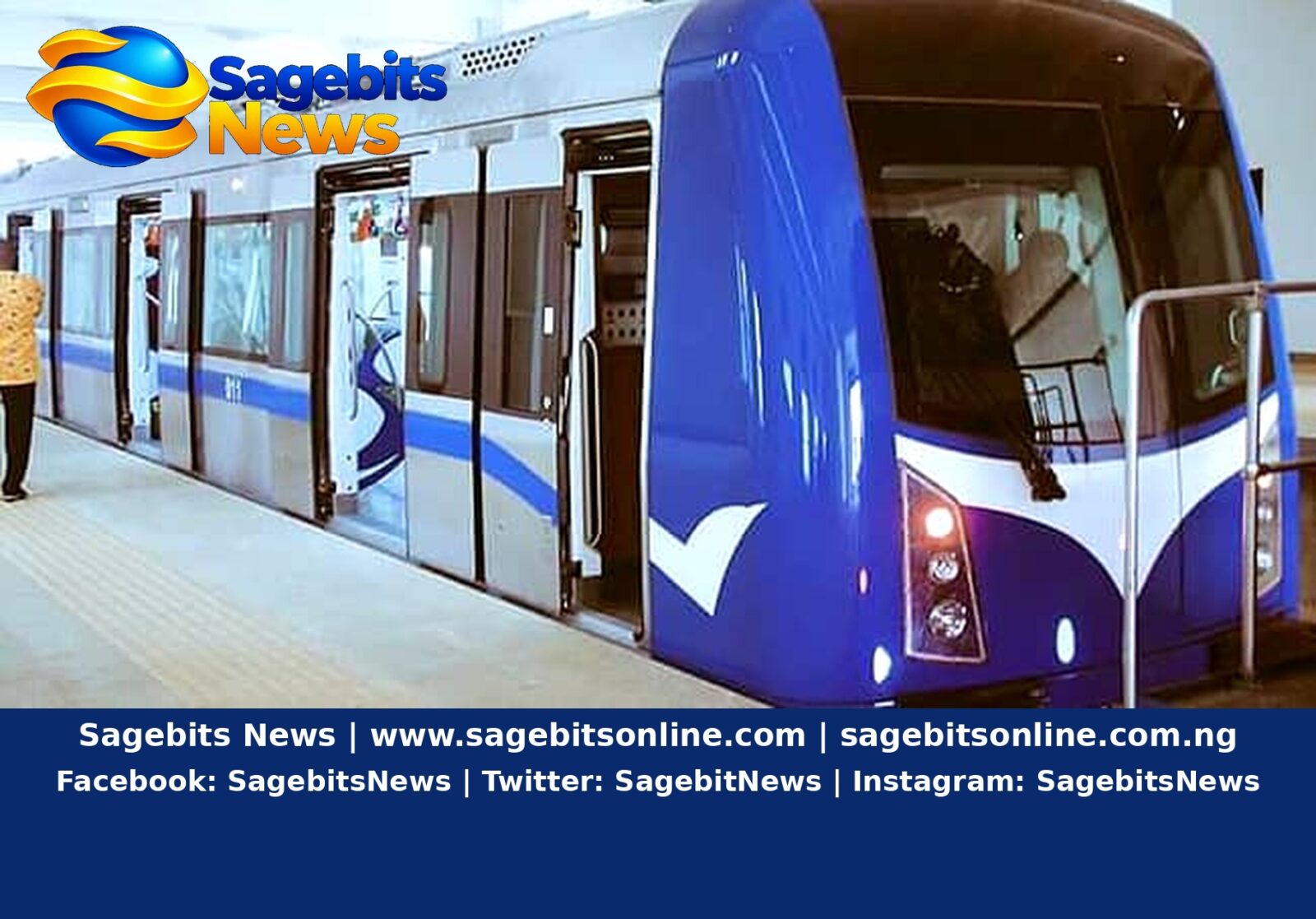
Passengers travelling on the Abuja–Kaduna railway service have raised concerns over alleged ticket racketeering, claiming that tickets officially priced at ₦3,600 are being offered for as much as ₦7,000 through alternative channels even when the online booking platform reportedly indicates that seats are sold out.
The allegation has renewed concerns about access to affordable rail transportation, transparency in ticket sales and the effectiveness of the Nigerian Railway Corporation’s (NRC) ticketing system.
According to the complaints, prospective passengers who are unable to secure seats through the official online platform may be forced to explore alternative channels, where tickets are reportedly offered at almost twice the official regular-class fare.
The NRC’s published fare schedule lists the regular adult ticket at ₦3,600, while business-class tickets cost ₦6,500 and first-class tickets cost ₦9,000. The reported ₦7,000 price would therefore exceed the official regular-class fare by ₦3,400. However, the latest allegations have not been independently verified, and it remains unclear who is responsible for the reported transactions.
The development echoes earlier complaints about ticketing irregularities on the same corridor. In a report published by Premium Times on February 22, 2026, passengers who spoke to the News Agency of Nigeria alleged that they had encountered difficulties securing tickets online but were subsequently offered tickets through intermediaries at prices above the official fare.
One passenger, Solomon Abiona, reportedly said he paid ₦6,000 per ticket after being unable to obtain seats through the booking platform. He also alleged that tickets issued to his group carried names different from those of the actual travellers.
Responding to those earlier complaints, Abubakar Bunma, media aide to NRC Managing Director Kayode Opeifa, said the corporation’s ticketing process required passengers’ names and National Identification Numbers to match. He also maintained that tickets were electronically generated and allocated seat numbers. The NRC disputed some of the allegations surrounding overbooking and passenger management.
The corporation’s published passenger-service rules also require travellers to present valid identification, retain their tickets and occupy their allocated seats.
The latest allegations raise questions about whether the online booking system adequately reflects actual seat availability and whether unauthorised intermediaries or individuals with access to ticketing arrangements are exploiting the demand for rail travel.
If substantiated, the reported practice could place additional financial pressure on passengers who rely on the railway as an alternative to road transportation. It could also undermine public confidence in the system, particularly among travellers who consider the rail corridor a safer option amid security concerns associated with road journeys.
The NRC has yet to be identified as having issued a specific response to the latest allegation involving ₦7,000 tickets. It is therefore unclear whether the reported transactions involve railway employees, independent intermediaries or another arrangement.
Passengers’ concerns underscore the need for the corporation to investigate the claims, clarify how tickets become unavailable online while allegedly remaining accessible through alternative channels, and strengthen monitoring to ensure that tickets are sold transparently at approved rates.
For affected travellers, the central question remains: if the official booking platform says tickets are sold out, how are tickets allegedly becoming available elsewhere at higher prices?







Leave a comment