


The Federal Government has launched a renewed drive to attract private sector investment into Nigeria’s healthcare system through a nationwide healthcare electrification programme designed to guarantee reliable, affordable and sustainable power supply to hospitals and medical facilities.
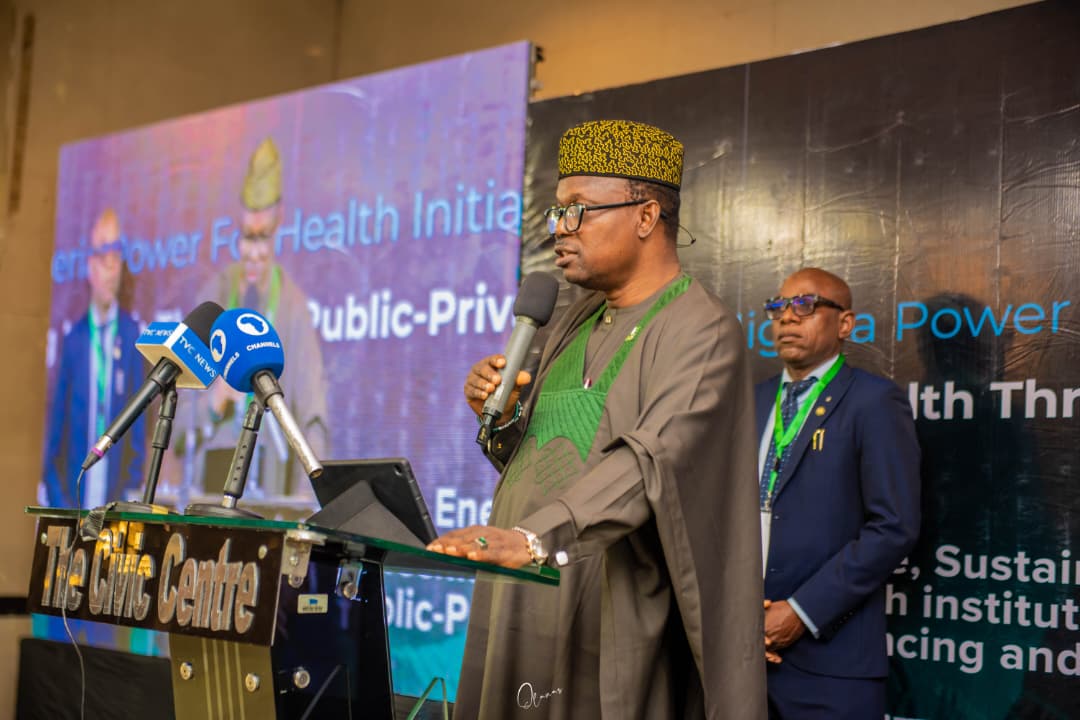
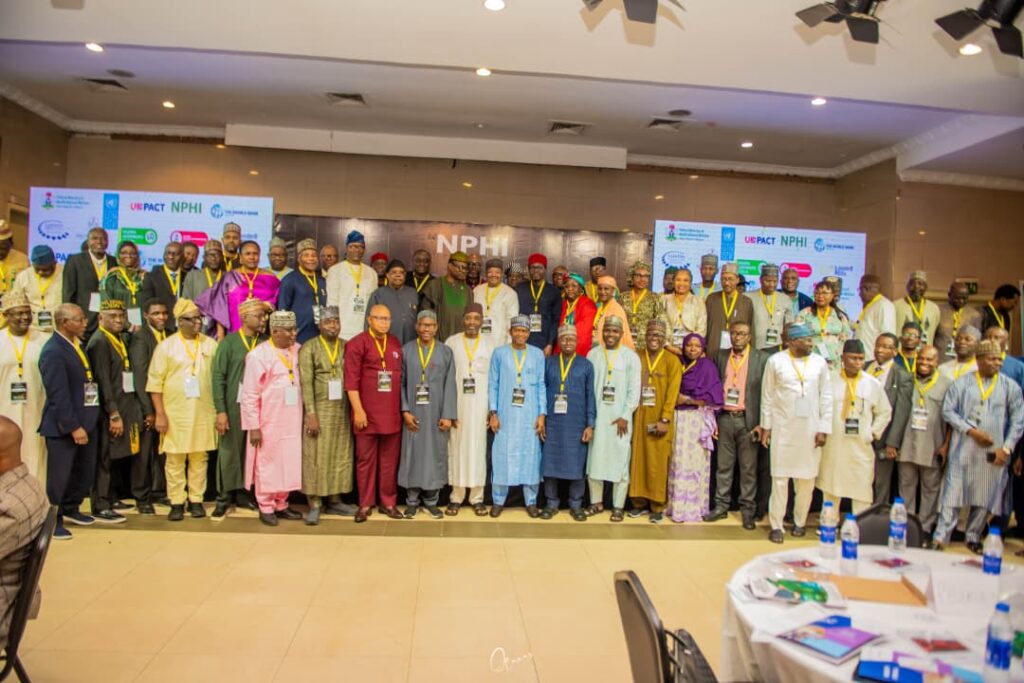
The initiative, which is expected to transform healthcare delivery across the country, was unveiled at the National Healthcare Electrification Investor Matchmaking Forum held at the Civic Centre, Victoria Island, Lagos, where government officials, investors, development partners, financiers and energy sector stakeholders gathered to explore opportunities for collaboration.
Speaking at the forum, the Minister of State for Health and Social Welfare, Dr. Iziaq Adekunle Salako, described access to reliable electricity as one of the most critical requirements for strengthening healthcare services and improving patient outcomes nationwide.
According to the minister, healthcare facilities across Nigeria continue to face significant operational challenges due to inadequate and unreliable power supply, affecting everything from emergency medical services and surgical procedures to vaccine storage, diagnostic testing, oxygen production and digital health solutions.
He stressed that electricity should no longer be viewed merely as a utility service but as a fundamental pillar of healthcare delivery and an essential component of the Federal Government’s broader healthcare reform agenda.

Dr. Salako explained that the Nigeria Power for Health Initiative (NPHI), approved by President Bola Ahmed Tinubu following a National Stakeholders’ Dialogue on Power in the Health Sector, was established to address longstanding energy deficits within the healthcare system.
Unlike previous approaches that relied heavily on government funding and donor-supported infrastructure projects, the initiative introduces a more sustainable private-sector-led framework known as the Energy-as-a-Service model.
Under the arrangement, specialized Energy Service Providers will finance, install, operate and maintain energy infrastructure within healthcare facilities while hospitals concentrate on their primary responsibility of delivering quality medical care.
Officials believe the model will improve efficiency, enhance accountability and create predictable revenue streams capable of attracting long-term investment into the sector.
The government says the approach is designed to ensure that healthcare facilities are no longer burdened by the costs and technical challenges associated with managing energy infrastructure.
The minister noted that energy poverty remains one of the major barriers to effective healthcare delivery in Nigeria.
He explained that many healthcare facilities still struggle with unstable electricity supply, forcing them to depend heavily on expensive diesel-powered generators, which increase operational costs and limit service delivery.
According to health sector experts, interruptions in power supply can have life-threatening consequences, particularly during surgical procedures, emergency response operations, intensive care services and vaccine preservation.
Officials say improving access to electricity will significantly enhance the quality, reliability and efficiency of healthcare services across the country.
Although the current phase of implementation focuses on Federal Tertiary Health Institutions, Dr. Salako emphasized that the initiative has been designed to eventually serve healthcare facilities at all levels, including primary, secondary and tertiary institutions across both public and private sectors.
The broader vision, he said, is to establish a resilient healthcare energy ecosystem capable of supporting Nigeria’s growing healthcare needs while advancing national development goals.
Observers note that reliable electricity has become increasingly important as healthcare systems adopt digital technologies, telemedicine services and advanced diagnostic equipment that require uninterrupted power supply.
To ensure transparency and investor confidence, the government has established an extensive governance framework for the initiative.

The structure includes an Inter-Ministerial Steering Committee, a 24-member Inter-Agency Technical Committee, Facility Energy Management Teams and a dedicated Project Secretariat housed within the Federal Ministry of Health and Social Welfare.
Officials say the framework is intended to provide oversight, coordination and accountability while ensuring that projects are implemented efficiently and sustainably.
The government believes that a clear institutional structure will help mitigate risks and create a conducive environment for both domestic and international investors.
A major highlight of the initiative is its financing strategy, which combines public commitment with private capital and international development support.
According to Dr. Salako, the programme is pursuing a blended financing model that integrates government funding, development finance, climate finance, concessional capital and private sector investment.
The approach is expected to unlock significant resources required for large-scale deployment of renewable and sustainable energy solutions across healthcare facilities nationwide.
The minister noted that healthcare electrification sits at the intersection of health security, climate resilience, economic development and infrastructure expansion, making it an attractive investment opportunity for multiple categories of investors.
Dr. Salako used the occasion to call on commercial banks, infrastructure funds, climate financiers, development finance institutions, energy developers and impact investors to participate actively in the initiative.
He emphasized that the healthcare sector presents a growing pipeline of bankable projects capable of delivering both social impact and financial returns.
The minister described the Investor Matchmaking Forum as the beginning of a new marketplace where innovative ideas can be transformed into viable projects, investment opportunities and practical solutions for healthcare facilities across the country.
He also commended the United Kingdom Partnership for Accelerating Climate Transition (UK PACT) and Landell Mills International for their support in developing the programme’s framework and implementation structure.
As Nigeria seeks to strengthen its healthcare infrastructure and expand access to quality medical services, government officials say reliable electricity will remain a critical enabler of success.
Dr. Salako assured prospective investors of the Federal Government’s commitment to creating an enabling policy environment capable of supporting long-term investment and sustainable growth.
He expressed confidence that strategic partnerships between government, financiers and energy providers would help transform healthcare delivery across the country.
“Together, we can build a future where every healthcare facility in Nigeria has access to reliable, affordable and sustainable energy. Together, we can strengthen our healthcare system and save lives,” the minister stated.









Leave a comment