



A power sector analyst, Awwal Jubril, has called for the unbundling of the Transmission Company of Nigeria, warning that Nigeria’s overcentralised electricity system is responsible for persistent blackouts and unreliable supply.
Speaking during a public affairs programme on Eagle FM in Ilese-Ijebuode, Jubril said Nigeria’s reliance on a single national grid has made the system fragile, with faults in one region triggering widespread outages across the country.
“Unbundling the TCN is the most critical thing we need to do. Let each region have its own transmission capacity. We cannot continue with a single grid where a problem in one part of the country affects everyone,” he said.
He attributed the country’s worsening power crisis to decades of underinvestment across generation, transmission, and distribution, noting that infrastructure has failed to keep pace with population growth and rising energy demand.
According to him, many communities still rely on outdated transformers, poles, and wires installed decades ago, despite rapid urban expansion and increased electricity consumption.
“Population is expanding, demand is increasing, yet infrastructure remains stagnant. That is the core of the problem,” Jubril stated.
Nigeria is currently grappling with severe electricity shortages, with generation hovering around 3,700–4,000 megawatts for a population of over 200 million, a situation worsened by fuel constraints and financial instability in the sector.
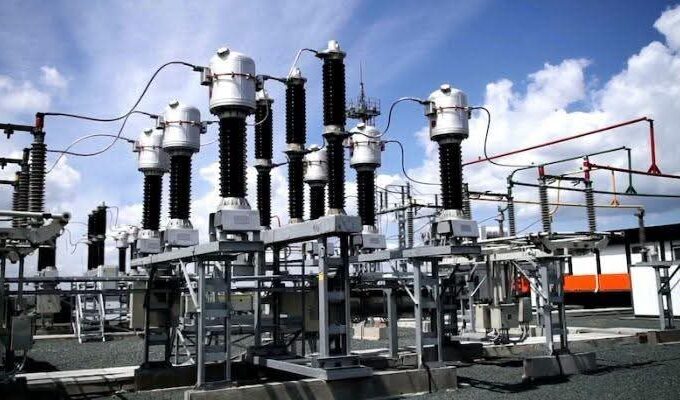
Jubril explained that the structure of Nigeria’s power system inherently leads to inefficiencies and energy losses, as electricity generated is significantly reduced before reaching end users due to transmission challenges.
He broke down the sector into its three components—generation, transmission, and distribution—highlighting gaps in each segment.
“The generator produces power, transmission carries it, and distribution delivers it to homes. In Nigeria, all three segments suffer from neglect,” he said.
He also criticised the country’s distribution companies, describing their privatisation as a failure.
Communities are left to fix transformers themselves, while companies focus on revenue collection rather than technical improvements,” he said.
On ongoing interventions, Jubril acknowledged projects such as mobile transformers under international partnerships, describing them as temporary relief measures rather than long-term solutions.

He also welcomed emerging initiatives like Grid Asset Management Company Limited, which aim to decentralise transmission through regional corridors, noting that such models could improve efficiency if properly implemented.
The analyst stressed the need for greater involvement of state governments, particularly in the Southwest, urging them to invest in infrastructure and partner with private sector players to improve electricity distribution.
“States must move beyond policy and commit real investment. Lagos is making progress, but others need to step up,” he said.
Jubril further criticised banded tariff systems, arguing that they do not address the root causes of power shortages but merely reflect commercial arrangements within a failing system.
On leadership, he said systemic issues in the sector go beyond any individual, noting that even the most capable minister would struggle without structural reforms.
Referring to the current Minister of Power, Adebayo Adelabu, Jubril said the challenges facing the sector are deeply entrenched.
“No individual can fix this system overnight. The problem is structural,” he said.
He concluded that sustainable electricity supply in Nigeria depends on long-term reforms, including decentralising transmission, encouraging private investment, and upgrading infrastructure nationwide.
“Without structural changes, we will continue to experience the same problems. The solution lies in investment, decentralisation, and accountability,” Jubril added.








Leave a comment