


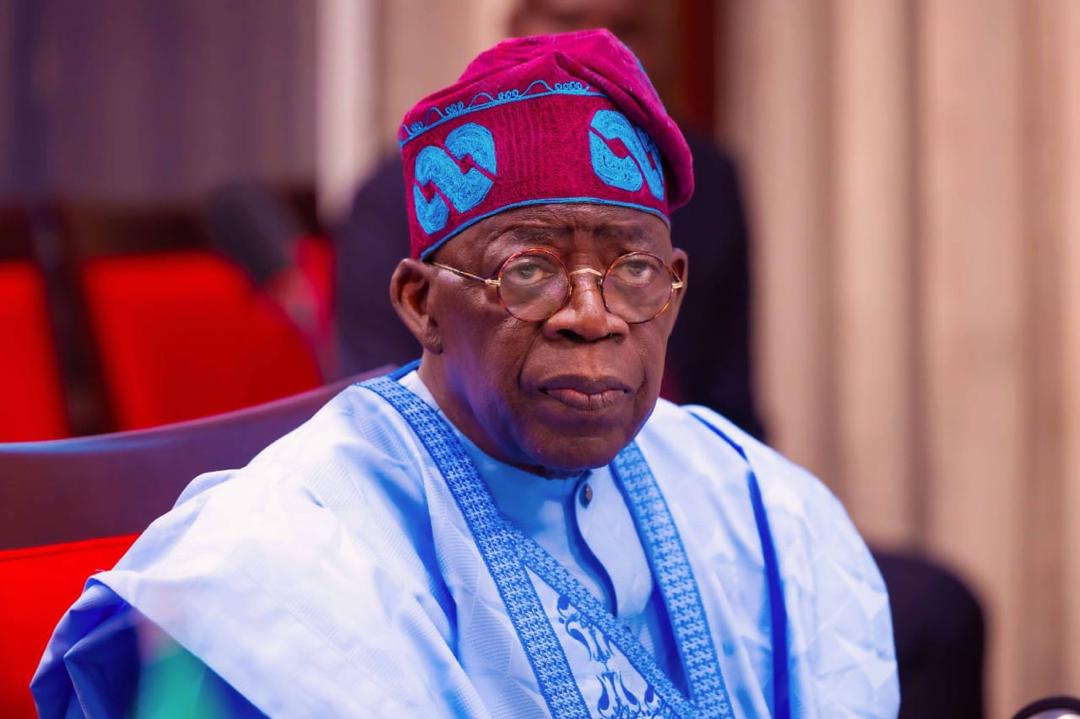
A coalition of prominent opposition leaders has raised fresh alarm over what it describes as the deepening politicisation of Nigeria’s anti-corruption and security agencies, accusing the ruling All Progressives Congress (APC) of using state power to intimidate and weaken political rivals.
In a joint statement signed by former Senate President David Mark, former Vice President Atiku Abubakar, Mallam Lawal Batagawara, Chief Bode George, Labour Party’s Peter Obi, and former APC National Chairman Chief John Odigie-Oyegun, the leaders alleged that agencies such as the Economic and Financial Crimes Commission (EFCC), the Nigeria Police Force, and the Independent Corrupt Practices and Other Related Offences Commission (ICPC) are being deployed for “systematic persecution of opposition leaders.”

According to the coalition, allegations involving figures within the ruling party are often ignored or quietly managed, while opposition figures face swift investigations, arrests, and media trials—sometimes based on unsubstantiated claims.
They cited several recent examples to support their position. One former minister, implicated in a widely reported financial scandal, reportedly resigned only after sustained public outrage. Months after stepping down, however, no charges have been filed, and the individual is said to be actively involved in the President’s re-election campaign.
Similarly, another minister reportedly remained in office despite the university he claimed to have attended publicly denying the authenticity of his academic certificate. He, too, resigned only after intense public pressure, yet months later, no charges have been filed.
The opposition leaders warned that such selective enforcement undermines the credibility of anti-corruption efforts and steadily erodes public trust in state institutions.

They further alleged that Nigerians are increasingly concerned about the sudden elevation of certain political actors who defect from opposition parties to the ruling party and are promptly rewarded with federal appointments, while still claiming opposition affiliation. According to the statement, these individuals are widely perceived as being used to destabilise opposition parties through factionalisation, inducements, and the manipulation of judicial processes—allegedly with access to state resources.
Erosion of EFCC’s Independence
The coalition expressed deep concern over what it described as the gradual erosion of the EFCC’s independence. Established to protect Nigeria’s economic integrity, the agency, they argued, now risks being viewed as an instrument of political persecution rather than a neutral enforcer of accountability.
They warned that persistent social and political injustice, if left unaddressed, could escalate into serious unrest as the country approaches another election cycle, stressing that the trend must be halted to avert a national crisis.
Demands for Reform
The opposition leaders outlined a series of demands, including the immediate depoliticisation of the EFCC and a return to its statutory mandate of impartial detection and prevention of economic crimes, as provided under Sections 6 and 7 of its enabling Act.
They also called on the Attorney General, in consultation with the National Assembly, to establish an independent review body with full access to public accounts at federal, state, and local government levels from 2015 to 2025. The proposed body, to be chaired by a retired eminent judge, would conduct a comprehensive audit, publish its findings, and recommend amendments to strengthen the EFCC.

The coalition proposed that the review panel include representatives from civil society organisations, the Nigerian Bar Association, professional accounting and banking bodies, the Nigerian Financial Intelligence Unit, security agencies, and all political parties represented in the National Assembly.
In addition, they urged reforms to embed preventive anti-corruption mechanisms by integrating EFCC operatives into government payment processes at all levels, ensuring transparency and accountability before and after public expenditures.
Call to Defend Democracy
The statement concluded with a call on Nigerians across party, regional, and religious lines to defend the country’s multiparty democracy, warning against a slide toward a de facto one-party state.
The coalition also announced plans to engage international partners and diplomatic missions—including those of the United States, United Kingdom, Canada, the European Union, the World Bank, and the United Nations—to express concerns about what they described as the growing misuse of Nigeria’s anti-graft institutions.
Quoting Edmund Burke and Martin Luther King Jr., the opposition leaders urged citizens to reject silence and remain vigilant, insisting that Nigeria belongs to all its people and not to any single party or leader.







Leave a comment