


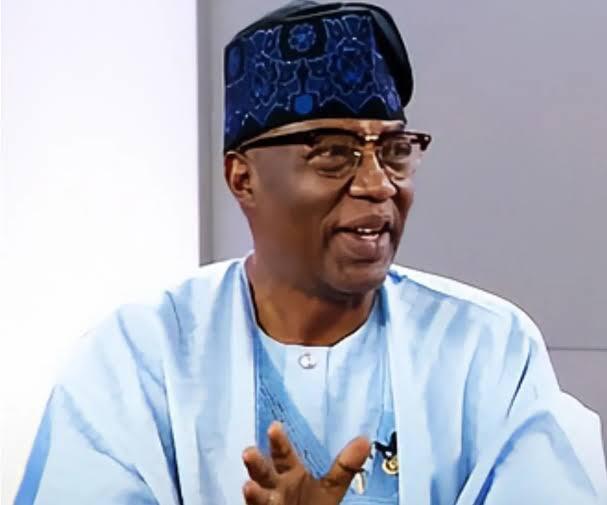
When Otunba Gbenga Daniel assumed office as Governor of Ogun State in May 2003, the expectations were high, but the challenges were even greater. Despite its wealth of natural resources, strategic location, and rich cultural heritage, Ogun lagged behind in infrastructure, human capital, and industrial development. By the time Daniel left office in 2011, the state had emerged as one of Nigeria’s most competitive hubs for investment, innovation, and sustainable growth.
Rewriting Ogun’s Infrastructure Story
Daniel’s tenure is most vividly remembered for an aggressive infrastructure agenda. Major road networks were built and rehabilitated, connecting rural communities to urban centers and boosting commerce. Landmark projects such as the Sagamu-Benin Expressway link, the Abeokuta-Sagamu interchange, and numerous rural feeder roads reduced travel time, facilitated trade, and empowered farmers.
Urban development also took center stage. Housing estates like the OPIC developments, modern markets, bridges, and transport terminals reshaped Ogun’s landscape, creating a conducive environment for business and urban living.
“We laid the foundations for a modern, business-friendly Ogun — accessible, connected, and forward-looking.”
— Otunba Gbenga Daniel
Education and Human Capital Development
Daniel recognized that education is the backbone of development. His administration created the Tai Solarin University of Education (TASUED), Nigeria’s first specialized university of education, and revitalized Olabisi Onabanjo University (OOU). ICT centers in secondary schools, free textbooks, and tuition subsidies ensured that Ogun’s youths had access to quality education, preparing them for a knowledge-driven economy.
Healthcare for All
Healthcare was another priority. Daniel upgraded general hospitals, built primary health centers in all 20 local government areas, and modernized the OOU Teaching Hospital. Mobile health initiatives and free medical outreaches brought services to rural communities that had long been underserved.
Industrialization and Economic Growth
Daniel’s industrialization drive transformed Ogun into Nigeria’s new industrial frontier. Through initiatives such as the Ogun State Free Trade Zone, partnerships with Chinese investors, and active promotion of the state as an investment hub, industries flocked to Ogun — particularly along the Lagos-Ibadan corridor.
Agriculture also benefited, with mechanized farming, improved seedlings, and cooperative programs increasing rural incomes and food production.
Cultural Revival and Tourism Development
A passionate advocate for heritage, Daniel revived Ogun’s cultural identity. He championed the Gateway Festival, restored historic sites, and promoted arts and crafts as both cultural pride and economic opportunity. Investments in Olumo Rock and cultural centers helped position Ogun as a prime tourist destination for Nigerians and international visitors alike.
Empowerment and Grassroots Development
Daniel’s administration emphasized people-centered initiatives. Youth skill acquisition programs, women empowerment schemes, microcredit facilities, and SME support helped ordinary citizens participate in the state’s growth, fostering entrepreneurship and self-reliance.
A Legacy That Endures
Eight years under Daniel’s leadership redefined Ogun State’s trajectory. He was more than a governor who built roads and schools — he was a visionary who transformed the state into an industrial, education-focused, and people-driven economy.
Today, as a senator, Otunba Gbenga Daniel continues to influence national development, but for Ogun residents, his governorship remains a golden chapter where vision met action, and promises became reality.
Culled from FB @Folake Sokoya











Leave a comment