


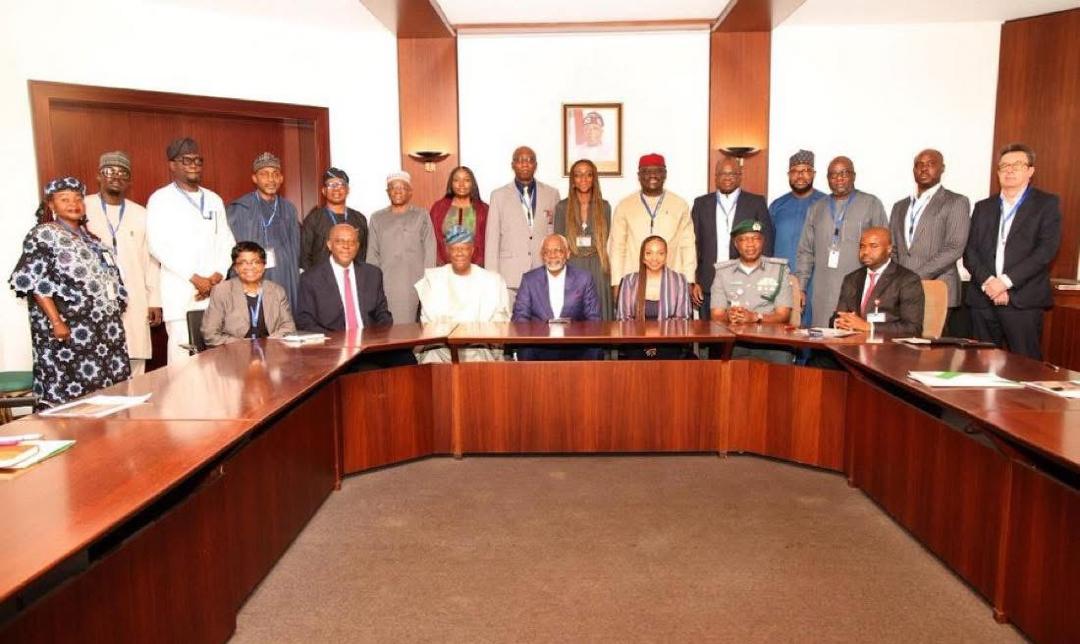
Nigeria is set to take a major step toward modernising its trade and customs processes as the Federal Government prepares to launch the National Single Window (NSW) platform on March 27.
The Chief of Staff to the President, Femi Gbajabiamila, described the initiative as a “monumental reform” that will significantly transform Nigeria’s trade ecosystem and enhance efficiency in import and export procedures.
Gbajabiamila made the disclosure during a stakeholders’ meeting held at the State House in Abuja, where ministers, heads of government agencies, and key officials gathered to review progress ahead of the platform’s official launch.
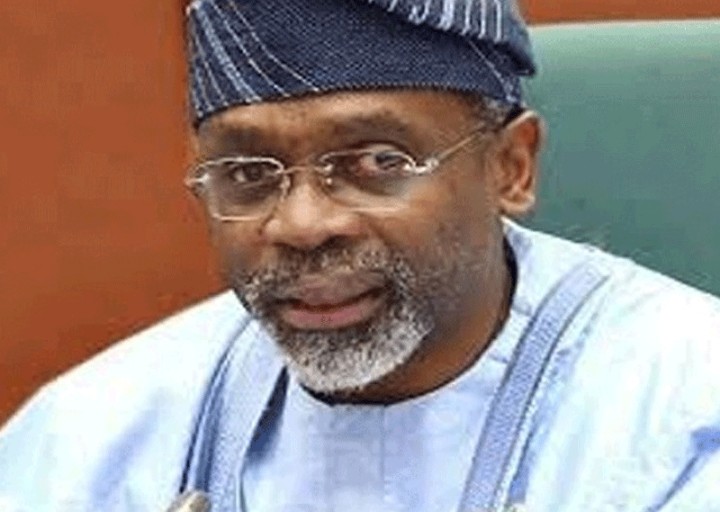
According to him, the National Single Window initiative—first introduced by President Bola Ahmed Tinubu nearly two years ago—forms a critical component of the administration’s fiscal reform agenda aimed at simplifying trade documentation and improving Nigeria’s competitiveness in global markets.
“We are about to launch yet another reform by this administration which, by its nature, will be very transformational,” Gbajabiamila said.
“As the name suggests, it is a single national window as opposed to multiple single windows.”
He explained that the meeting was convened to review implementation progress and secure the commitment of all relevant agencies to ensure a smooth transition when the system goes live.
Gbajabiamila also commended the dedication of institutions involved in the project, including the Central Bank of Nigeria, the Nigeria Revenue Service, and the Nigeria Customs Service.
Earlier, the National Single Window Coordinator, Mr. Tola Fakolade, urged participating agencies to intensify their efforts within the final 23 days leading up to the launch date.
He explained that the first phase of the platform would allow online processing of import permits, electronic submission of cargo manifests, and the introduction of a centralised risk management system.
Fakolade added that nationwide training for users is already underway, while pilot testing will soon commence to guarantee a seamless rollout.
Under the new system, cargo manifests will be submitted electronically and automatically transmitted to relevant government agencies without manual intervention.
“The support that we need from each of the agencies is even more critical now,” Fakolade said. “Documents will be submitted once and shared with all relevant agencies without duplication.”
The Coordinating Minister of the Economy and Minister of Finance, Wale Edun, reaffirmed his ministry’s commitment to the project, describing it as a growth-enhancing initiative capable of boosting Nigeria’s economic performance.
“This is a growth-enhancing and growth-enabling project. What is required of the Ministry of Finance, we will definitely do,” he said.
Similarly, the Minister of Industry, Trade and Investment, Jumoke Oduwole, described the project as a critical pillar of the administration’s economic reform agenda, noting that Nigeria has long needed such a system.
She assured stakeholders that the ministry would intensify collaboration with traders, importers, exporters, and government agencies in the coming weeks to ensure widespread awareness and preparedness ahead of the launch.
The Governor of the Central Bank of Nigeria, Olayemi Cardoso, also pledged the bank’s full support, stressing the need to close Nigeria’s trade facilitation gap with other countries.

Meanwhile, the Chairman of the Nigeria Revenue Service, Zacch Adedeji, called for stronger coordination and political will to ensure successful implementation, proposing that the Minister of Trade lead the final 23-day execution phase.
The Comptroller-General of the Nigeria Customs Service, Bashir Adeniyi, described the National Single Window project as a historic milestone for Nigeria’s trade sector.
He emphasised the importance of sustained stakeholder engagement and institutional cooperation to guarantee the success of the platform.
At the end of the meeting, the Minister of Industry, Trade and Investment was mandated to coordinate the final implementation phase to ensure a smooth launch on March 27.
Other agencies represented at the meeting included the Standards Organisation of Nigeria, the Nigerian Maritime Administration and Safety Agency, the Nigerian Ports Authority, the National Agency for Food and Drug Administration and Control, the Federal Airports Authority of Nigeria, the Nigeria Agricultural Quarantine Service, and the National Environmental Standards and Regulations Enforcement Agency.
The National Single Window platform is expected to reduce delays, eliminate multiple documentation processes, and significantly improve Nigeria’s ease of doing business once fully operational.









Leave a comment