



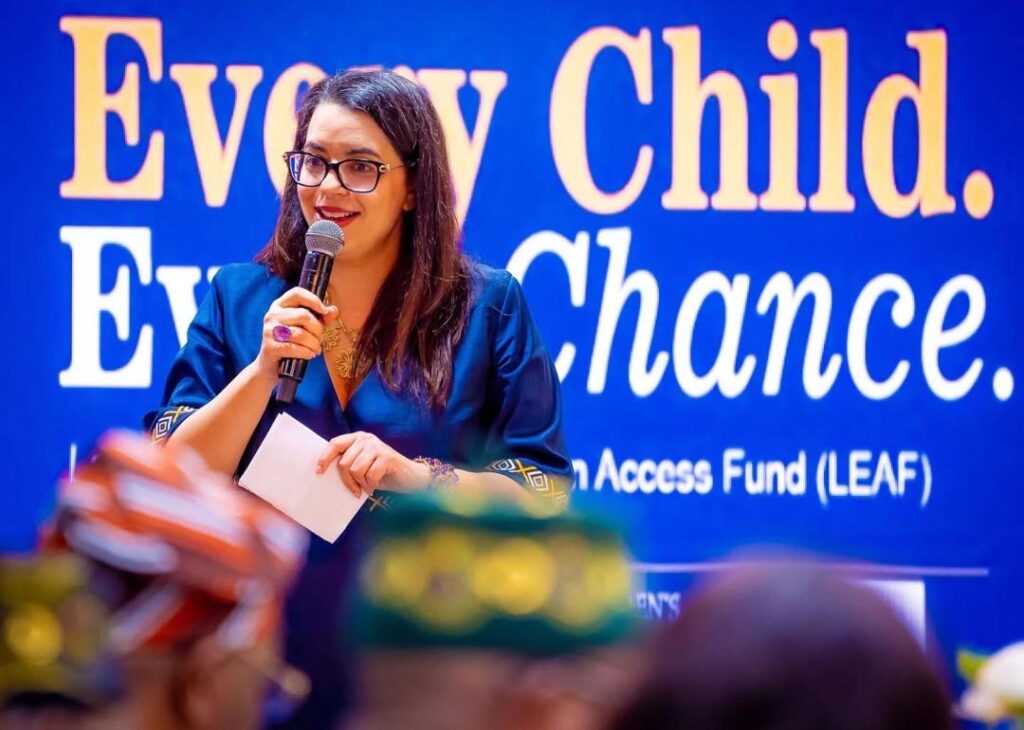
Lagos State has formally launched the Lagos Education Access Fund (LEAF), a $25 million outcomes-based education financing programme designed to bring thousands of out-of-school children back into classrooms while improving learning outcomes across public basic schools.
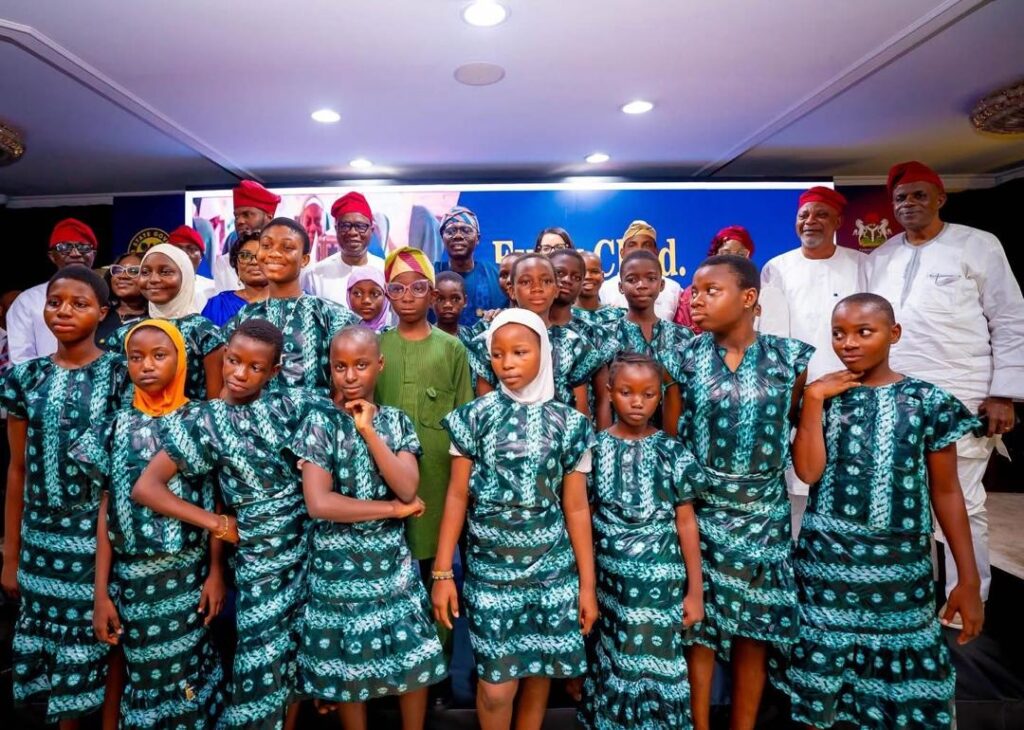
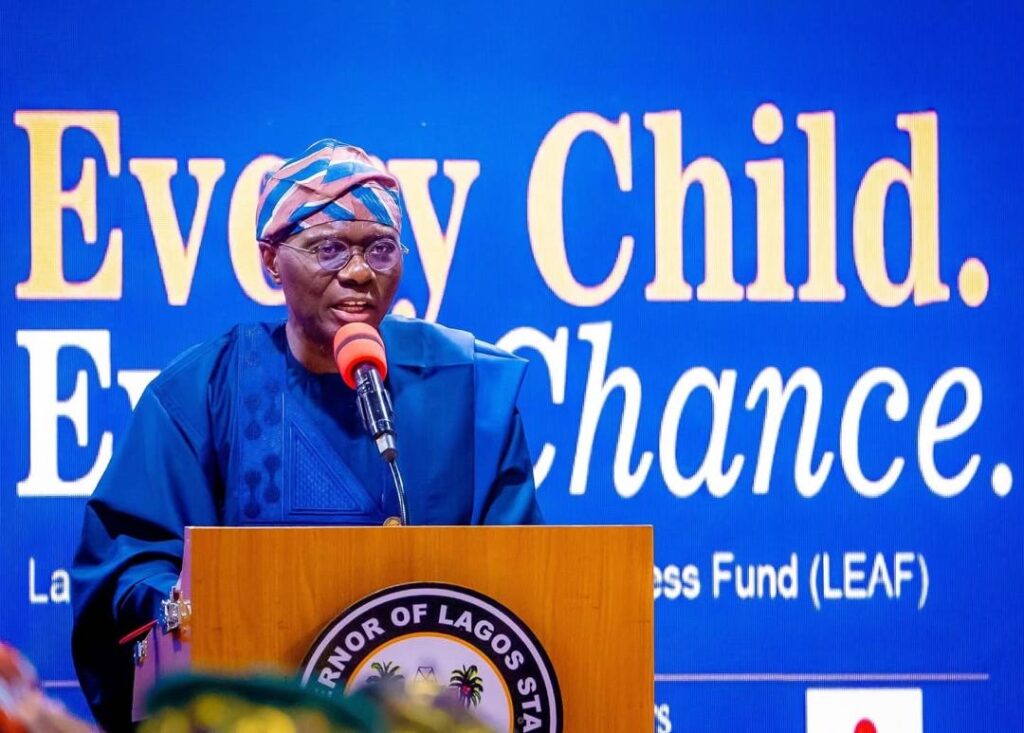
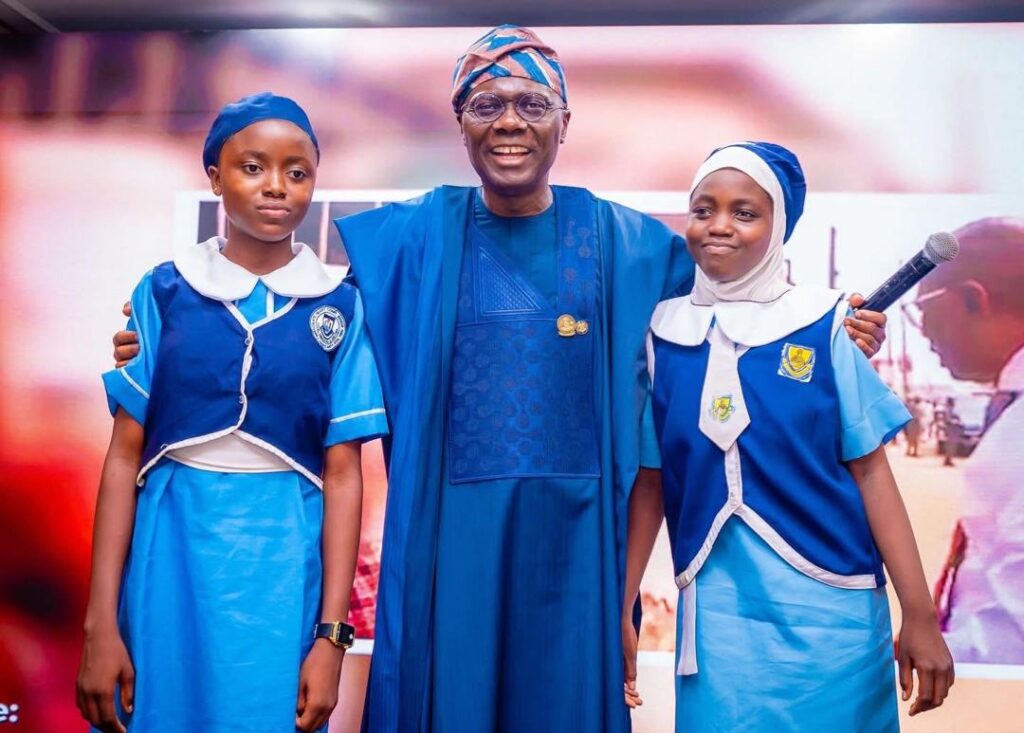
The initiative was unveiled on Friday, March 13, 2026, at Lagos House, Marina, with Governor Babajide Sanwo-Olu describing access to education as one of the most critical indicators of economic growth and long-term development in the state.

In a message shared on his official Facebook page after the launch, the governor said the programme forms part of Lagos’ broader strategy to ensure that no child is left behind in the education system.
The Lagos Education Access Fund is being implemented by the Lagos State Universal Basic Education Board in partnership with the Education Outcomes Fund, a global organisation that specialises in results-based education financing. The programme is supported by international donors including the Children’s Investment Fund Foundation, the UBS Optimus Foundation and the Ministry of Foreign Affairs of Japan.
According to official statements released at the launch, the fund is structured as a three-year programme that will channel grants to service providers delivering education interventions. Payments will be tied strictly to measurable results such as enrolment of out-of-school children, school attendance, retention and improvements in literacy and numeracy.
The results-based structure marks a departure from traditional education funding models where financing is tied to activities rather than outcomes. Under LEAF, implementing organisations will receive funding only after independent verification confirms that agreed targets have been achieved.
Officials involved in the programme estimate that up to 200,000 children aged six to fourteen could benefit from the initiative over the next three years. Within that figure, roughly 45,000 out-of-school children are expected to be reintegrated into formal education, while improved teaching support and learning programmes will benefit an additional 150,000 pupils already in school.
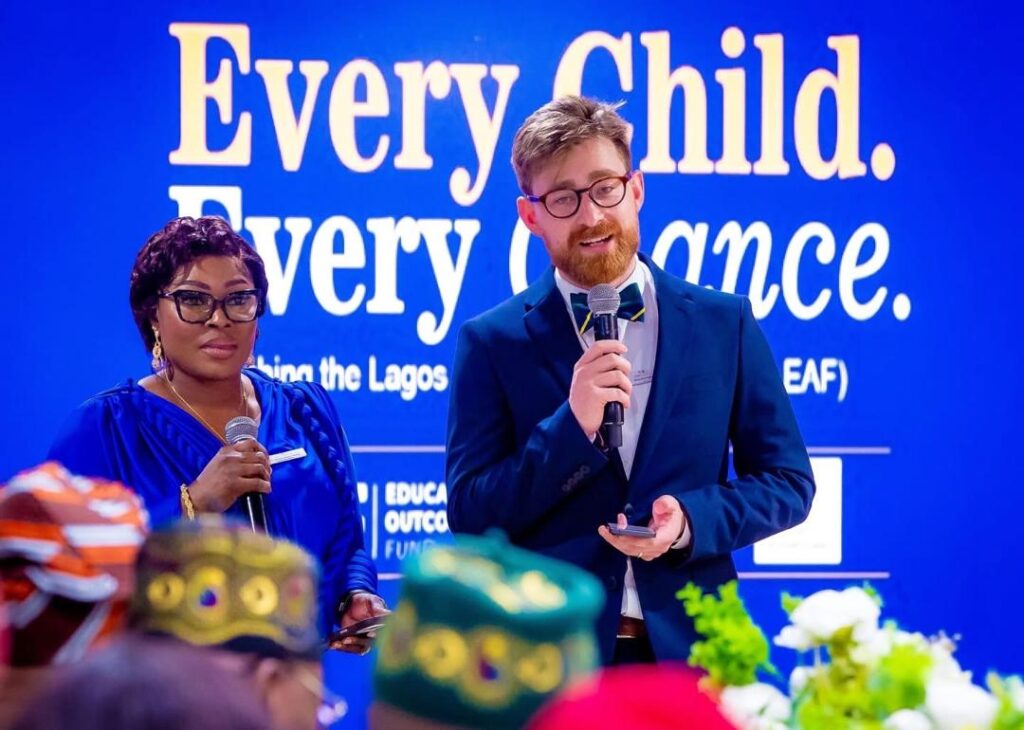
At the launch event, stakeholders emphasised that the programme is aimed particularly at vulnerable children and families who have struggled to access or remain in school due to economic hardship or other barriers.
Lagos education authorities say participating organisations will identify children who are currently outside the education system, provide accelerated or bridging learning support where necessary, and ensure sustained attendance once the children are enrolled in public schools.
The initiative will operate across Lagos State’s public basic education system and is expected to involve community outreach, teacher support programmes and improved monitoring of learning outcomes.

The Education Outcomes Fund noted that the Lagos programme represents one of the first large-scale outcomes-based education initiatives in Nigeria. The model has been used in several countries as a way to attract philanthropic capital and ensure that funding delivers measurable impact.

Under the structure of the fund, donor contributions are pooled into a central financing facility managed by the outcomes fund. Organisations implementing education programmes will initially fund their activities and later receive payment once verified targets have been met.
Education analysts say the programme builds on earlier Lagos education reforms such as the state’s efforts to reintegrate out-of-school children through previous initiatives and its teacher-development programmes in public schools.
Early media coverage of the launch has highlighted the programme’s scale and its potential to strengthen education access in Africa’s largest city. Nigerian newspapers including Punch and other Lagos-focused outlets reported that the initiative is designed to bring thousands of children back to classrooms while improving the quality of teaching in participating schools.
Observers have also pointed to the initiative’s innovative financing model, noting that linking payments to outcomes could improve accountability in education spending if implemented effectively.
However, analysts caution that the success of the programme will depend heavily on strong monitoring systems and effective collaboration between the government, implementing organisations and school communities.
There are also concerns that outcomes-based programmes require robust data systems to verify results and that implementers must ensure the model does not overlook the most difficult-to-reach children.
Despite these challenges, policymakers and education advocates say the programme could become an important test case for results-based education financing in Nigeria if it successfully expands access and improves learning outcomes for children in Lagos.

The programme’s next phase will involve the selection of implementing organisations through a competitive proposal process, after which field operations aimed at identifying and enrolling out-of-school children are expected to begin.

[contact-form][contact-field label=”Name” type=”name” required=”true” /][contact-field label=”Email” type=”email” required=”true” /][contact-field label=”Website” type=”url” /][contact-field label=”Message” type=”textarea” /][/contact-form]





Leave a comment