


The Nigerian Army has reportedly approved the release of between 45 and 50 per cent of the 750 hectares of land at the centre of a decades-long dispute involving Apunren-Ijebu and Ijebu Imusin in Ogun State.
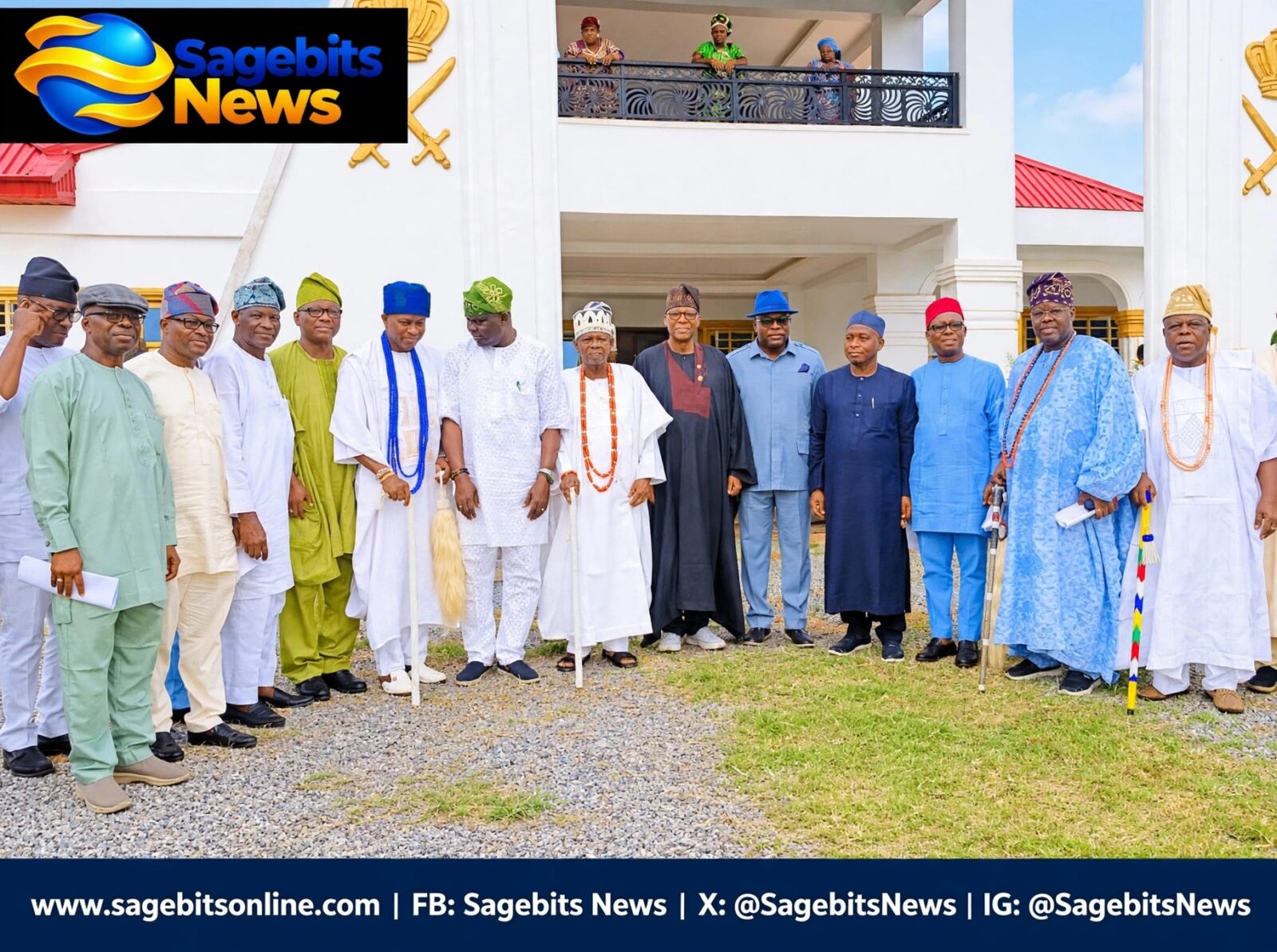
The development was disclosed by the Oloko of Ijebu Imusin, Oba Stephen Adedeji Onafowokan, during an oversight visit by the Senate Committee on Ethics, Privileges and Public Petitions to the two communities on Monday, November 23, 2026.
The visit followed a petition by Senator Otunba Gbenga Daniel, representing Ogun East Senatorial District, seeking the intervention of the National Assembly in the dispute, which dates back to the 1977 acquisition of land for the Nigerian Army Sappers Barracks at Ilese-Ijebu.
Although the reported approval represents a significant development in the prolonged disagreement, the final boundaries, conditions of release and formal documentation of the proposed excision are yet to be concluded.
Speaking during the visit, Daniel said he had brought the matter before the Senate because the concerns of the affected communities could no longer be overlooked.
He disclosed that Senate President Godswill Akpabio authorised the Senate Committee’s intervention following his presentation of the matter, leading to the committee’s involvement in efforts to resolve the dispute.
Daniel also revealed that he had held several meetings with the Chief of Army Staff ahead of the Senate hearing on April 23, 2026. According to him, the engagements contributed to a gradual shift in the Army’s position and opened the way for discussions towards a compromise.
In his welcome address, Oba Onafowokan traced the dispute to the 1977 acquisition, alleging that the exercise affected the ancestral lands of Apunren-Ijebu and Ijebu Imusin without adequate consultation with the communities.
The monarch said the communities had rejected monetary compensation, insisting instead on the return of land they regarded as part of their ancestral heritage.
He also recalled that an Army panel established in 1991 under the late Major General T.B. Ogundeko reportedly recommended that between 70 and 75 per cent of the acquired land be returned to the communities, having determined that the military required only about 25 to 30 per cent for its operations.
According to the monarch, the recommendation was never implemented, leaving the communities to contend with the consequences of the acquisition for decades.
The reported 45–50 per cent proposal is therefore being viewed as a possible breakthrough after years of unsuccessful efforts to resolve the disagreement.
Providing further insight into the negotiations, the Jagunmolu of Ijebu Imusin, retired Major General Otunba Samson Adewunmi Odunsi, who chairs the joint De-acquisition Committee, said the communities approached discussions with the Army with an open mind and a willingness to compromise.
Odunsi, who said he had been involved in the struggle from its early years, explained that the committee understood that neither side could secure everything it wanted.
He said the proposed 45 per cent release could increase following further consideration of some areas, including open spaces which, according to him, were not fully captured in the initial assessment.
Reflecting on the impact of the prolonged dispute, the retired general said the communities had been unable to undertake meaningful development on the affected land for about 50 years.
“We are like people in refugee in our own land,” he said, describing how the restrictions had prevented residents from building houses, establishing industries and pursuing other development initiatives on the disputed territory.
Odunsi described the 50-year period as a jubilee moment that should usher in renewed hope for the communities. He also expressed appreciation to President Bola Tinubu for what he described as his administration’s sensitivity to the matter.
The retired general, however, made it clear that the communities were not seeking the withdrawal of the Nigerian Army from the area.
“There was a place they asked if we still want the Army around. I said we still want the Army. We want the Army for security, for economy, for everything. We want them, we want each other,” he said.
His position reflects the communities’ desire for a resolution that recognises their land claims while allowing the military to maintain its presence and carry out its security responsibilities.
Chairman of the Senate Committee, Senator Neda Imasuen, attributed the progress recorded to Daniel’s persistence in pursuing the matter and described the intervention as a fitting 50th-anniversary gift to the affected communities.
Imasuen expressed concern that even the palace of the Alapunren was reportedly included in the land claimed by the Army. He urged Apunren-Ijebu and Ijebu Imusin to remain united and avoid disagreements that could complicate the process of resolving the dispute.
The committee chairman indicated that the Senate would be presented with a report of the visit and the issues raised by the communities and the military, paving the way for further consideration of the matter.
The proposed excision will still require the resolution of outstanding issues, particularly the precise boundaries and acreage to be released, the applicable conditions and the completion of the necessary legal and administrative documentation.
For Apunren-Ijebu and Ijebu Imusin, the reported Army approval offers renewed hope of reclaiming a substantial part of the land they have contested for nearly five decades.
Beyond the proposed land release, the communities are seeking a lasting arrangement that will enable them to pursue development, protect their ancestral interests and maintain a constructive relationship with the Nigerian Army.
Also present were the Vice Chairman , Senate Committee on Ethics, Privileges and Public petitions , Senator Ibrahim Khalid, Prince Foluso Badejo Irede, Chairman of Ijebu North East LGA, Oba Jimson Owode Oyelaja, Alapunren of Apunren-Ijebu*, representatives of the Chief of Army Staff led by *Maj. Gen. Audu and Nigerian Army Properties Ltd*, and other traditional rulers of Ijebu Imusin.






Leave a comment