


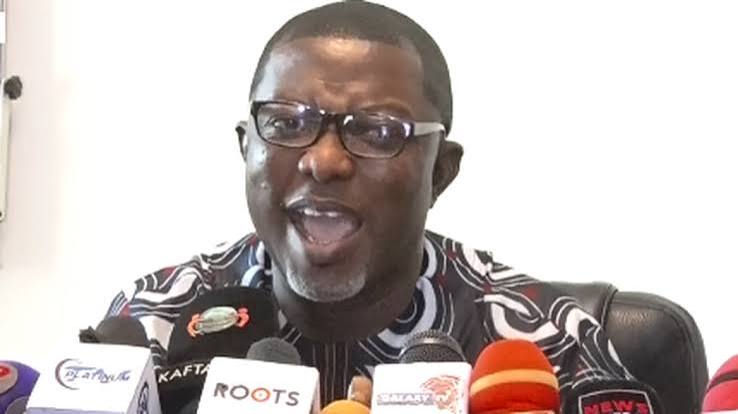
Nigeria must increase domestic production and refining capacity if it wants to achieve sustainable reductions in petrol prices, Labour Party chieftain, Dr Abayomi Arabambi, has said.
Arabambi made the submission on Thursday, October 8, 2026, while speaking on a radio programme where he examined the removal of petrol subsidy, crude oil management, local refining and the economic consequences of rising fuel costs.
He acknowledged that the removal of the petrol subsidy had imposed significant hardship on Nigerians but argued that the long-term solution should not be a return to the former system. Rather, he said Nigeria should concentrate on increasing supply, expanding domestic refining and attracting more investment into the petroleum and manufacturing sectors.
According to him, the basic economic principle is that increased supply should eventually put downward pressure on prices, provided the market is properly managed.
“That is what this President is trying to do. Let us encourage more investors to come and show, so that when you can produce more,” Arabambi said.
He argued that Nigeria’s dependence on imported petrol had exposed the economy to additional costs and made consumers vulnerable to fluctuations in international crude prices, exchange rates and other factors affecting petroleum imports.
Arabambi said the emergence of the Dangote Refinery represented an important development in the country’s efforts to increase domestic refining capacity. He maintained that government should encourage major investments capable of producing petroleum products locally rather than relying heavily on imports.
He also questioned aspects of the previous subsidy regime, describing it as an “organised fraud” and alleging that the system created opportunities for some individuals and companies to make questionable claims against government.
According to him, the debate should therefore not simply be about whether subsidy should exist, but about what Nigerians were actually paying for under the former arrangement and how the cost of imported petroleum products was determined.
Arabambi also raised questions about the management of Nigeria’s crude oil, particularly crude exported for refining outside the country.
He argued that crude oil produces several petroleum products and called for greater transparency in accounting for products such as petrol, diesel, kerosene, cooking gas and bitumen derived from Nigerian crude.
“I have expected the President to institute a panel of inquiry — every person, every company that is picking our crude abroad, where is the kerosene? Where are the other components? The asphalt, the petroleum, the diesel… Where are they?” he said.
The Labour Party chieftain argued that Nigeria should have arrangements that properly reconcile the value of crude supplied for processing with the petroleum products returned to the country.
He also alleged that crude had been committed in advance to settle obligations connected with petroleum imports, calling for greater scrutiny of such arrangements.
On the immediate effect of subsidy removal, Arabambi said Nigerians should expect the actual cost of petroleum products to be reflected in the market, but maintained that the situation could improve if domestic refining and supply increased.
“Nigerians should not forget, when that is done, the actual cost will now come into being, which you know will now come high. But when we are now able to stabilise the economy, we have more refineries… when we have supply, what will happen? The cost will come down,” he said.
He therefore urged the government to focus on creating an environment that would attract more investors into refining, manufacturing and other productive sectors.
Arabambi said industrialisation was also essential to addressing unemployment and reducing dependence on palliatives, arguing that the expansion of manufacturing would create more sustainable employment opportunities.
“When you have influx of manufacturing companies, that is when employment will be made available. You cannot sit at home and be expecting palliative,” he said.
He also credited former President Muhammadu Buhari with recognising problems associated with the subsidy system, while acknowledging President Bola Ahmed Tinubu’s decision to remove the subsidy.
However, Arabambi said the success of the policy should ultimately be measured by what follows the removal, particularly whether Nigeria can build enough refining capacity, attract investment and increase domestic production to reduce pressure on consumers.
His comments come amid renewed national debate over petrol prices and the future of subsidy policy, with different political actors proposing various measures to make petroleum products more affordable.
For Arabambi, the sustainable answer lies less in permanent government intervention and more in expanding Nigeria’s productive capacity.
He maintained that a combination of local refining, increased supply, industrialisation and greater transparency in crude management could provide a more sustainable path towards lower fuel costs and a stronger Nigerian economy.






Leave a comment