



The President of the National Association of Nigerian Students (NANS), Comrade Akinteye Babatunde Afeez, has declared that the future of Nigeria’s oil and gas industry will be determined not only by government policies and corporate investments but by the quality of knowledge, innovation, and leadership emerging from Nigerian classrooms.
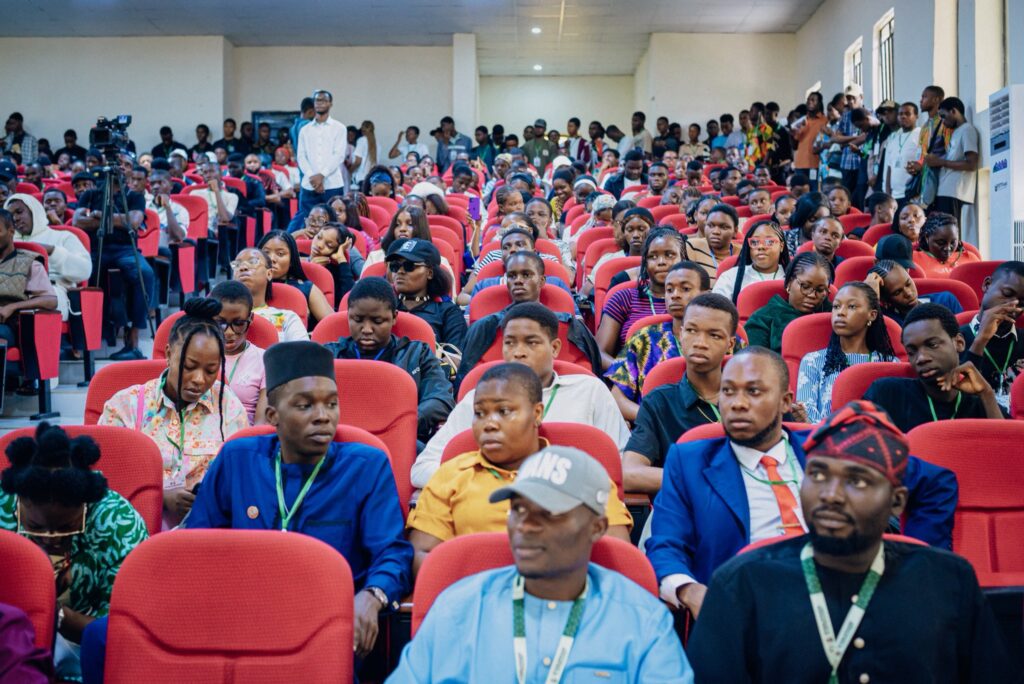
Akinteye made the declaration while addressing participants at the NANS Students Summit held at Rivers State University, Port Harcourt, where students, academics, industry experts, and stakeholders gathered to discuss the future of Nigeria’s energy sector.
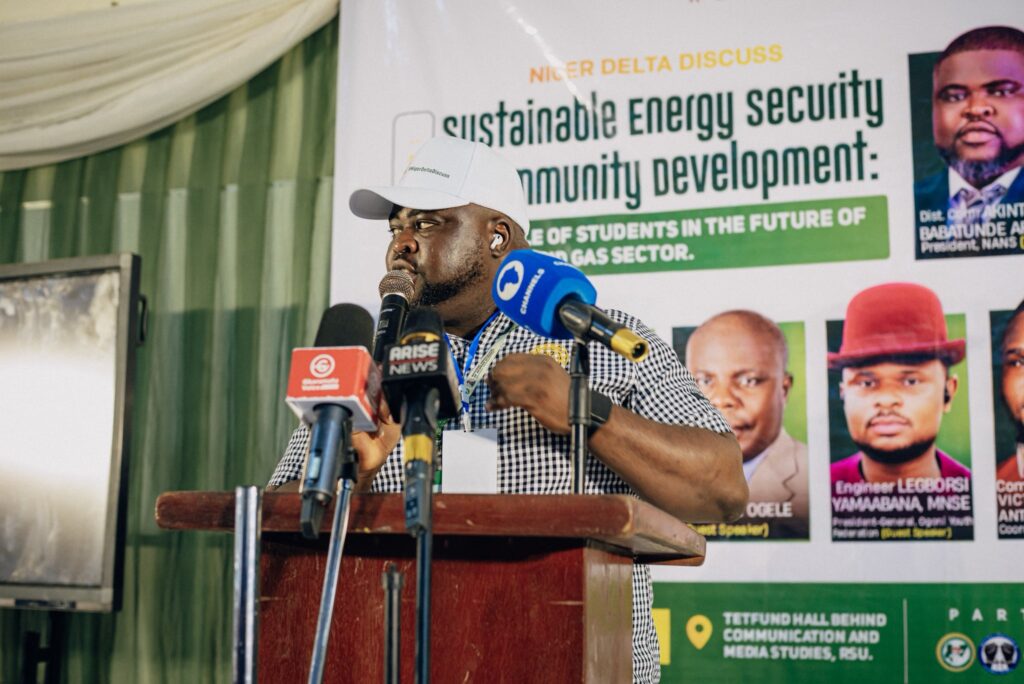
The summit, organised by the NANS National Director of Special Duties, Comrade Levi Sam Okuru, was themed “Sustainable Energy Security and Community Development: The Role of Students in the Future of the Oil and Gas Sector.”

Addressing the gathering, the NANS President described the oil and gas industry as one of the most strategic pillars of Nigeria’s economy, stressing that the sector’s sustainability and competitiveness would depend largely on the capacity of today’s students to develop the knowledge and solutions required to navigate emerging challenges.
According to him, the next generation of engineers, scientists, environmental experts, legal practitioners, economists, policymakers, and entrepreneurs are currently being trained in Nigerian institutions and will ultimately determine the future direction of the industry.
“The future of Nigeria’s oil and gas industry is not written in government policies alone. It is written in our classrooms, laboratories, research centres, and in the innovative ideas of Nigerian students,” he said.
Akinteye noted that as the global energy landscape continues to evolve, Nigerian students must position themselves as active contributors rather than passive observers of change.
He challenged students across the country to embrace excellence in disciplines critical to the growth of the energy industry, including engineering, technology, environmental science, law, economics, and management.
The student leader also urged young Nigerians to become solution providers by developing practical innovations capable of addressing some of the sector’s longstanding challenges, including crude oil theft, pipeline vandalism, environmental degradation, gas flaring, operational inefficiencies, and community development concerns.

According to him, sustainable growth in the oil and gas industry will require a new generation of professionals equipped with both technical competence and a strong commitment to national development.
Speaking on governance and accountability, Akinteye stressed that Nigeria’s vast natural resources must be managed transparently and responsibly to ensure that citizens derive maximum benefits from the country’s energy wealth.
He argued that future industry leaders must embrace integrity and accountability as essential principles for achieving sustainable economic growth and social development.
The NANS President also addressed the global transition toward cleaner and renewable energy sources, describing the shift as an opportunity for Nigerian youths to expand their knowledge and explore emerging sectors within the energy value chain.
Rather than viewing renewable energy as a threat to conventional oil and gas operations, he encouraged students to see it as a complementary area capable of creating new jobs, attracting investments, and driving technological innovation.
He further called for stronger partnerships between educational institutions and industry stakeholders through expanded internship opportunities, industrial training programmes, scholarships, research grants, mentorship schemes, and innovation hubs.
Such collaborations, he noted, would help bridge the gap between classroom learning and industry realities while preparing students for leadership roles in the future energy economy.
Akinteye also appealed to government agencies, private sector operators, and development partners to increase investments in education, research, and youth development, arguing that the future prosperity of Nigeria’s oil and gas industry depends largely on the country’s ability to nurture and empower its young talents.
He maintained that deliberate investments in human capital would not only strengthen the energy sector but also position Nigeria to compete effectively in an increasingly knowledge-driven global economy.
The NANS President concluded by urging students to embrace discipline, patriotism, innovation, and lifelong learning, describing these values as critical tools for building a technologically advanced, environmentally responsible, and economically prosperous Nigeria.
For participants at the summit, the message was clear: the future of Nigeria’s energy industry will not be shaped solely in boardrooms or government offices, but in lecture halls, laboratories, research centres, and innovation hubs where the next generation of industry leaders is being prepared.










Leave a comment