


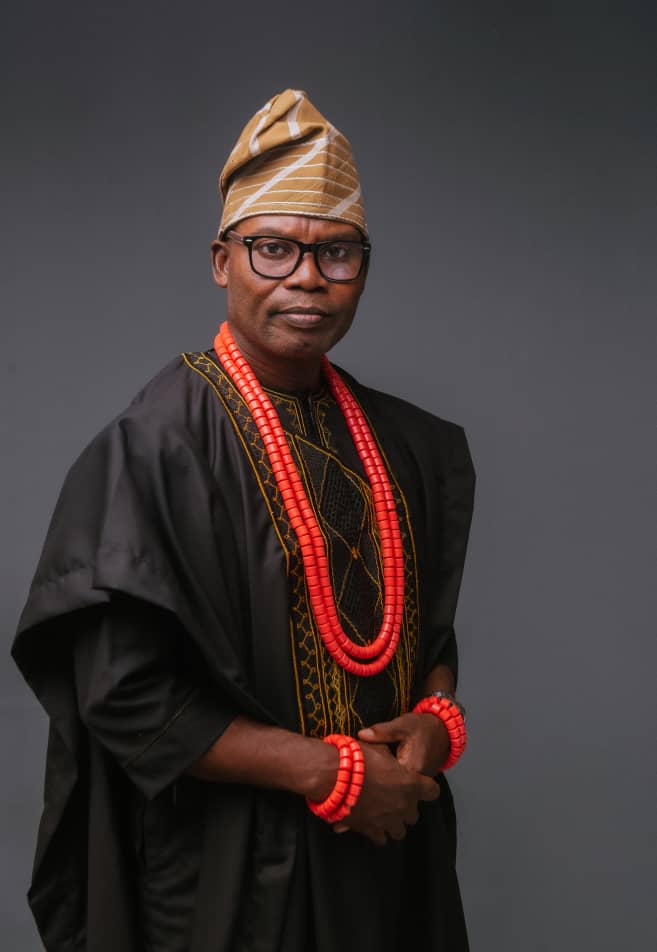
A prince of Ijebuland, Adekunle Adenuga, has reaffirmed that the selection of a new Awujale of Ijebu Ode rests with the traditional kingmakers, not the state government, amid continued delays in the succession process.
Speaking during a public affairs programme on a broadcast platform, Adenuga clarified that while the Ogun State Government, under Dapo Abiodun, plays an advisory and confirmatory role, it does not have the authority to impose a monarch.
According to him, the current stalemate stems from legal and procedural issues rather than political interference.
He explained that the process was halted by the government in December following the submission of nominations by ruling houses, citing petitions and complaints over alleged irregularities.
He noted that more than 90 candidates were nominated—an unusually high number—reflecting the complexity of eligibility under the existing declaration guiding the selection of the Awujale.
The declaration, he said, outlines criteria based on ruling house lineage, including provisions for male and, in limited cases, female lines, as well as qualified descendants.
Adenuga maintained that the kingmakers remain central to the process, with the legal framework granting them the responsibility to select a candidate within a stipulated period, after which the governor may either approve or reject the nomination.
He dismissed claims that his family triggered the suspension, clarifying that while concerns were raised prior to nominations to ensure compliance with eligibility rules, no petition was filed by his lineage after the process began.
He attributed the government’s action to subsequent petitions submitted by other stakeholders.
The prince called for patience, expressing confidence that the government’s intervention was intended to prevent litigation and ensure due process.

He added that ongoing consultations and assessments are likely to lead to the eventual resumption of the selection process.
Addressing concerns about possible government interference, Adenuga insisted that all actions so far have been within the confines of the law, emphasizing that the structured process is designed to protect transparency and fairness.
He also acknowledged tensions within ruling families but noted that the process has, in some ways, strengthened internal unity, with plans for broader consultations among stakeholders.
On the possibility of legal action, Adenuga said any aggrieved party retains the constitutional right to seek redress in court, describing it as part of the established framework guiding chieftaincy matters.
Despite the prolonged delay, he expressed optimism that a resolution would soon be reached, urging stakeholders and the public to remain calm as the process unfolds in line with tradition and the law.









Leave a comment