



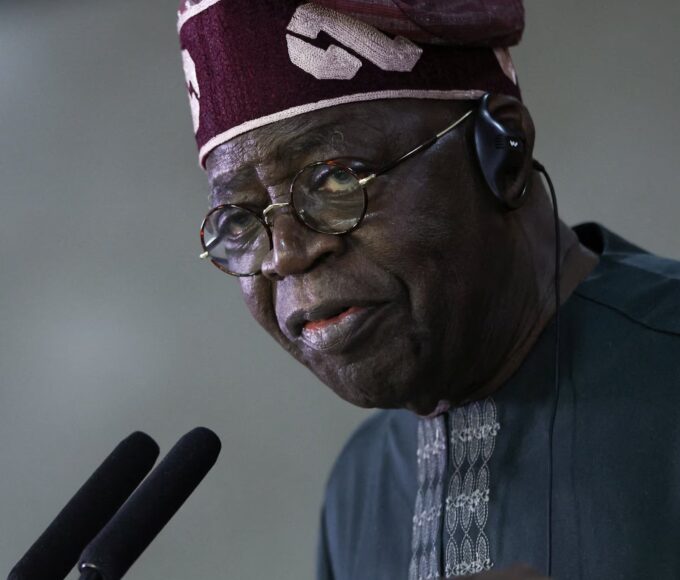
President Bola Ahmed Tinubu on Tuesday, February 2, 2026, signed the Electricity Act (Amendment) Bill 2025 into law, marking a major shift in Nigeria’s power sector governance.
The new law officially removes electricity from the Exclusive Legislative List, granting all 36 states the constitutional authority to generate, transmit, distribute, and regulate electricity within their territories.
The amendment deepens the reforms initiated under the 2023 Electricity Act and is designed to decentralize the sector, encourage local investment, and improve electricity access across the country.
With the new framework, state governments can now develop their own power policies, issue licenses to private investors, and establish independent electricity markets tailored to their local needs.

A notable provision of the law mandates power generating companies (GENCOs) to allocate five per cent of their actual annual operating expenditures to the development of host communities, ensuring that areas hosting power infrastructure benefit directly from operations.
The legislation also promotes Nigeria’s energy transition goals by providing incentives for renewable energy development, reducing dependence on fossil fuels, and encouraging diversification of the national energy mix.
In , the amendment shifts greater accountability for power supply challenges to state governments, reducing over-reliance on the Federal Government for resolving local electricity issues.
Observers say the law is expected to stimulate competition, accelerate infrastructure development, and drive more responsive electricity governance at the sub-national level.









Leave a comment